Russia Extends Euro-3 Fuel Standards Until 2026 Amid Energy Sector Disruptions
The Russian government permits continued use of outdated Euro-3 gasoline and diesel to stabilize the domestic fuel market, impacting refining and energy startups.
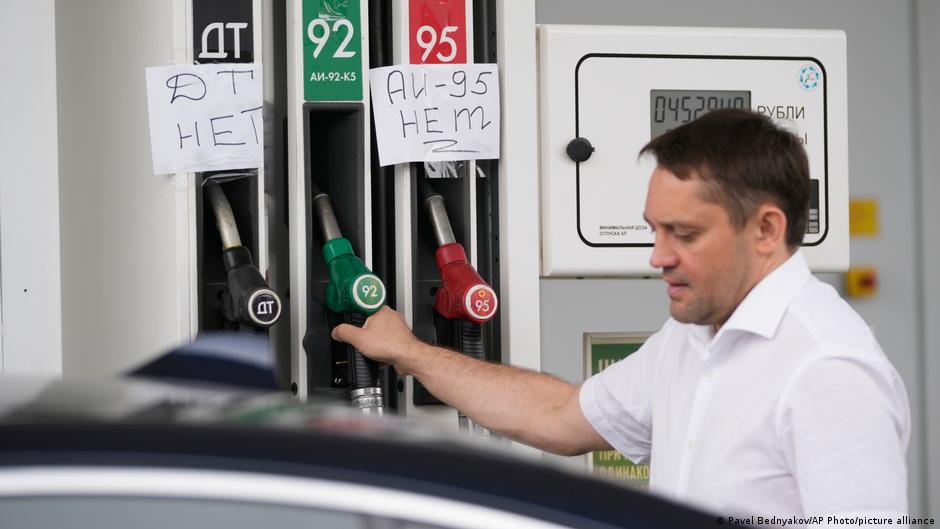
The Russian government has authorized the circulation of gasoline and diesel fuel meeting the outdated Euro-3 environmental standard until the end of 2026. This move responds to ongoing instability in the domestic energy market triggered by disruptions to refining infrastructure. However, the lower-spec fuel will not be allowed for export to other Eurasian Economic Union (EAEU) countries.
The Euro-3 standard, which was in effect in Europe between 2000 and 2005, permits significantly higher sulfur levels in fuel: up to 150 mg/kg in gasoline and 350 mg/kg in diesel. In contrast, the more recent Euro-5 standard limits sulfur to just 10 mg/kg, making the Russian extension a notable regression in environmental terms.
Impact on the Energy and Tech Startup Ecosystem
This regulatory rollback enables certain Russian oil refineries to continue producing fuel without costly upgrades required for higher environmental standards, alleviating pressure on the energy sector amid infrastructure challenges. According to the Ministry of Energy, the decision forms part of "preventive measures to avoid destabilization of the domestic fuel market." The policy excludes marking this fuel with the unified circulation mark valid within the EAEU, and restricts it to the Russian internal market.
Experts highlight that this approach allows for the utilization of crude oil without deep processing and leverages refinery capacities that cannot currently produce higher grade fuel. However, safety concerns remain, especially for modern vehicles not designed for Euro-3 or lower-grade fuel. This situation underscores the emerging market gap and potential demand for innovative solutions from startups in alternative fuel technology, cleaner refining processes, and automotive adaptation technologies.
"Lowering fuel standards simplifies production but may pose safety risks to modern vehicles," noted Dmitry Prokofiev, Communications Director at consulting firm NEFT Research.
The energy sector disruptions stem from ongoing targeted strikes by Ukrainian armed forces against Russian oil refineries and related energy infrastructure. Notably, the Moscow-based Kapotnya refinery, supplying approximately 40% of the capital’s fuel, was hit twice in one week in late May and is expected to remain offline until late 2026 or early 2027.
Production data from Reuters indicates a 25% year-on-year drop in gasoline output, decreasing to 85,000 tons per day against a summer demand of 110,000 tons. Meanwhile, over 40 regions, including some territories occupied by Russia, have already imposed official fuel sales restrictions, with complaints of shortages reported from 85 administrative regions.
Fuel inventories have shrunk by several hundred thousand tons over the past three months, according to analytics agency Kpler. Russian President Vladimir Putin has publicly acknowledged the ongoing fuel shortage crisis.
Venture Capital and Innovation Opportunities
The rollback to Euro-3 standards and the broader fuel crisis present unique challenges and opportunities for the Russian tech startup ecosystem. Refining companies may seek innovative technologies to upgrade or optimize existing infrastructure cost-effectively. Startups focused on fuel additives, emissions reduction technologies, or vehicle adaptation could find new demand in the domestic market.
Moreover, the crisis could accelerate investments in alternative energy sources and sustainable fuel technologies, areas increasingly favored in global venture capital portfolios. However, geopolitical risks and regulatory uncertainty may temper foreign investment enthusiasm.
Overall, the extension of Euro-3 fuel standards reflects a pragmatic response to immediate supply constraints but also signals a temporarily stalled transition toward cleaner energy in Russia. The situation underscores the importance of innovation-driven solutions to modernize the energy sector and mitigate environmental and safety risks.