Business
Yaroslavl Refinery Halt Adds New Risk Layer for Russian Tech Startups
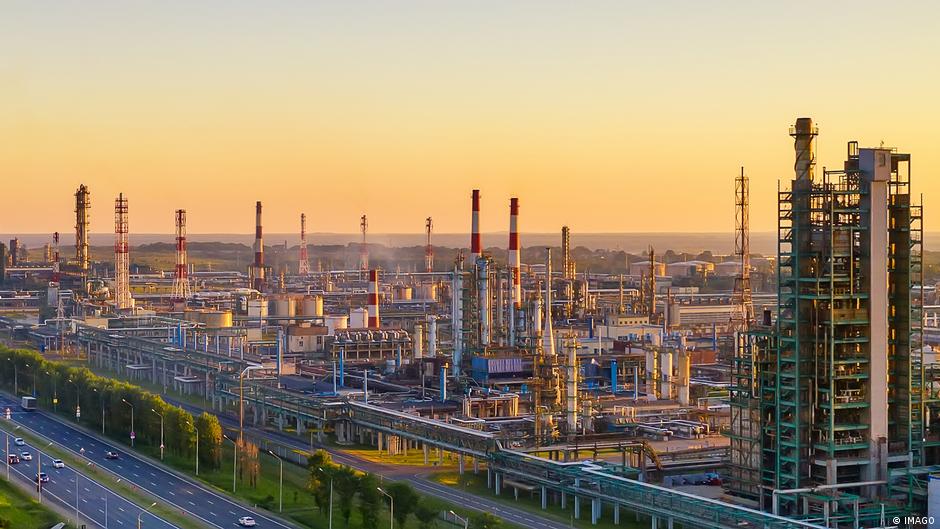
Drone damage at Yaroslavl’s YANOS refinery adds fuel-supply risk for Russian startups, logistics operators and venture investors.
Editorial Team · Sep 18, 2026
Drone damage at Yaroslavl’s YANOS refinery adds fuel-supply risk for Russian startups, logistics operators and venture investors.
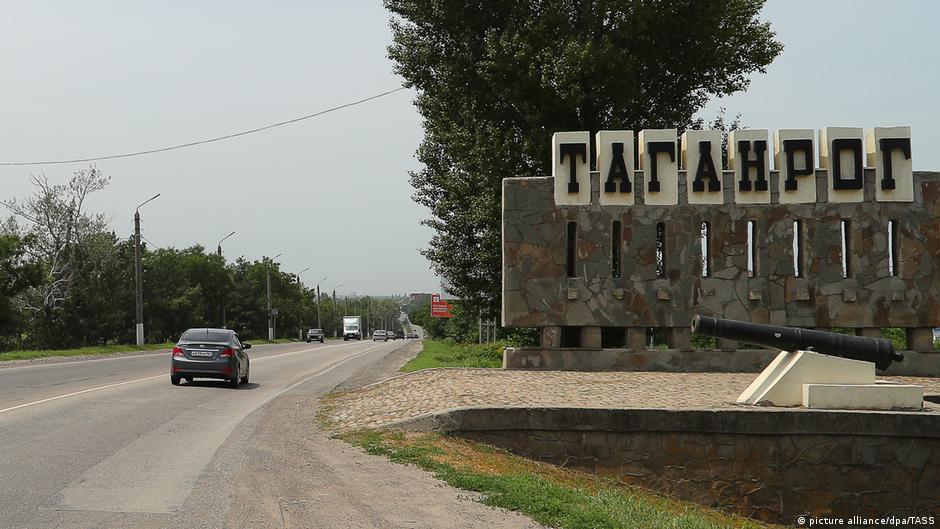
Strikes on Syzran and Taganrog damaged refinery, logistics and industrial assets, highlighting rising risk for infrastructure-linked startups.
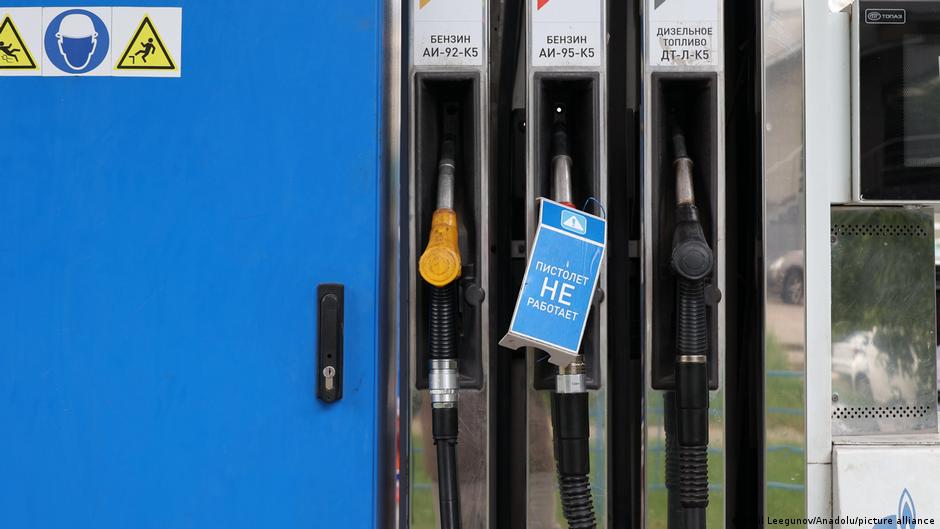
Russia extends the sale of lower-grade Euro-2 to Euro-4 fuels until 2027 to address supply disruptions caused by attacks on refineries, impacting innovation and startup opportunities in the energy tech sector.
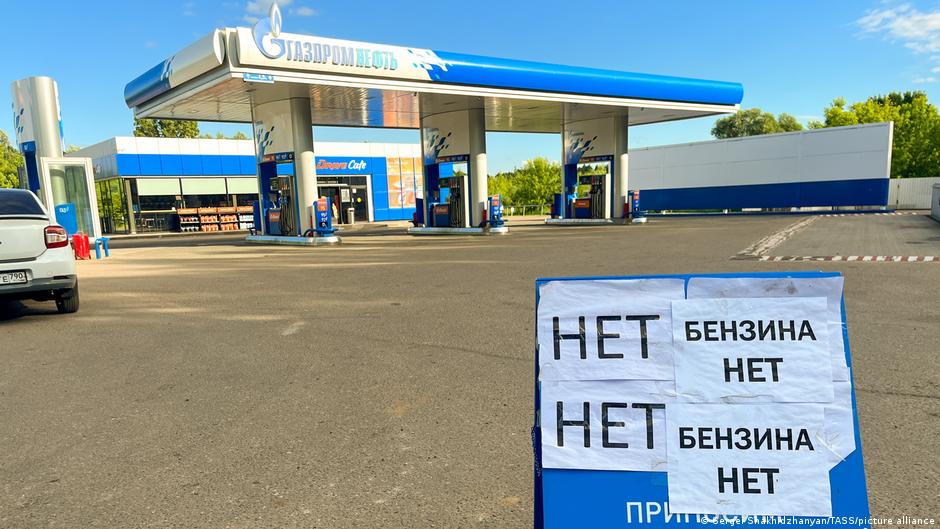
Russia's petroleum product production index fell nearly 22% in June 2026 amid Ukrainian drone strikes and geopolitical tensions, impacting fuel supply and sparking shifts in energy tech opportunities.
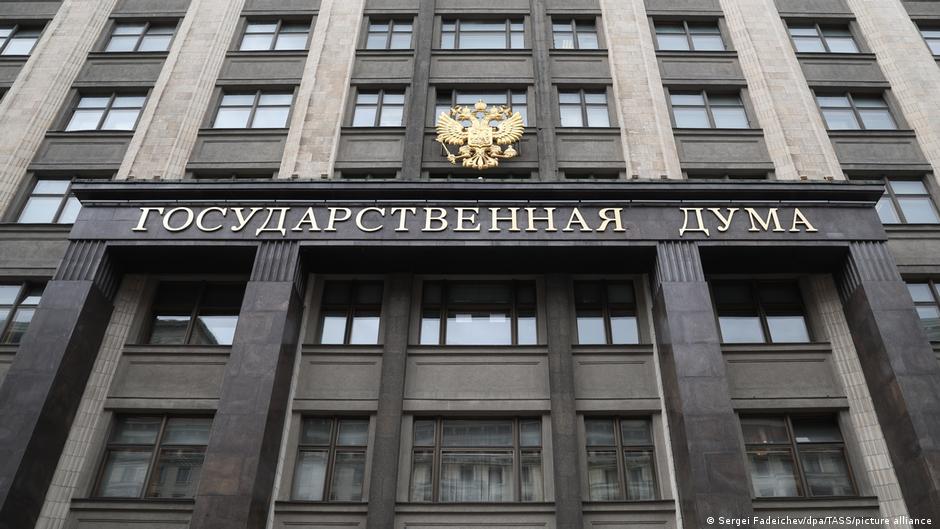
Russia revises its fuel dampener system and exchange sale rules to stabilize domestic fuel prices and support key sectors, impacting oil producers and importers.
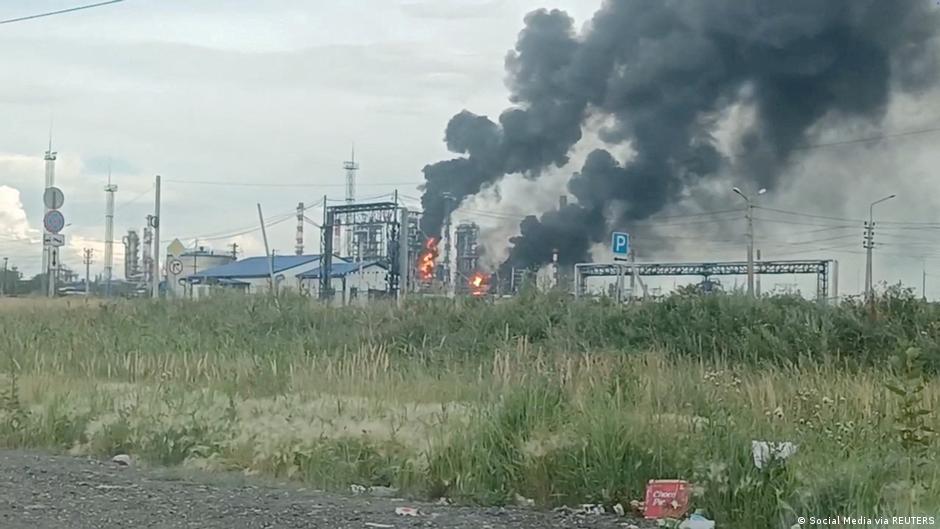
Ukrainian drone strikes have forced the Saratov oil refinery in Russia to halt operations, disrupting fuel supply and highlighting risks and opportunities for energy startups and investors.
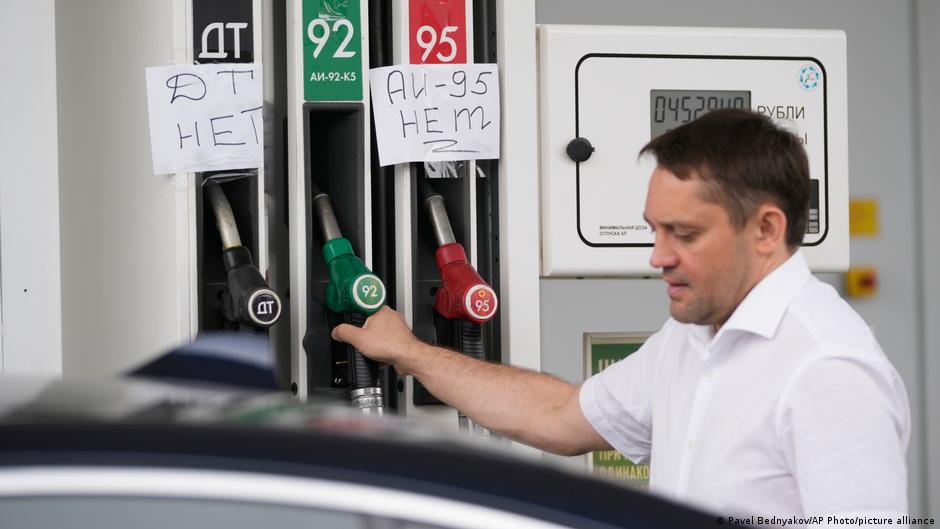
Russia permits continued circulation of Euro-3 standard fuel until 2026 amid refinery disruptions, impacting energy startups and innovation in the domestic market.
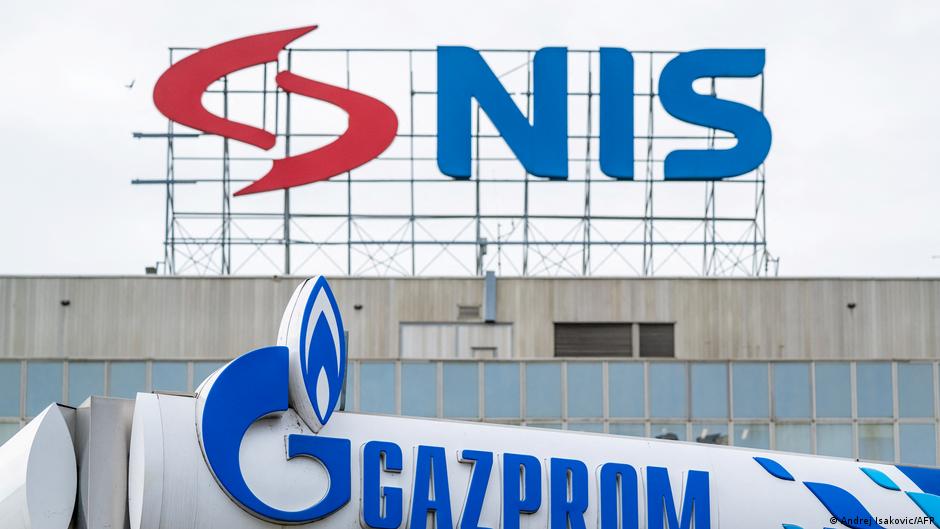
The US has extended a temporary license allowing Serbian oil company NIS to operate under sanctions as Gazprom's stake sale deadline is extended, impacting regional energy and investment dynamics.
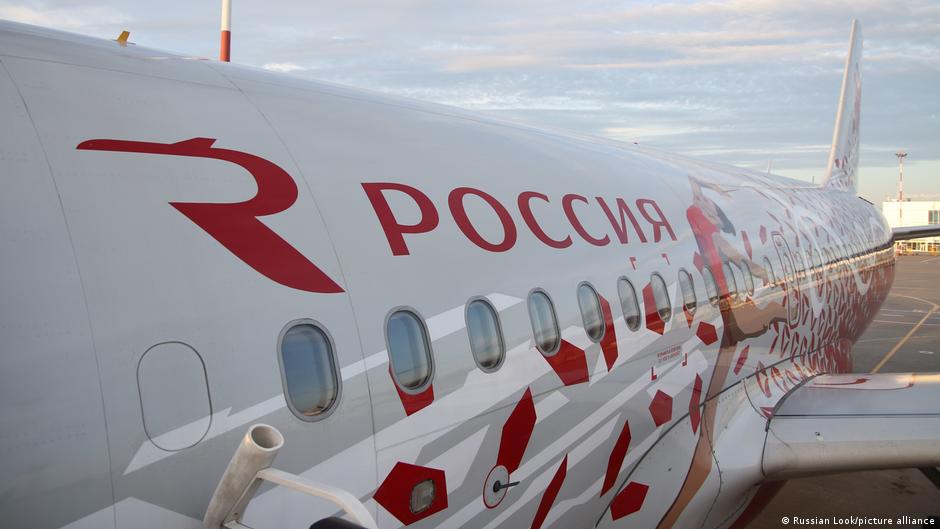
Russia has nearly quadrupled aviation fuel imports from Belarus amid domestic production issues, impacting fuel supplies and potentially affecting tech startups reliant on stable transport.
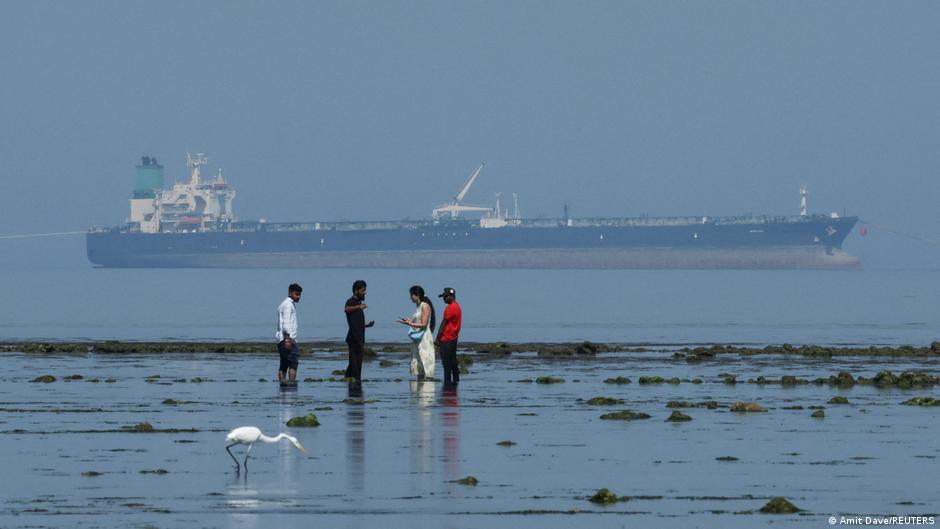
Russia’s maritime oil exports reached a 2026 peak despite US-Iran negotiations easing sanctions, intensifying competition and lowering global oil prices.
Russia restricts fuel sales across 53 regions due to drone attacks on oil infrastructure, impacting supply chains and challenging the country's tech startups and innovation landscape.

The EU delays appointing a Russia negotiator to refine its strategy and enhance sanctions, impacting the European tech startup and venture capital landscape.
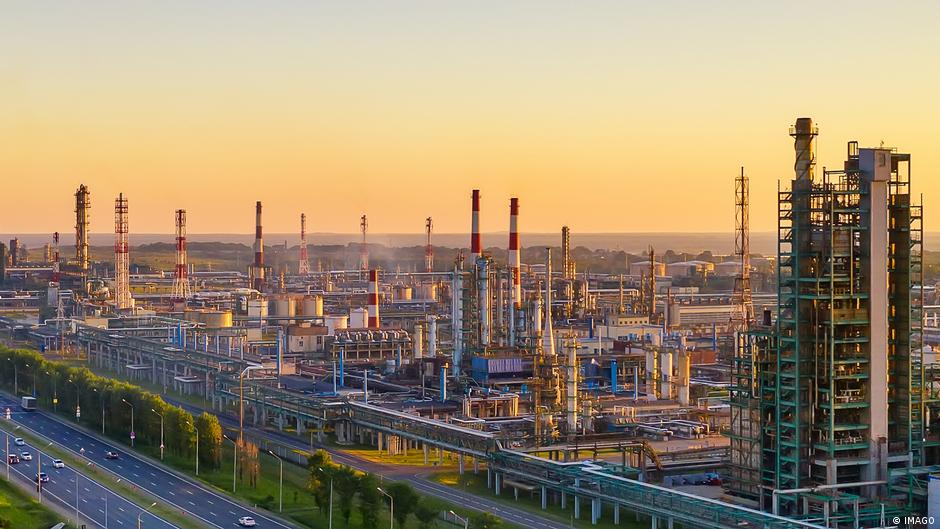
Russia plans temporary export bans on diesel and aviation kerosene to stabilize fuel supply amid refinery shutdowns caused by drone attacks, impacting energy and tech sectors.
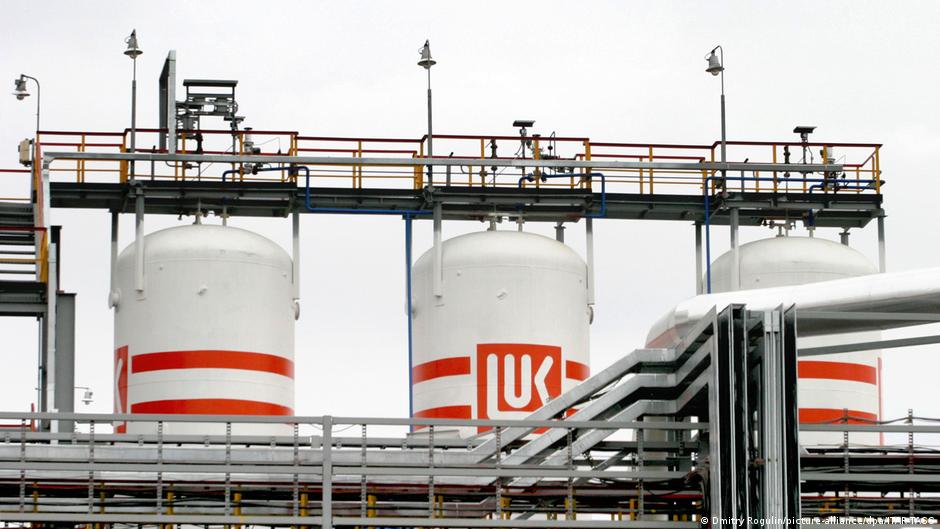
Lukoil's NORSI refinery halved output after a Ukrainian drone strike, impacting Russia’s oil refining capacity and highlighting vulnerabilities in energy infrastructure.
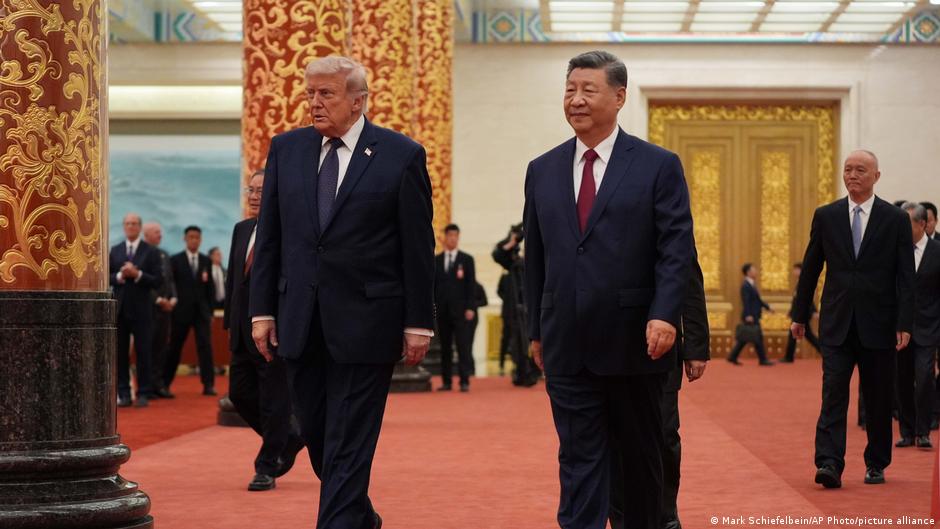
China’s renewed interest in U.S. oil and soybean imports signals shifting trade dynamics with potential impacts on energy and agri-tech startups and the venture capital landscape.