Russia Hits Peak Maritime Oil Exports in 2026 Amid Shifting Global Energy Dynamics
Russia's maritime oil exports reached a 2026 high despite US sanctions easing on Iran and intensified competition on the Indian market.
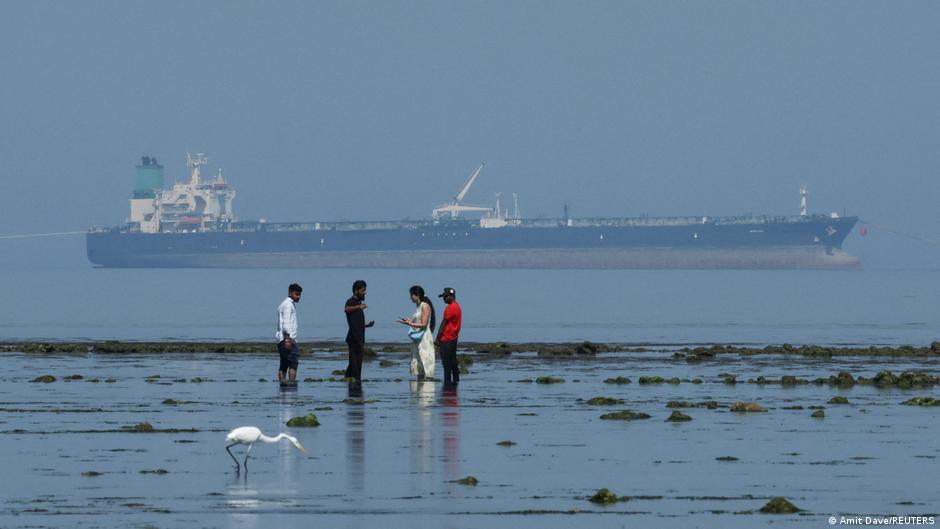
Russia's maritime oil exports surged to their highest weekly volume since the start of 2026, according to Bloomberg calculations. Between June 15 and June 21, a total of 38 tankers shipped 28.79 million barrels of Russian crude oil — averaging 4.11 million barrels per day — marking a record weekly performance for the year.
This export growth comes amid complex geopolitical shifts in the global energy market, including the temporary lifting of US sanctions on Russian oil shipments at sea, as well as renewed Iranian oil supplies entering the market following a US-Iran memorandum of understanding. These developments have intensified competition on key markets, notably India, where Moscow and Tehran vie for buyers.
Geopolitical Context and Market Implications
US sanctions on Russian seaborne oil exports were temporarily suspended until June 17 to mitigate the fuel crisis triggered by the blockade of the Strait of Hormuz amid tensions with Iran. This regulatory reprieve enabled Russia to increase its oil shipments, pushing volumes beyond annual averages recorded since the full-scale invasion of Ukraine began.
"The surge in Russian oil exports is set against a backdrop of falling global oil prices, driven by the return of Iranian crude to the market after the reopening of the Strait of Hormuz," a Bloomberg analysis explains.
However, this export uptick coincides with a notable decline in revenue for Russian crude. The reintroduction of Iranian oil into international trade has helped lower global oil prices by roughly 16%, according to market observers.
Specifically, Russian crude varieties such as Urals and ESPO have seen their prices drop by approximately 20% over the past week, as reported by Argus Media. Concurrently, ongoing attacks by Ukrainian forces on Russian refineries risk limiting Russia's domestic refining capacity, potentially forcing Moscow to export more raw crude oil, which typically commands lower prices.
Impact on Tech Startups and Venture Capital in Energy and Commodity Sectors
For venture capital investors and startups operating in energy technologies, logistics, and commodity trading platforms, these dynamics present both challenges and opportunities. The volatility in oil prices and shifting supply chains could accelerate innovation in areas such as alternative energy solutions, supply chain transparency, and risk management tools tailored to emerging market conditions.
Startups focusing on refining technologies or crude oil processing efficiency may face headwinds as Russia potentially offloads more unrefined crude. Conversely, demand for advanced analytics platforms that help traders navigate complex geopolitical risk and pricing fluctuations could see increased investor interest.
Moreover, the competitive pressure on the Indian oil market, with Russian suppliers forced to offer heavier discounts, highlights the importance of flexible, data-driven trading strategies — a niche ripe for fintech and commodity trading tech innovation.
In this evolving landscape, venture capital funds specializing in energy and commodities might pivot towards startups that offer solutions enabling producers and buyers to adapt swiftly to global supply disruptions and regulatory changes.
As the global energy ecosystem contends with these shifts, the intersection of geopolitics and technology innovation will be crucial in shaping the future of oil markets and related startup investment trajectories.