Ukraine and Serbia Presidents Meet in Belgrade, Signaling Potential Economic and Energy Cooperation
Zelensky's first visit to Serbia since the war highlights opportunities for enhanced bilateral ties and regional economic impact.
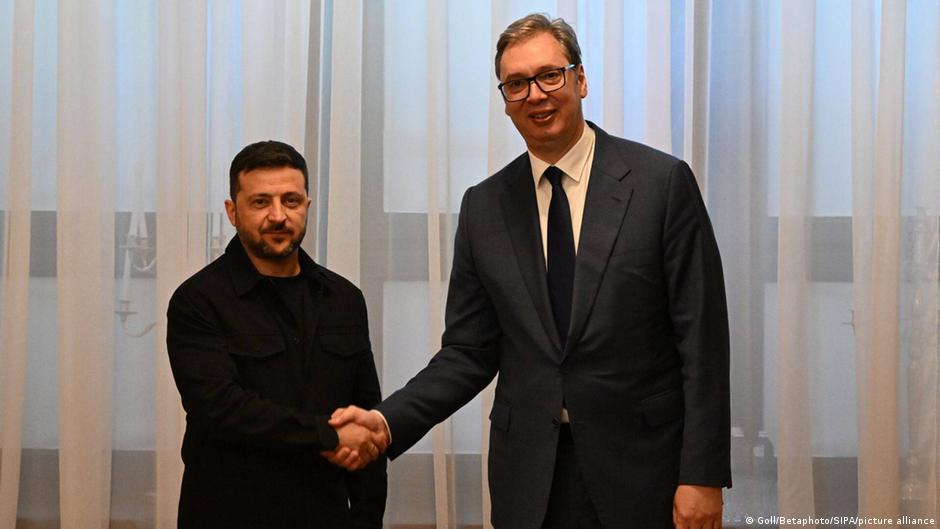
Ukrainian President Volodymyr Zelensky made his first visit to Serbia since the onset of the Ukraine war, meeting with Serbian President Aleksandar Vučić for dinner in Belgrade on August 7. This encounter sets the stage for official talks scheduled for August 8 aimed at strengthening economic and energy cooperation between the two countries.
Implications for Regional Innovation and Economic Ecosystem
The meeting between Zelensky and Vučić, followed by official negotiations, underscores a strategic effort to deepen bilateral relations amid ongoing geopolitical tensions. Discussions are expected to cover the expansion of economic ties, energy collaboration, and security issues — all critical to the stability and growth of the region's innovation ecosystem.
Serbia, known for its warm relations with Russia and reluctance to impose sanctions on Moscow, holds a unique position in European geopolitics. The country's close energy links with Russia have been a sticking point in its aspirations to join the European Union. However, this visit suggests a potential pivot towards broader economic partnerships, including with Ukraine, which could influence regional supply chains and investment flows.
For the venture capital and startup communities, these developments could signal emerging opportunities in technology and energy sectors. Enhanced cooperation may spur initiatives around energy innovation, infrastructure modernization, and digital transformation, fostering a more dynamic environment for startups and investors.
“This visit will contribute to the development of relations and cooperation in fields of mutual interest,” Serbian President Aleksandar Vučić stated on social media, highlighting the role of economic and energy collaboration.
Additionally, Zelensky’s planned discussions with Serbia’s Prime Minister Ćuro Mačut during the visit indicate a comprehensive approach to political and economic engagement. These talks could pave the way for joint projects and open new avenues for cross-border investments.
Despite Serbia’s traditionally close ties with Russia, this engagement with Ukraine may recalibrate regional alliances and present nuanced pathways for innovation-led growth. For startups and venture capitalists, monitoring these diplomatic shifts will be crucial in identifying new markets and collaboration opportunities in Southeastern Europe.
Overall, while the immediate outcomes of the visit remain to be seen, the strategic dialogue between Ukraine and Serbia signals a potential strengthening of economic frameworks that could benefit the regional technology and innovation landscapes.