Russian Missile Strike in Kyiv Region Kills Three, Including Child, Amid Rising Security Concerns
Russian forces launched a combined missile and drone attack on Kyiv and its region, causing casualties and infrastructure damage.
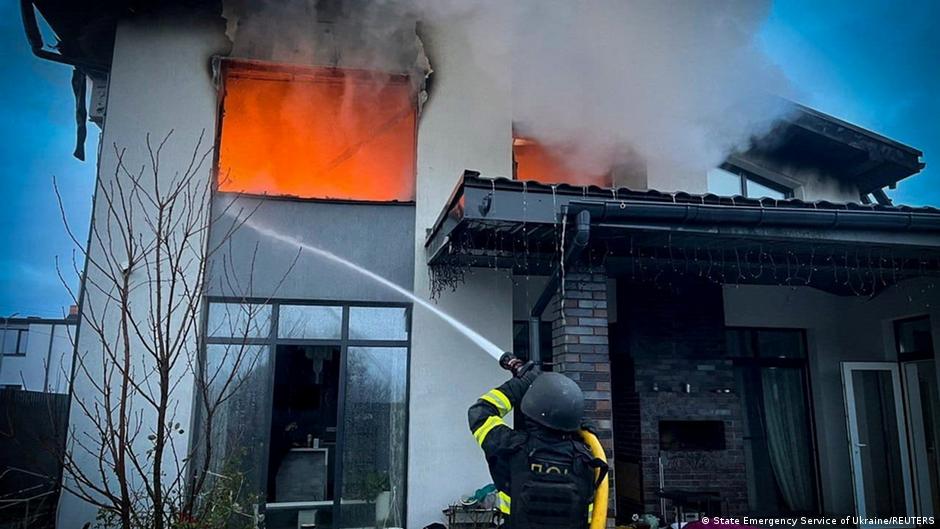
In the early hours of August 8, Russian military forces carried out a combined missile and drone strike targeting Kyiv and its surrounding region, resulting in the deaths of three people, including a child, and injuring three others. The attack also triggered multiple fires and caused damage to residential and utility buildings in the Brovary district of Kyiv Oblast.
Implications for Ukraine's Tech and Innovation Ecosystem
The continuous security threats against Kyiv, Ukraine's capital and a growing tech hub, heighten concerns about the environment for startups and venture capital (VC) investments. Kyiv has emerged as a significant center for technology startups, attracting international investors keen on the country's skilled workforce and innovative potential. However, recurrent missile strikes and infrastructure damage inevitably disrupt business operations, erode investor confidence, and threaten the stability of the innovation ecosystem.
According to the Kyiv regional military administration, three separate impact sites were identified in the Brovary district, including damage to a private residential home, agricultural buildings, and vehicles. Fires broke out on non-residential properties, some caused by falling debris from either rockets or strike drones, though precise weapon types remain unconfirmed. In Kyiv city itself, ballistic missile alerts sounded twice during the night, and four individuals were injured.
"Services are working to eliminate the consequences of the night shelling," stated officials from the Kyiv City Military Administration.
The attack also led to reported fuel container fires in the Obolon district and property damage in the Holosiivskyi district, underscoring the broad geographic impact of the strikes. Mayor Vitali Klitschko confirmed emergency response teams were dispatched to handle the incidents.
These developments pose a direct challenge to the resilience of Ukraine’s technology sector, which relies heavily on stable infrastructure, uninterrupted connectivity, and a secure environment to thrive. The damage to residential and industrial buildings not only disrupts everyday life but also affects co-working spaces and startup offices critical to early-stage ventures.
Venture capital funds and international technology companies are closely monitoring the situation, as persistent military aggression may influence investment decisions and the pace of mergers and acquisitions (M&A) in the Ukrainian market. The current climate of uncertainty forces startups to consider relocation strategies or increased cybersecurity and operational risk mitigation.
Despite these challenges, the Ukrainian tech ecosystem has demonstrated remarkable adaptability throughout the ongoing conflict, leveraging remote work models and international partnerships to maintain momentum. However, escalating attacks on Kyiv and surrounding areas risk undermining this progress and complicate long-term innovation planning.