Russia Quadruples Aviation Fuel Imports from Belarus Amid Domestic Production Challenges
Russia’s sharp rise in aviation kerosene imports from Belarus highlights supply disruptions and potential impacts on the country’s tech and transport sectors.
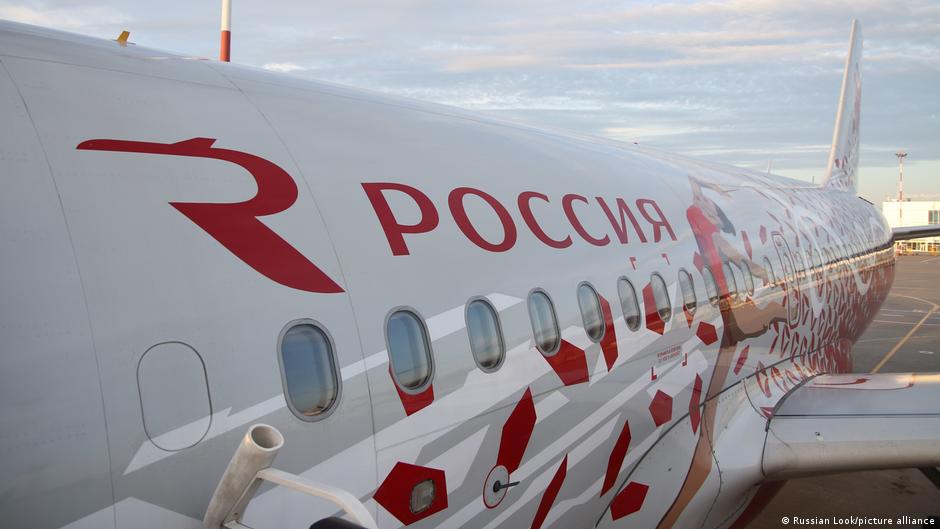
In May 2026, Russia significantly increased its imports of aviation kerosene from neighboring Belarus to 5,170 metric tons—nearly four times the volume recorded a year earlier. The upward trend continued into early June, with Russia importing an additional 2,600 tons in just the first ten days, according to industry data.
This surge in imports is attributed to a decline in domestic aviation fuel production. Official Russian figures on aviatfuel output remain undisclosed. However, estimates from the Center for Price Indices (CPI) suggest that Russia produced approximately 11.4 million tons of aviation fuel in 2025.
One notable factor behind the drop in production is the temporary shutdown of the Moscow Oil Refinery in Kapotnya after it sustained damage in mid-June from a drone attack. The refinery, responsible for producing about 1.4 million tons of aviation fuel in 2025, is expected to remain offline at least until the winter season, according to Reuters. Discussions are underway to import JET A-1 aviation fuel through Russian seaports and blend it with domestic fuel variants to mitigate shortages.
Impact on Aviation and Fuel Markets
On June 1, the Russian government imposed a historic ban on the export of aviation kerosene, effective through November 30. This decision, alongside the refining bottlenecks, has led to operational restrictions at airports, as vendors limit aircraft refueling services. Furthermore, over 30 Russian regions have introduced sales restrictions on automotive fuel amid supply interruptions.
"The surge in aviation fuel imports reflects critical supply chain disruptions that ripple through transport and technology-dependent sectors," remarked industry analysts.
Fuel shortages first emerged in annexed Crimea following Ukrainian military strikes targeting Russian logistics infrastructure. The ensuing disruptions have spread to other Russian regions amid ongoing air strikes on domestic refineries. Reuters reports a 25% year-over-year drop in gasoline production in Russia by late June. Compounding the situation, Russia has requested Kazakhstan to supply 50,000 tons of gasoline.
Implications for Russia’s Tech and Innovation Ecosystem
These developments have broader implications beyond logistics. Aviation fuel supply issues directly affect the transportation networks essential for tech startups and innovation clusters, particularly those reliant on air travel for business operations and supply chain management. Prolonged fuel shortages and regional restrictions may slow startup ecosystem activities, delay venture capital engagements requiring travel, and complicate import-export dynamics for tech hardware and components.
Moreover, the potential integration of imported JET A-1 fuel indicates a pivot toward greater reliance on external sources, which could influence the cost structure for aviation and related tech industries. Venture capital firms and startups operating in energy technology, logistics innovation, and supply chain solutions could find new opportunities in solving the challenges posed by this fuel shortage and import dependency.
Overall, Russia’s increased aviation fuel imports from Belarus underscore critical vulnerabilities in domestic fuel production infrastructure, signaling potential supply and operational challenges for technology-driven sectors dependent on stable transport and logistics networks.