Russian Airstrikes on Zaporizhzhia and Sumy Cause Civilian Casualties Amid Ongoing Conflict
Recent Russian missile attacks on Ukrainian cities Zaporizhzhia and Sumy resulted in multiple civilian deaths and infrastructure damage, impacting local communities and raising concerns for the regional innovation ecosystem.
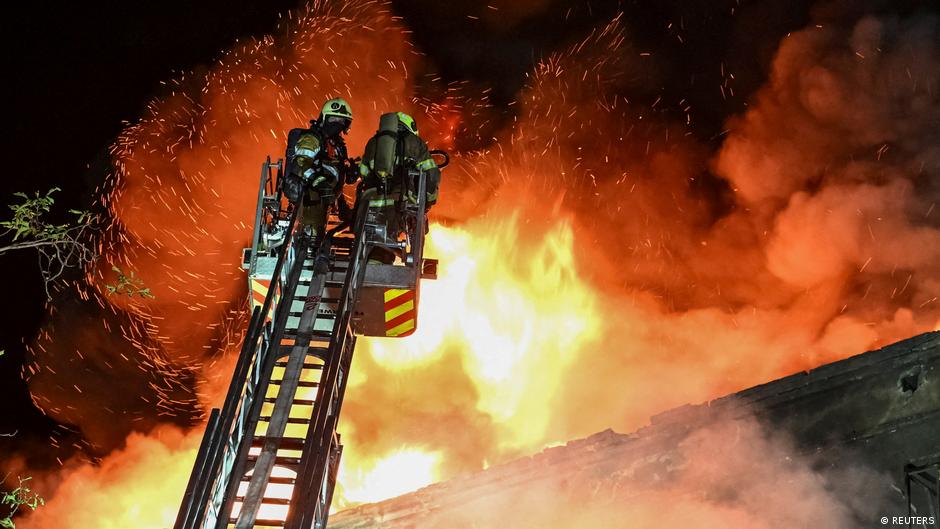
On July 19, Russian forces launched precision airstrikes using guided aerial bombs on the Ukrainian cities of Zaporizhzhia and Sumy, leading to significant civilian casualties and damage to critical infrastructure. These attacks have not only caused loss of life but also pose challenges to the stability of local communities and their developing economic and technological sectors.
Impact of Airstrikes on Urban Infrastructure and Civilians
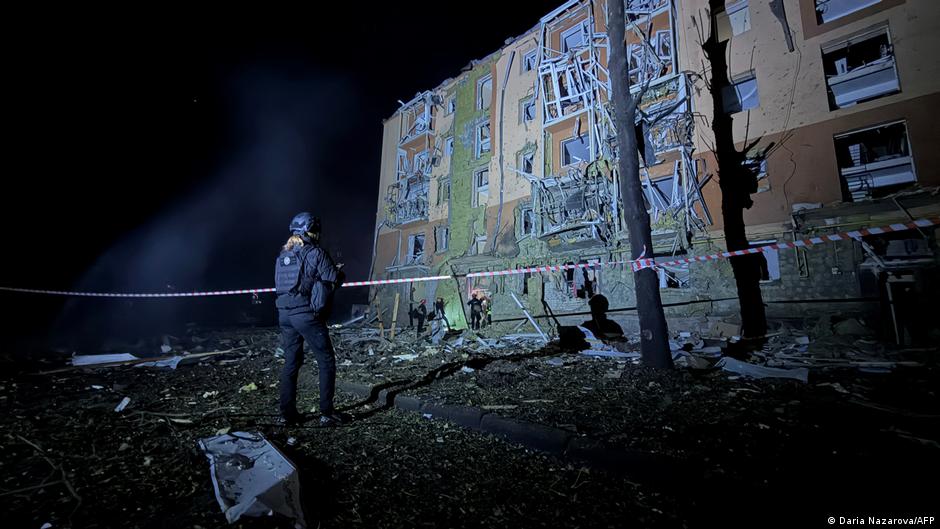
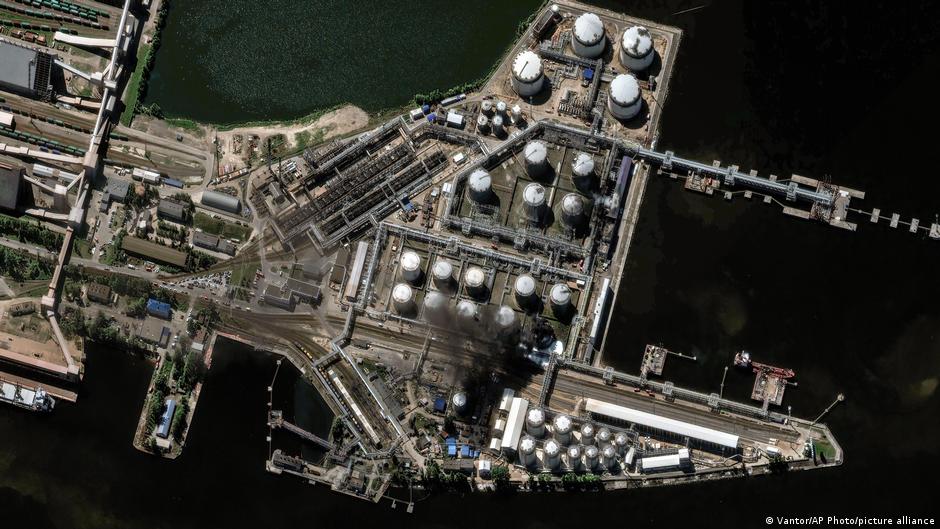
In Zaporizhzhia, the missile strikes hit residential areas, completely destroying two floors of a five-story apartment building. Additionally, windows and balconies of a nearby nine-story building suffered damage, and a logistics operator’s terminal caught fire. According to local authorities, at least two civilians were killed and over 40 others, including eight children, sustained injuries. The Ukrainian State Emergency Service confirmed the casualties and damage.
"The attacks have caused severe harm to residential buildings and logistics infrastructure, disrupting normal life and economic activity in the region," said Ivan Fedorov, head of the Zaporizhzhia Regional Military Administration.
Earlier on the same day, the city of Sumy was also targeted. Local officials reported that guided bombs struck both residential and industrial zones, resulting in the death of one person and injuries to at least three others. Damage was recorded in the Kovpakivskyi district, affecting both housing and industrial facilities.
Consequences for the Tech and Startup Ecosystem
These attacks come amid ongoing conflict that continues to threaten Ukraine’s emerging technology hubs and startup communities. Cities like Zaporizhzhia and Sumy, while not primary tech centers like Kyiv or Lviv, are part of Ukraine’s broader innovation ecosystem. Damage to logistics and residential infrastructure disrupts not only daily life but also critical supply chains and employee stability — factors essential for tech startups and venture capital investment.
Investors and entrepreneurs face increased risk and uncertainty as conflict escalates in these regions. Infrastructure damage limits connectivity and access to resources, while casualties affect the local talent pool. The destruction of logistics terminals, for example, hampers the movement of goods and services that startups rely on to scale operations. This environment complicates fundraising and mergers and acquisitions (M&A) activity, as venture capitalists seek more stable markets.
Despite the adversity, many Ukrainian startups and investors remain resilient, seeking innovative solutions such as remote work and distributed teams to mitigate risks. However, sustained violence and infrastructural damage could undermine long-term growth and the country’s ability to attract foreign investment essential for rebuilding and technological advancement.
As the conflict continues, the international venture capital community watches closely, weighing the humanitarian costs against the potential for post-conflict recovery and innovation-led growth in Ukraine’s tech sector.