Russian Defense Ministry Proposes Ending Mandatory Medical Exams for Contract Soldiers Amid Recruitment Challenges
New legal amendments aim to ease medical screening for contract and mobilized servicemen, reflecting recruitment difficulties during ongoing conflict.
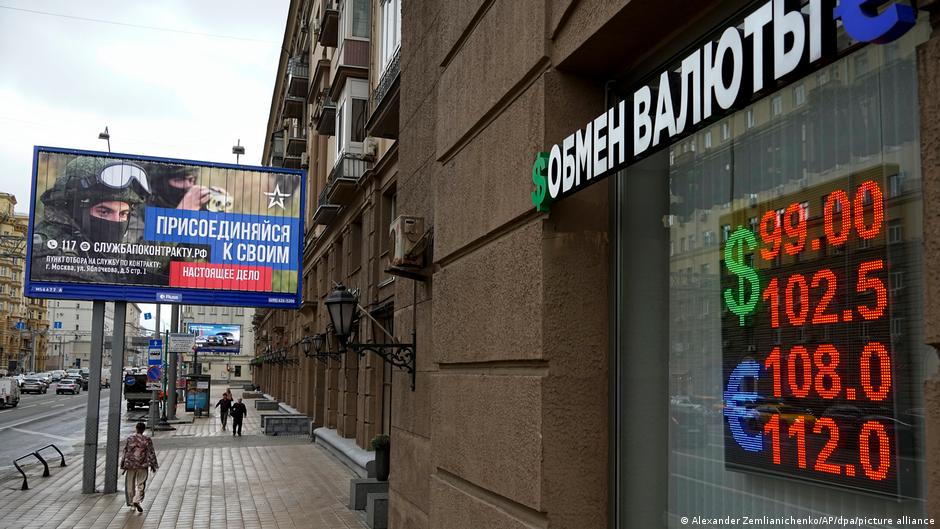
The Russian Ministry of Defense has drafted legislative amendments to abolish mandatory medical examinations for contract soldiers and mobilized personnel, except in cases of serious injuries or illnesses. This move, announced on July 3, signals growing challenges in military recruitment amid Russia's ongoing conflict with Ukraine.
Shifting Medical Screening Requirements
The proposed law, currently under public discussion and anti-corruption review, suggests that during mobilization, martial law, or wartime, compulsory medical assessments would only be required when there is evidence of wounds or medical conditions that could limit or prevent military service. The Ministry of Defense will establish the specific medical examination procedures as per the proposed changes.
Previously, all contract servicemen and mobilized individuals underwent mandatory medical evaluations to determine fitness for duty. The proposed amendments would fundamentally shift this approach, limiting medical examinations to special cases rather than as a default requirement.
“Judging by the situation, recruitment of contract soldiers is so strained that mandatory medical checks are being considered for removal,” said Grigoriy Sverdlin, head of the human rights group "Go to the Forest," which assists those seeking to avoid conscription.
Implications for Military Recruitment and the Defense Sector
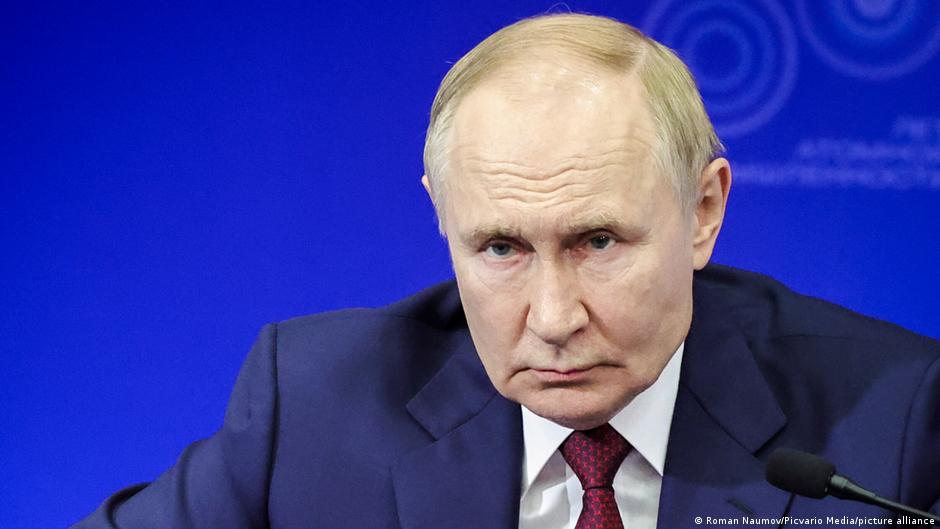
The legislative proposal highlights the mounting difficulties Russia faces in attracting contract soldiers. Over recent months, authorities have introduced various measures to boost enlistment. Notably, in late May, President Vladimir Putin signed a law forgiving debts for new contract soldiers, aimed at making military service more appealing.
Other recruitment strategies include offering positions behind the frontlines in Belarus and China and conducting raids in regions such as the Penza oblast to coerce men into signing contracts with the Ministry of Defense. Media reports have also speculated about the possibility of a new wave of mobilization.
This policy shift has significant implications for the Russian defense sector and the broader military-industrial ecosystem. Reducing health screening requirements could expedite recruitment, but may also affect the overall readiness and effectiveness of new soldiers, raising questions about long-term operational sustainability.
For tech startups and venture capital stakeholders focusing on defense technologies, such changes may influence demand for medical screening technologies, health diagnostics, and personnel management solutions tailored to military needs. Furthermore, shifts in military recruitment strategies could affect innovation priorities in Russia’s defense tech ecosystem.
As Russia continues to navigate the challenges of sustained military engagement, the proposed amendments reflect an adaptation to internal pressures that reverberate across the defense and technology landscapes.