Russian Drone Attacks on Odessa Damage Civil Infrastructure, Impact Local Economy
Multiple drone strikes on Odessa cause civilian injuries and disrupt key infrastructure, raising concerns for regional economic and startup ecosystem stability.
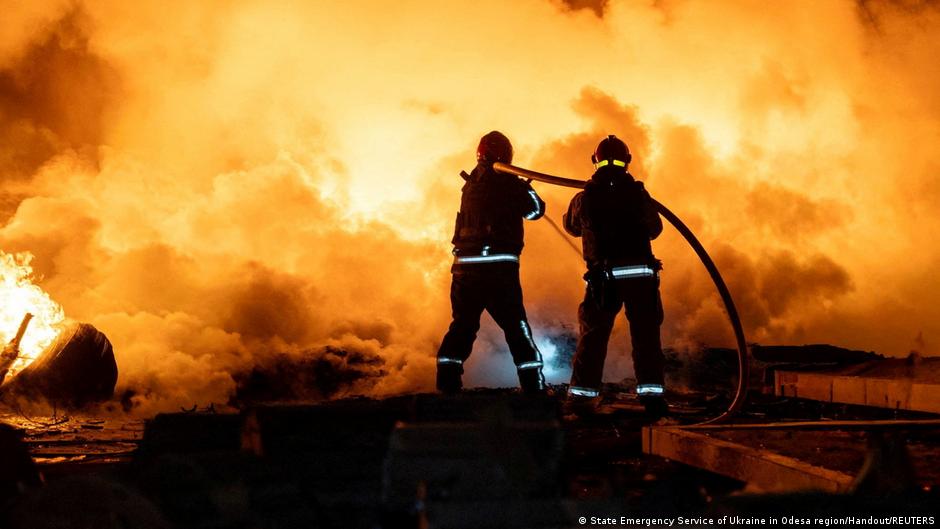
In a renewed wave of aggression, Russian forces launched mass drone attacks on the Ukrainian port city of Odessa overnight on April 27, damaging residential buildings, a hotel, and critical civil infrastructure. Ukrainian officials report that approximately 50 drones were deployed in these strikes, leaving at least 13 civilians injured.
Implications for the Innovation and Economic Ecosystem
Odessa is not only a strategic port but also a growing hub for tech startups and innovation in southern Ukraine. The repeated drone attacks have caused significant damage to logistics and port infrastructure vital for trade and supply chains supporting local businesses and startups.
Oleg Kiper, head of the Odessa Regional Military Administration, noted that the attacks caused fires and destroyed multiple civilian properties, including residential homes and warehouses. Sergei Lysak, the head of Odessa city administration, confirmed the number of affected civilians as well as the ongoing air raid alerts in the region.
"Damage to port facilities and critical infrastructure can destabilize the economic environment essential for startup growth and venture capital investment," experts warn.
The sustained damage to Odessa's infrastructure hinders the operations of both established companies and emerging startups, many of which rely on the port for exports and imports of technology components and services. The uncertainty created by these attacks could deter venture capitalists and investors from funding regional innovation initiatives.
Moreover, previous attacks have targeted ships and logistics centers, further disrupting maritime trade routes crucial for Ukraine's technology and manufacturing sectors. For instance, a commercial vessel flagged under Saint Kitts and Nevis was damaged on April 24, highlighting the persistent threat to regional maritime commerce.
Other regions in Ukraine, including the Sumy and Dnipropetrovsk oblasts, have also experienced drone and artillery attacks affecting residential and industrial infrastructure, with casualties reported. These widespread hostilities compound the challenges faced by the nascent Ukrainian tech ecosystem, as infrastructure stability and investor confidence are critical for startup scaling and mergers and acquisitions activity.
Ukrainian Vice Prime Minister Oleksiy Kuleba underscored that the port and logistics infrastructure were primary targets, emphasizing the strategic intent to disrupt economic nodes that underpin innovation and entrepreneurship.
As the conflict continues, the resilience of Ukraine's tech sector will depend heavily on restoring infrastructure and ensuring the safety and operational continuity of startups and businesses within affected regions. International venture capital communities observing these developments may need to recalibrate risk assessments accordingly.