Russian Drone Crash in Romania Highlights Risks for Regional Tech Startups and Cross-Border Security
A Russian drone crash in Romania during attacks on Ukraine underscores growing security challenges affecting innovation ecosystems in Eastern Europe.
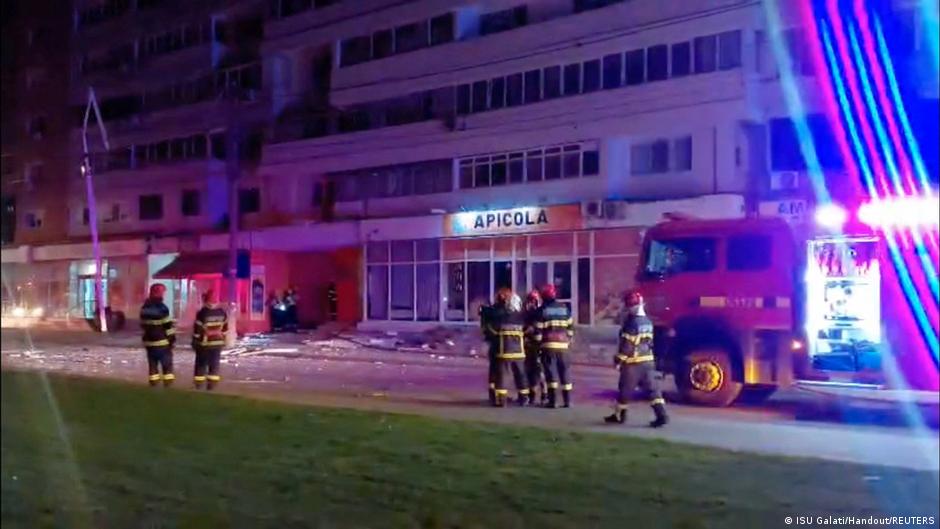
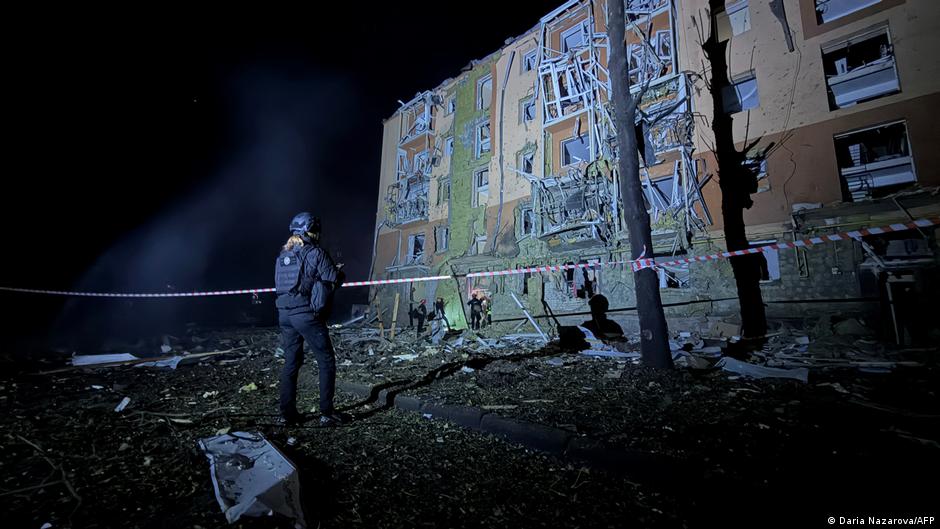
In a recent incident raising concerns about regional security and its implications on the technology and innovation landscape, a Russian unmanned aerial vehicle (UAV) crashed onto the roof of a residential building in Galați, Romania, igniting a fire and injuring two people. This event occurred on the night of May 29, amid ongoing drone attacks targeting Ukrainian infrastructure.
The Romanian Ministry of Defense confirmed that the drone was Russian-made and fully detonated upon impact, causing a fire on the 10th floor of the building. Emergency responders evacuated approximately 70 residents and extinguished the blaze promptly, providing medical assistance to the injured on-site.
Cross-Border Security Threats and Their Impact on Regional Innovation
This incident is notable not only for its immediate human and property damage but also for highlighting the broader vulnerabilities that affect the tech startup ecosystem across Eastern Europe. The proximity of Galați to the Ukrainian border and the nearby strategic port city of Izmail, which has also recently come under drone attacks, emphasizes the risk spillover from ongoing conflicts.
"The increasing frequency of drone incursions into neighboring countries brings new challenges for securing critical infrastructure and maintaining investor confidence in regional tech ecosystems," said security analyst Elena Popescu.
For technology startups, especially those engaged in defense tech, cybersecurity, and drone technologies, such developments can serve as both a catalyst and a caution. On one hand, the pressing need for advanced counter-drone systems and resilient urban infrastructure presents new market opportunities. On the other, heightened geopolitical tensions may deter venture capital (VC) investments due to perceived risks.
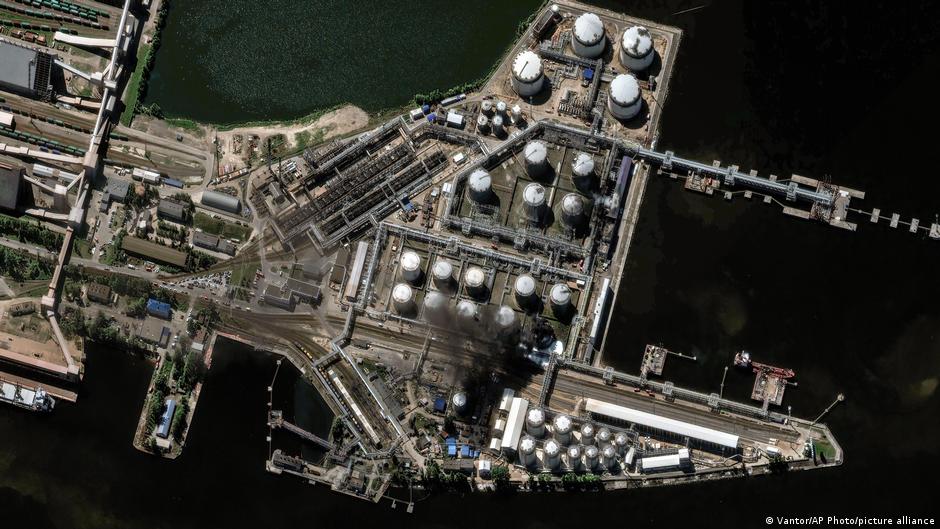
The attack on Izmail—a key Ukrainian port on the Danube River and an important logistical hub—also underscores the strategic importance of the region. Disruptions here have cascading effects on supply chains and may slow innovation diffusion, given that many startups rely on stable regional trade and cooperation.
Venture capitalists and startup incubators in Romania and neighboring countries are increasingly attentive to the evolving security landscape. While some investors may pivot towards startups offering solutions in defense technologies and crisis management, others are cautious, weighing the risks associated with operating in or near conflict zones.
In summary, the drone crash in Romania is a stark reminder that geopolitical conflicts extend beyond borders, influencing not only national security but also the technological innovation climate. The startups and investors that can navigate these complexities may find new opportunities, but the ecosystem must also prepare for the challenges ahead.