US Arms Supply Delays to Europe Amid Iran Conflict Strain Defense Partnerships
US warns European allies of significant weapon delivery delays as urgent stock replenishment amid Iran war impacts global defense and tech supply chains.
The United States has notified its European allies, including the UK, Poland, Lithuania, and Estonia, about significant delays in arms deliveries as Washington prioritizes replenishing its depleted arsenals due to ongoing conflict with Iran.
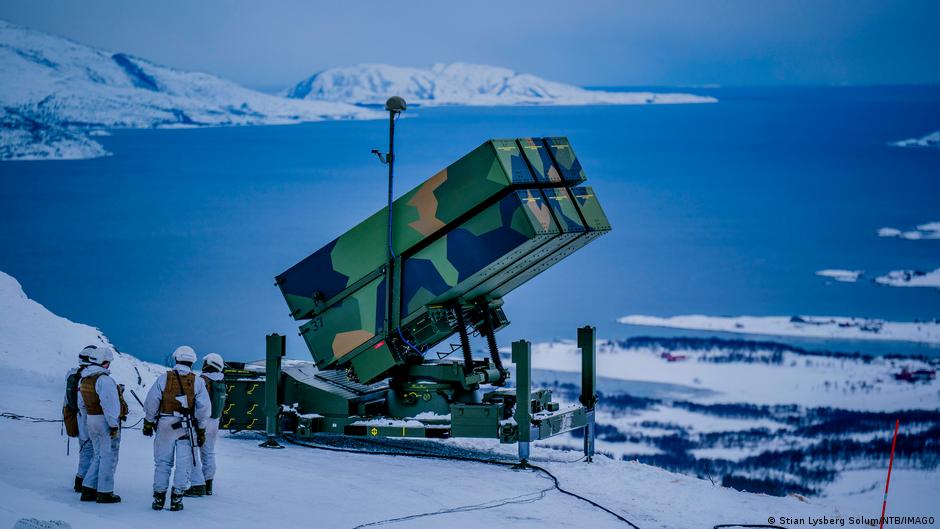
According to multiple sources cited by the Financial Times, these delays will affect ammunition shipments for key missile systems such as NASAMS and HIMARS, which are vital components of allied defense capabilities. Similar restrictions are reportedly being considered for Asian partners like Japan and South Korea.
Impact on Defense Ecosystem and Tech-Driven Startups
The US Department of Defense has stated that it is "carefully evaluating" new equipment requests amid a reshuffling of priorities to meet operational needs. This situation presents challenges not only for government defense contracts but also for the broader innovation ecosystem that supports these advanced technologies.
Many of the affected missile systems, including NASAMS and HIMARS, incorporate cutting-edge technologies developed by defense-focused startups and established contractors. Delays in procurement may ripple through venture capital funding cycles and slow down research and development efforts within the defense tech sector.
"The ongoing conflict and resulting supply chain disruptions are creating a challenging environment for defense innovation, impacting startups reliant on timely contracts and scaling opportunities," said an industry analyst.
European nations and other US partners rely heavily on these systems to modernize their military capabilities amid rising security tensions. For example, NASAMS is used by countries such as Norway, Finland, Spain, and Ukraine, while HIMARS is operated by at least 14 US allies, including Ukraine, Poland, and Estonia.
Delays in arms deliveries come at a critical time as Ukraine continues to face Russian military aggression, with officials highlighting persistent challenges in receiving timely US military support since the conflict began.
Meanwhile, while supply to European allies slows, the US State Department has approved arms exports exceeding $8.6 billion to Middle Eastern partners, including Israel, Qatar, Kuwait, and the United Arab Emirates. The largest share—$4 billion—is allocated to Qatar, followed by Kuwait at $2.5 billion, Israel with around $1 billion, and the UAE with approximately $150 million.
This expedited approval process bypassed the usual congressional review, justified by the administration as an urgent response to ongoing military operations with Iran.
Broader Implications for Venture Capital and Innovation
The current reallocation of defense resources underscores the volatility faced by startups and technology firms operating within the defense supply chain. Venture capitalists investing in advanced missile systems, defense electronics, and related technologies must now navigate extended delivery timelines and shifting government priorities.
This environment may lead to increased consolidation through mergers and acquisitions as companies seek stability amid uncertainty, potentially reshaping the competitive landscape. Moreover, startups may need to adapt their innovation strategies to align with evolving operational demands and funding availability.
As the US balances urgent military needs with alliance commitments, the defense innovation ecosystem faces a complex set of challenges that will influence startup funding, technology development, and international security cooperation.