Russian Missile and Drone Strikes on Kyiv Raise Concerns for Ukraine's Tech Startup Ecosystem
Intensified Russian attacks on Kyiv and other Ukrainian cities threaten infrastructure critical to technology innovation and startup growth.
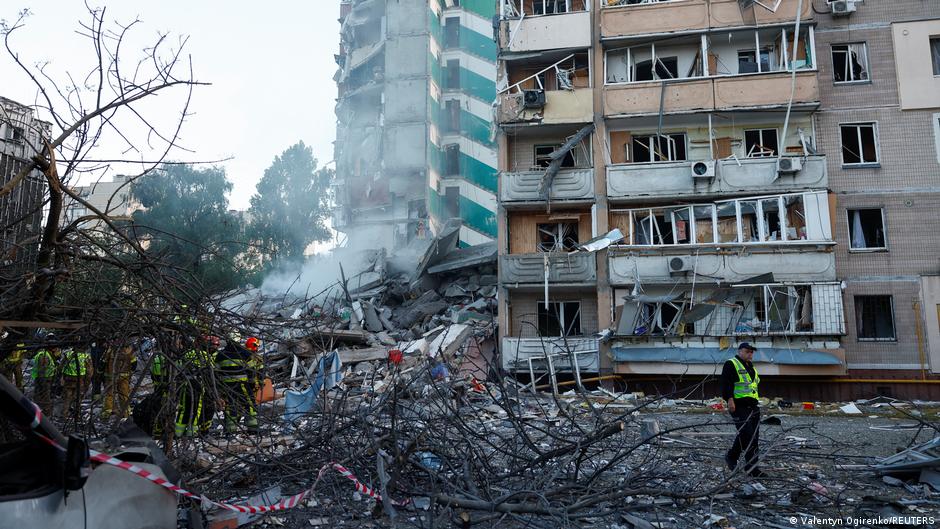
On the night of May 14, Russian forces launched a massive missile and drone assault on Kyiv, the capital of Ukraine, causing significant damage and casualties. The attacks also extended to other key Ukrainian cities, raising alarms about the broader impact on Ukraine's economic and technological sectors.
Impact on Kyiv's Infrastructure and Startup Environment
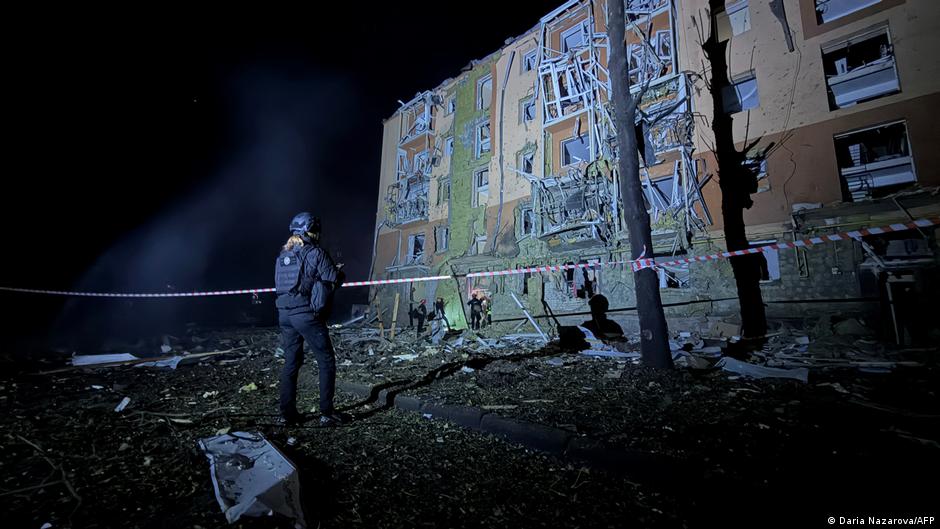
The strikes resulted in fires breaking out in multiple locations and the partial collapse of a residential high-rise building in Kyiv's Darnytskyi district. Emergency services have rescued at least 10 people from the rubble, with nine individuals hospitalized and others receiving outpatient care.
Explosions and debris also damaged residential and commercial properties in various districts, including Dniprovskyi, Shevchenkivskyi, Solomianskyi, Obolonskyi, and Holosiivskyi. Notably, fires ignited on rooftops and at a gas station, and a business center sustained damage from falling debris.
These areas are part of Kyiv's urban fabric where many technology startups and innovation hubs are situated. The disruption to buildings, commercial centers, and transportation routes poses direct risks to the daily operations of startups and entrepreneurial ventures that rely on stable infrastructure.
"The attacks not only threaten lives but also jeopardize the critical infrastructure that underpins Kyiv's innovation ecosystem," said a regional development analyst.
Technology startups in Kyiv often inhabit co-working spaces, technology parks, and business centers, many of which are located in urban districts affected by the recent strikes. Damage to these facilities, combined with power disruptions and security concerns, may delay product development cycles, disrupt investor relations, and deter foreign venture capital inflows during an already challenging economic period.
Broader Implications for Ukraine's Innovation and VC Funding Landscape
The assault included the deployment of nearly 900 drones on May 13 alone, with Ukrainian air defenses intercepting the majority. The widespread targeting of eastern and western regions — including Kharkiv, Poltava, Sumy, Donetsk, Odesa, Mykolaiv, Dnipropetrovsk, Cherkasy, and even the western city of Uzhhorod — disrupts not only residential and industrial areas but also emerging technology clusters across Ukraine.
As Ukraine's startup ecosystem continues to gain international attention, these attacks underscore the heightened risks faced by entrepreneurs and investors. The destruction of infrastructure and uncertainty about security can stall ongoing mergers and acquisitions, complicate due diligence processes, and impact valuations negatively.
Moreover, the resilience of Ukraine's tech sector depends heavily on digital infrastructure and stable networks. The damage inflicted by the missile and drone strikes challenges this stability, potentially slowing innovation and affecting the country's long-term position as a promising hub for software development, IT services, and tech entrepreneurship.
While the Ukrainian government and international partners ramp up support for reconstruction and security, the startup community must navigate unprecedented operational challenges. Venture capitalists may reassess risk exposure, and startups might accelerate diversification strategies, including remote work models and geographically distributed teams, to mitigate future disruptions.
In conclusion, the recent Russian military actions highlight the intersection of geopolitical conflict and the fragile nature of emerging innovation ecosystems. The ability of Ukraine's tech sector to adapt and persevere will be crucial to sustaining momentum in venture capital investment and technological advancement amid ongoing hostilities.