Russian Strikes on Sumy and Zaporizhzhia Raise Concerns Over Ukraine’s Tech Ecosystem Stability
Recent Russian missile and drone attacks on Sumy and Zaporizhzhia resulted in casualties and could disrupt Ukraine’s growing tech and startup environment.
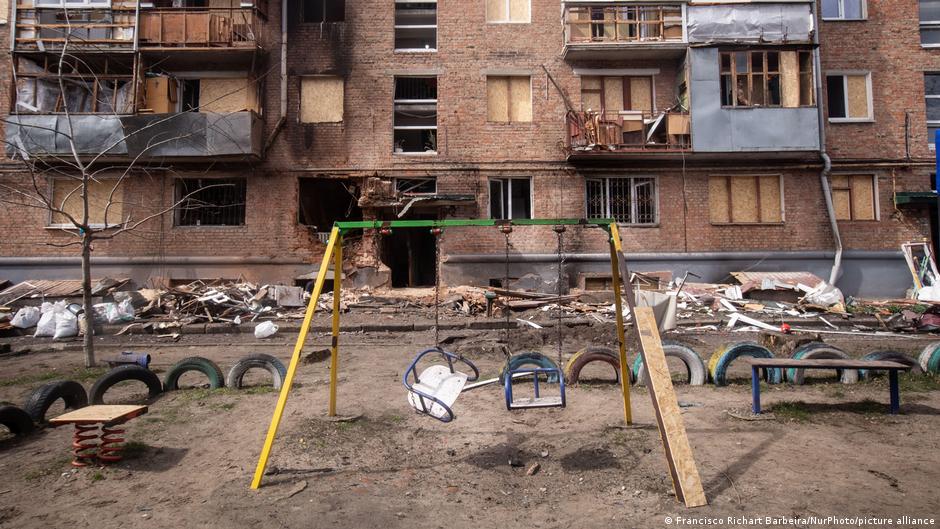
On the evening of July 3, 2023, Russian armed forces launched coordinated missile and drone strikes against the Ukrainian cities of Sumy and Zaporizhzhia, causing multiple civilian casualties and infrastructure damage. These attacks not only have tragic human costs but also pose risks to the stability and growth of Ukraine's emerging technology and startup ecosystems.
Impact on Civilian Life and Infrastructure
According to regional military administrations, in Sumy alone, the strikes killed four people, including a five-year-old girl and her mother, and injured 27 others, seven of whom were children. One shell hit a residential area in the Kovpakivskyi district, striking a multi-story building, a store, and a roadway during a time when many people were present.
"In the epicenter of the strike was a multi-story residential building, a store, and a road. There were many people on site," stated Oleg Hryhorov, head of the Sumy Regional Military Administration.
In Zaporizhzhia, similar attacks targeted both residential neighborhoods and industrial facilities, resulting in two deaths and 21 injuries. The assault on civilian and industrial areas reflects a broader pattern of targeting critical infrastructure in Ukraine's eastern and southern regions.
Risks to the Ukrainian Tech and Startup Ecosystem
Ukraine has been steadily developing a vibrant technology sector and startup community, attracting venture capital interest and fostering innovation. Cities like Zaporizhzhia have been home to a growing number of tech companies, while safe and stable urban centers such as Sumy contribute to the broader ecosystem by providing talent, infrastructure, and markets.
These military attacks threaten to destabilize the environment necessary for startups and venture funding by undermining physical infrastructure, causing displacement, and increasing uncertainty for investors and entrepreneurs alike. Industrial damage, especially to production facilities, could disrupt supply chains and technological manufacturing vital to emerging tech firms.
Moreover, the psychological impact of ongoing conflict reduces workforce availability and deters both domestic and foreign venture capital interest. Startups depend heavily on sustained access to talent, funding, and stable operations — all of which can be compromised under such security threats.
Looking Ahead: Challenges for Innovation Amid Conflict
As Ukraine continues to face military aggression, the resilience of its innovation ecosystem will be tested. The international venture capital community and local stakeholders must consider strategies to mitigate risks, including remote work arrangements, diversified investment portfolios, and supporting infrastructure reconstruction efforts.
While the human toll of these attacks is tragic, their ripple effects on Ukraine's broader economic recovery and tech-driven future cannot be underestimated. The ability of Ukrainian startups to adapt and survive amidst conflict will shape the nation’s post-war economic landscape.