Serbia to Hold Early Parliamentary Elections in October, Signaling Political Shift Impacting Tech Ecosystem
President Aleksandar Vučić announces snap elections in Serbia for October 2023 amid ongoing protests and political uncertainty.
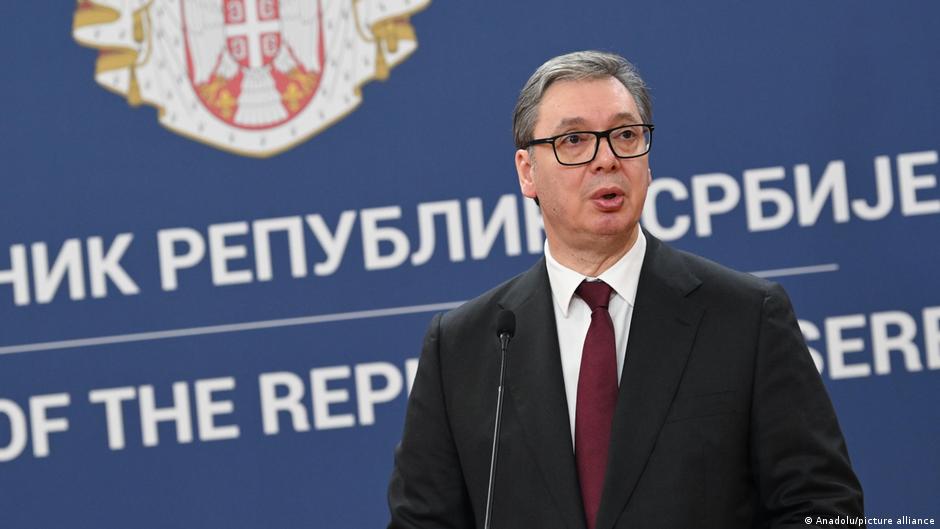
Serbia is set to hold early parliamentary elections in October 2023, President Aleksandar Vučić announced on August 20. This move comes more than a year ahead of the originally scheduled elections and highlights increasing political volatility that could reverberate through the country’s technology and startup sectors.
Vučić revealed the elections will occur either on October 18 or October 25, with the exact date to be confirmed shortly. The early vote is part of a broader political realignment, as Vučić, who has been in power for over a decade, previously indicated plans to step down before his presidential term ends in mid-2027. Under Serbia’s constitution, a president is limited to two terms.
Political Uncertainty Amid Protests and Anti-Corruption Demands
Serbia has been grappling with significant public unrest and political protests for more than a year. These demonstrations were ignited by a tragic accident at the Novi Sad railway station in May 2022, where the collapse of a canopy caused 16 fatalities. The incident became a catalyst for widespread accusations against the government involving corruption and negligence.
"Around 80% of Serbians support the anti-corruption demands of student protesters, reflecting deep public dissatisfaction with the current administration," a recent public opinion poll shows.
Protesters, including large groups of students, have accused Vučić and his administration of systemic corruption, links to organized crime, suppression of political opposition, and undermining freedom of speech. The protests regularly attract tens of thousands of participants, signaling broad-based discontent.
Implications for Serbia’s Tech Startups and Venture Capital Landscape
The political developments have important implications for Serbia’s burgeoning technology and innovation ecosystem. The startup scene in Serbia has grown rapidly over the past decade, fueled by increasing venture capital inflows and government initiatives to boost digital transformation. However, political instability and governance concerns can affect investor confidence and the regulatory environment.
Early elections may lead to shifts in policy priorities or administrative changes that impact tech startups’ operating conditions. Investors typically seek stable and predictable environments, and ongoing protests coupled with leadership transitions could introduce uncertainty in market dynamics and funding availability.
Moreover, the heightened focus on anti-corruption and transparency could eventually foster a more favorable business climate if reforms are effectively implemented. Conversely, prolonged instability risks deterring foreign direct investment and slowing momentum in Serbia’s digital economy.
Industry stakeholders and venture capitalists are closely monitoring these political shifts to gauge their potential effects on mergers and acquisitions (M&A), startup funding rounds, and innovation incentives.
As the election date approaches, the Serbian startup community faces a critical juncture that may redefine the nation’s role as an emerging tech hub in Southeast Europe.