Slovakia to Continue Blocking EU Sanctions on Russia Over Oil Pipeline Dispute
Slovakia links approval of EU’s 20th sanctions package against Russia to resumption of Russian oil supplies via Ukraine.
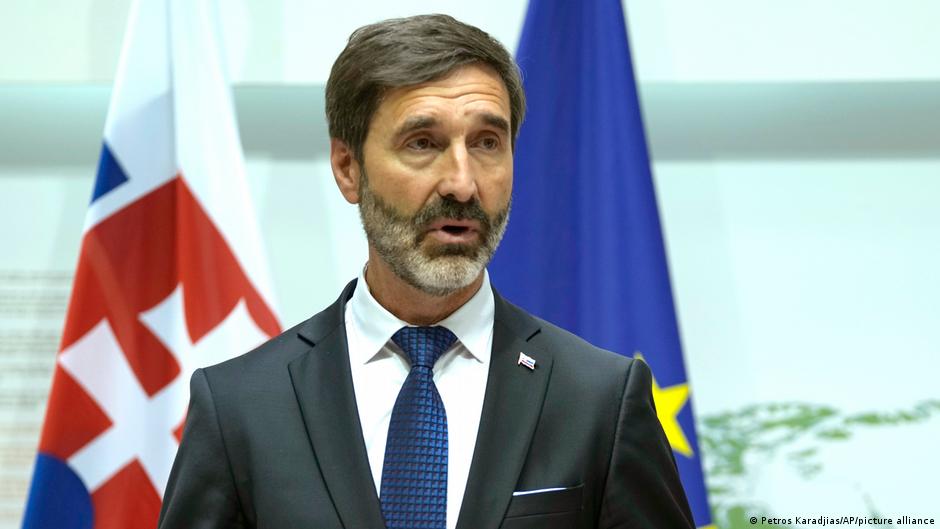
Slovakia has announced it will continue blocking the European Union’s 20th sanctions package against Russia until Russian oil supplies through the "Druzhba" pipeline, which passes through Ukraine, are restored. The Slovak Foreign Minister Juraj Blanár made this declaration during a parliamentary session on April 16.
Pipeline Dispute Impacts EU Sanctions and Funding Decisions
According to Blanár, Slovakia will withhold its vote on the sanctions package if the "Druzhba" pipeline does not resume operations. "If the 'Druzhba' pipeline does not start working again and the vote on the 20th sanctions package is on the agenda, we will not vote in favor," he stated. He added that Bratislava lacks alternative means to compel Ukrainian President Volodymyr Zelensky and the European Commission to reopen the pipeline.
"If the 'Druzhba' pipeline does not start working again, we will not vote in favor of the sanctions." – Juraj Blanár, Slovak Foreign Minister
Despite this stance, Blanár clarified that Slovakia would not oppose the EU’s proposed €90 billion credit facility for Ukraine. This contrasts with Hungary's previous blocking actions, although the leader of Hungary’s victorious "Tisa" party, Péter Madjár, indicated Budapest will not block the EU’s multi-billion euro loan to Kyiv but does not plan to participate financially.
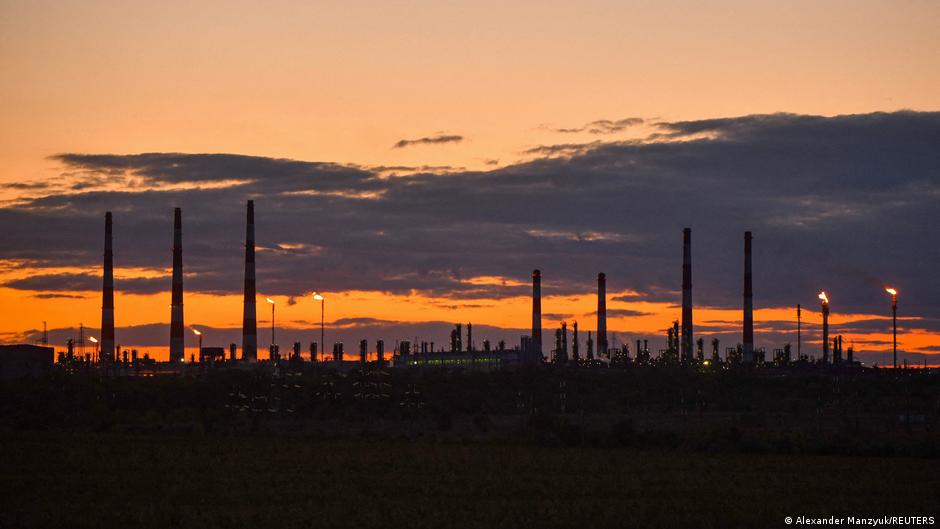
The current tension has roots in the cessation of Russian oil deliveries to Hungary and Slovakia via the "Druzhba" pipeline at the end of January. Ukraine reported that the pipeline, running through its territory, was damaged by a Russian drone strike. Slovakia declared a state of emergency in its oil sector following the halt of supplies in mid-February.
Both Hungary and Slovakia have accused Kyiv of delaying repairs to the pipeline and using the damage as a pretext to stop pumping Russian oil. This conflict led Hungarian Prime Minister Viktor Orbán to block the 20th EU sanctions package against Russia and veto the EU credit allocation to Ukraine.
In March, Ukraine agreed to accept EU assistance to repair the pipeline, and on April 14, President Zelensky announced that the "Druzhba" pipeline could resume operations by the end of the month.
Implications for the European Tech and Innovation Ecosystem
This ongoing dispute has significant implications for the broader European economy and its innovation ecosystem. Energy security remains a crucial factor for tech startups and venture capital firms operating in the region. Disruptions in oil supplies can lead to increased operational costs and energy price volatility, affecting startups' financial stability and investment attractiveness.
Moreover, the geopolitical tensions influencing EU sanctions and financial support mechanisms for Ukraine could shape investor confidence and cross-border collaboration within the tech community. The delayed sanctions and contested EU credits risk prolonging uncertainty in the region, potentially impacting mergers and acquisitions, funding rounds, and the pace of technological innovation.
As Slovakia and Hungary leverage their veto powers over EU decisions, startups and VCs in Central Europe are closely watching how these political maneuvers will affect market access, regulatory frameworks, and economic resilience amid ongoing geopolitical instability.