Ukraine Sanctions 41 Ships and Firms Over Illegal Grain Exports from Occupied Territories
Kyiv imposes sanctions targeting vessels and companies involved in unauthorized grain exports, aiming to safeguard Ukraine’s agricultural exports and disrupt illicit trade networks.

Ukraine has intensified its efforts to combat illegal grain exports from territories occupied by Russia by imposing sanctions on 41 vessels and companies. The move signals Kyiv’s commitment to protect its agricultural exports and disrupt unauthorized trade channels that undermine its economy and sovereignty.
Sanctions Target Vessels and Firms Linked to Illegal Grain Transport
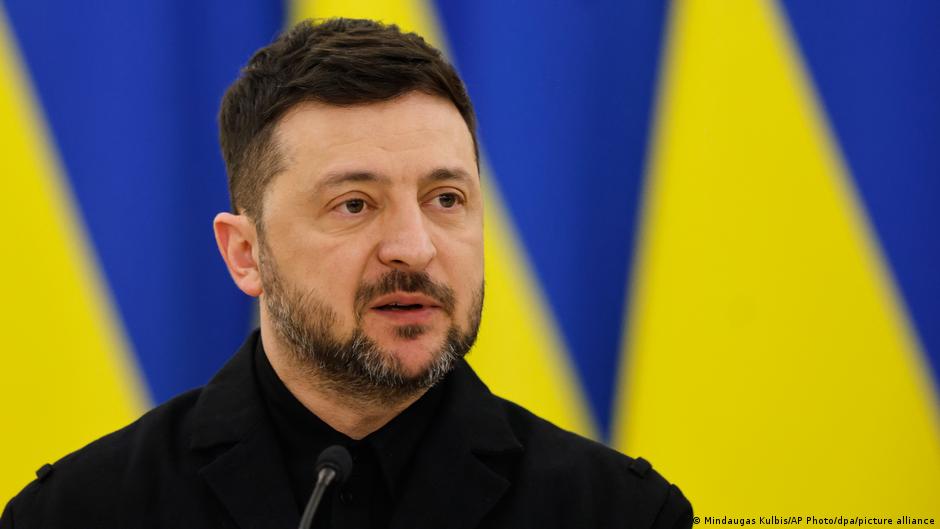
On August 14, 2025, Ukrainian President Volodymyr Zelensky signed a decree enacting sanctions against 13 ships and 28 legal entities implicated in the unauthorized export of Ukrainian grain from Russian-occupied areas. This latest action follows Ukraine’s ongoing crackdown on illicit shipments of agricultural products vital to its economy, such as wheat and sunflower seeds.
The sanctioned vessels operate under various flags, including Russia (8 ships), Panama (3 ships), Belize (1 ship), and Saint Kitts and Nevis (1 ship). Alongside these, 11 Russian nationals and 28 companies have been targeted, reflecting the broad network involved in these operations.
“Illegal export of Ukrainian grain from temporarily occupied territories must have consequences for all involved—from companies and owners to captains and ships,” said Vladyslav Vlasiuk, Ukraine’s presidential envoy for sanctions policy.
The sanctions stem from a decision by Ukraine’s National Security and Defense Council to address the unauthorized removal of grain and other food commodities, which not only deprives Ukraine of critical export revenues but also affects global agricultural markets.
Implications for the Tech and Startup Ecosystem
While these sanctions focus on maritime transport and commodity trading companies, the ripple effects potentially extend to Ukraine’s broader innovation ecosystem. The agricultural sector is a significant contributor to Ukraine’s GDP and export revenues, which underpin government resources available for funding tech startups and innovation projects.
By disrupting illegal grain export channels, Kyiv aims to secure agricultural revenues that can stabilize the economy and maintain investor confidence. This stability is crucial for venture capital firms and startups seeking predictable market conditions and government support.
Moreover, the enforcement of sanctions involves sophisticated monitoring technologies, data analytics, and international cooperation tools—areas ripe for innovation. Ukrainian startups specializing in blockchain-based supply chain verification, satellite monitoring, and maritime tracking could find new opportunities as Ukraine strengthens its capabilities to prevent illicit trade.
International collaboration is also emphasized, with Kyiv pledging to share information with allied countries to synchronize sanctions enforcement across jurisdictions. This cross-border cooperation could pave the way for startup ventures focused on compliance, sanctions management, and international trade security solutions.
Looking Ahead
Ukraine’s efforts to clamp down on illegal grain exports highlight the intersection of geopolitical conflict, economic sanctions, and technology-driven enforcement mechanisms. For the venture capital community, these developments underscore the importance of supporting startups that bolster transparency and security in critical sectors like agriculture and logistics.
As the conflict and related sanctions evolve, startups and investors attentive to these dynamics may discover emerging market needs for technologies that enhance supply chain integrity, sanctions compliance, and international trade resilience.