Swiss Voters Reject Neutrality Curbs That Could Have Limited Sanctions Policy
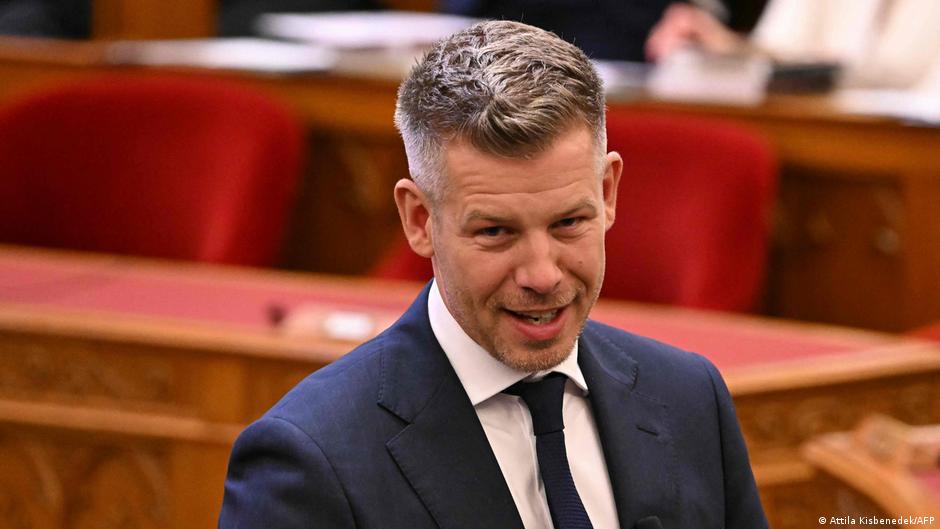
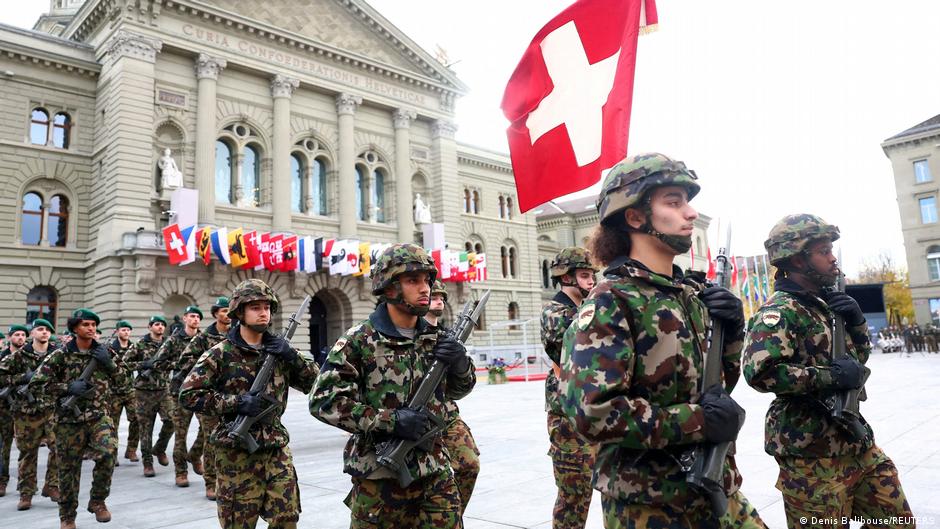
Swiss voters rejected a neutrality initiative that would have restricted sanctions, preserving policy flexibility important to startups and investors.

Swiss voters rejected a neutrality initiative that would have restricted sanctions, preserving policy flexibility important to startups and investors.

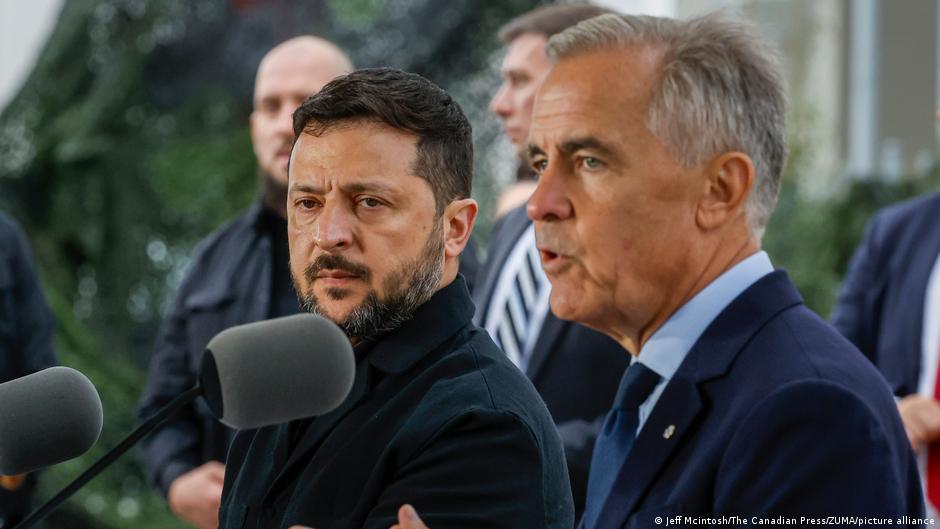
Zelensky expects late-September US talks on food and energy security, issues central to Ukraine’s startup resilience and investor outlook.

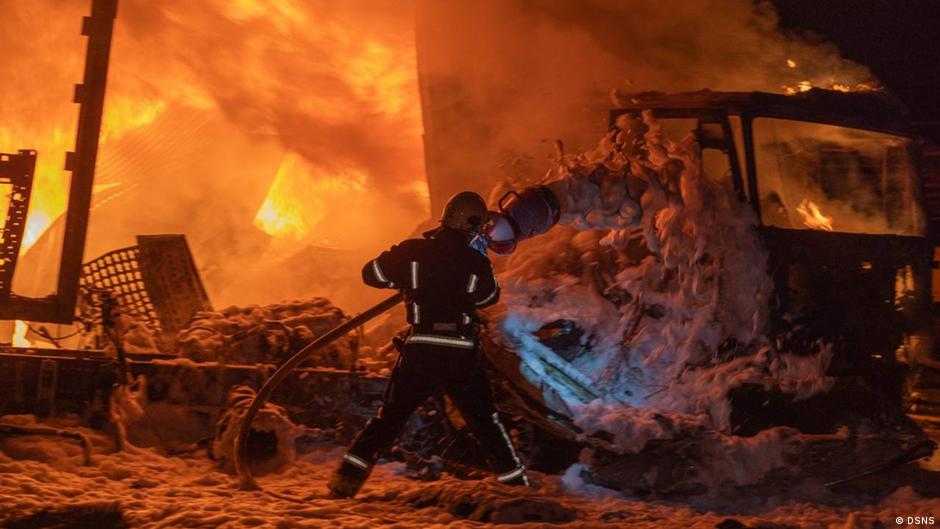
Russian strikes killed civilians in Sumy and Mykolaiv and damaged port, warehouse and postal infrastructure critical to Ukraine’s economy.

Ukraine sanctions 41 vessels and companies for illegal grain exports from Russian-occupied territories, aiming to protect agricultural revenues and disrupt illicit trade.

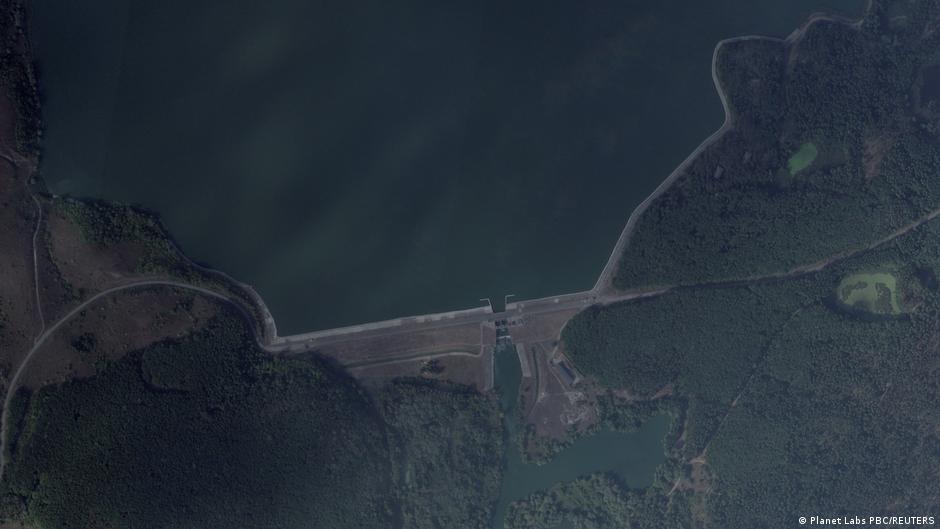
Ukrainian strikes on Belgorod Reservoir caused major water depletion, affecting regional infrastructure and posing risks to the local tech startup ecosystem and venture capital interest.

Russia revises its fuel dampener system and exchange sale rules to stabilize domestic fuel prices and support key sectors, impacting oil producers and importers.

Hungary restores its ban on Ukrainian agricultural imports, impacting agritech startups, venture capital investment, and regional market dynamics in Central Europe.

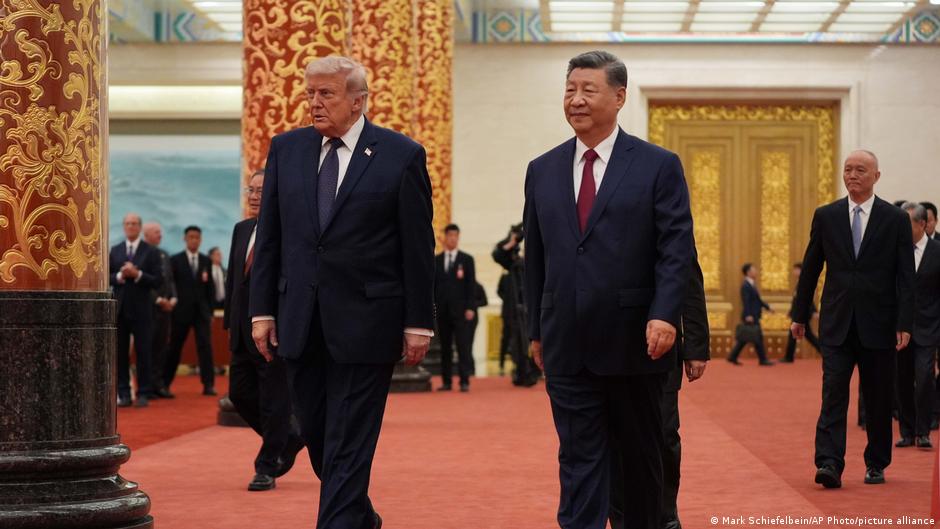
China’s renewed interest in U.S. oil and soybean imports signals shifting trade dynamics with potential impacts on energy and agri-tech startups and the venture capital landscape.

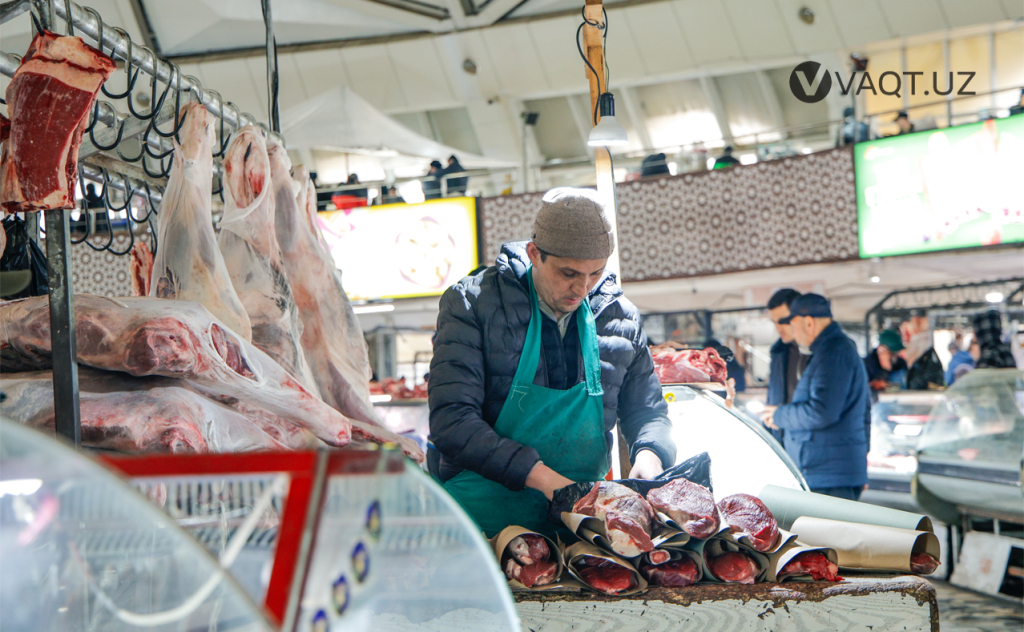
Uzbekistan’s meat imports surged 62.8% in early 2026 as domestic production slows, creating new opportunities for agri-tech startups and venture capital in meat industry innovation.

Ukraine imposes sanctions on 32 Russian firms and 34 individuals linked to the military-industrial complex, aiming to disrupt defense supply chains and related tech sectors.

The EU and Mercosur bloc launch a provisional free trade agreement expected to boost automotive, machinery, and pharmaceutical startups while facing regulatory scrutiny in Europe.

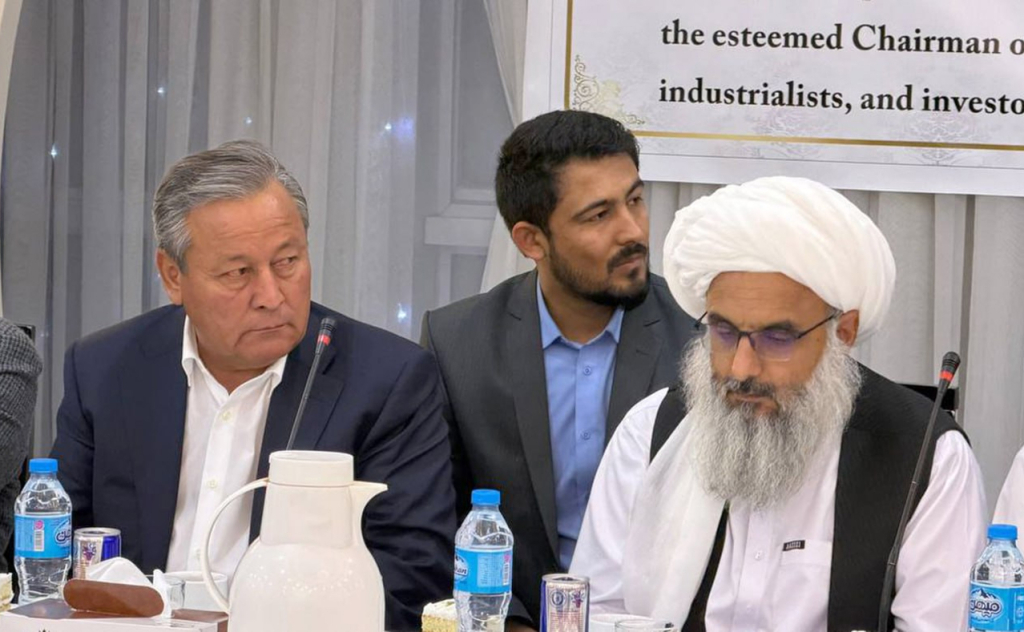
Uzbek and Afghan entrepreneurs signed $300M contracts during a Herat forum, boosting cross-border startup collaboration, trade, and investment opportunities.