US Extends Suspension of Sanctions on Russian Oil Exports Until May 16 Amid Global Energy Fluctuations
The US prolongs the temporary easing of sanctions on Russian oil already loaded on tankers, impacting global energy markets and startup sectors linked to energy innovation.
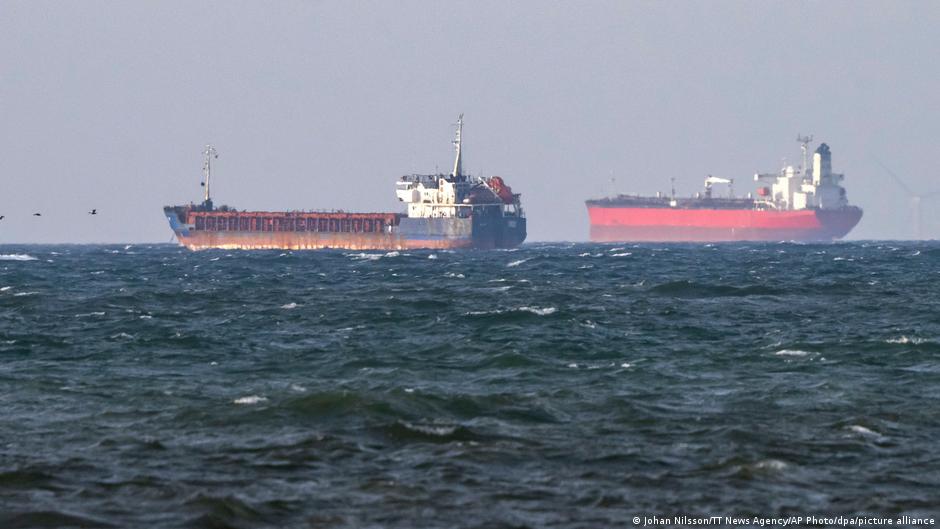
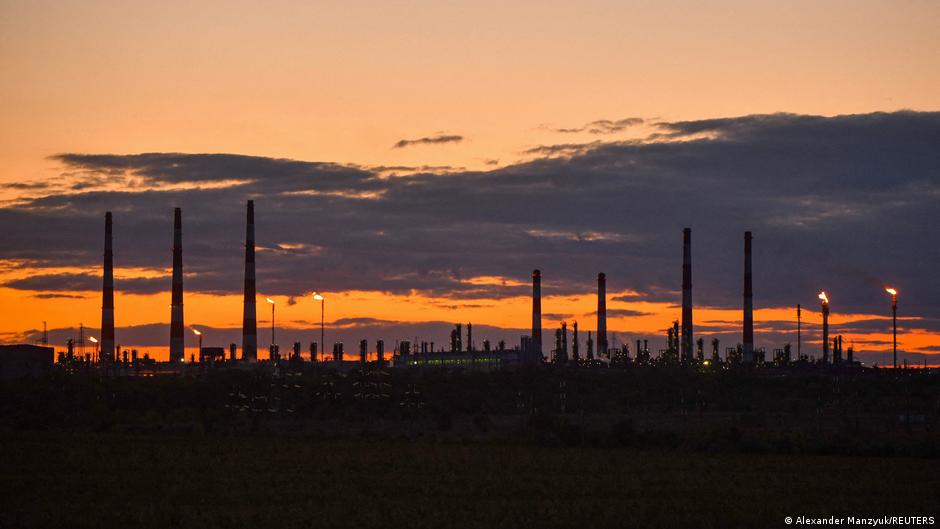
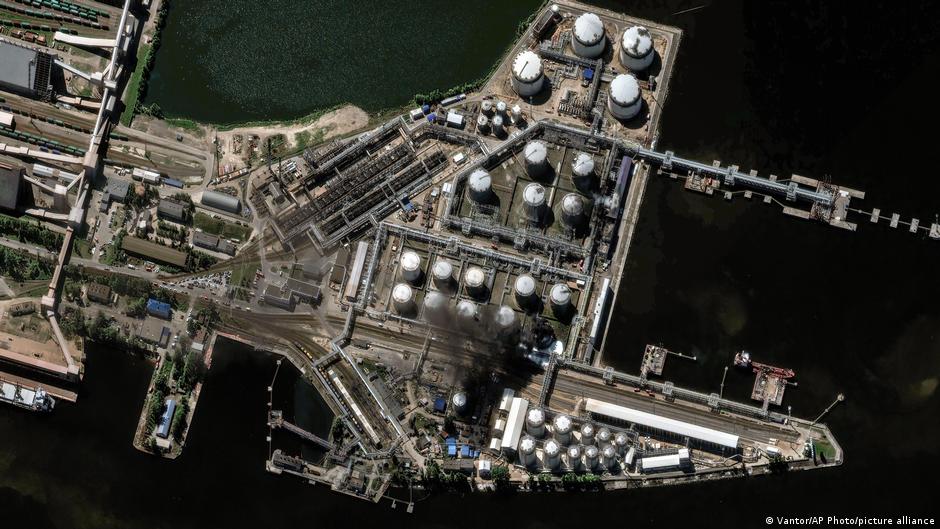
On April 18, the United States announced an extension of its suspension of sanctions on Russian oil and petroleum products already loaded onto tankers, prolonging the exemption until May 16. This move comes despite earlier statements from US Treasury Secretary Scott Bessent indicating that Washington would not renew the waiver.
The initial relaxation of sanctions was implemented on March 13, following a surge in global energy prices triggered by conflict in the Middle East, particularly in Iran. The exemption was designed as a narrowly targeted and short-term measure, initially set to expire on April 11.
Implications for Energy Markets and the Innovation Ecosystem
While the easing of restrictions was meant to have minimal impact on Russia's oil revenues, reports suggest otherwise. According to The New York Times, the US policy adjustment has resulted in Russia generating over $100 million in additional daily revenues from oil sales during the exemption period. Data from the International Energy Agency (IEA) indicates that Russian oil revenues nearly doubled in March compared to February, reaching $19 billion amid ongoing Middle Eastern tensions.
"The exemption was intended as a temporary fix but has inadvertently bolstered Russian oil income, influencing global energy dynamics."
Despite increased Russian income, the relaxation of sanctions did not significantly affect global oil prices, which the Trump administration had sought to stabilize. A contributing factor is Russia's use of a "shadow fleet" of tankers to circumvent international restrictions, maintaining export flows despite sanctions.
For the venture capital and startup community, these developments highlight the complex interplay between geopolitical events and energy innovation markets. Fluctuating energy prices and regulatory uncertainties can influence investment decisions in clean energy technologies, alternative fuels, and supply chain solutions. Startups focused on energy efficiency, carbon-neutral fuels, and blockchain-based supply chain transparency may find new opportunities as markets react to shifting sanctions and trade policies.
Moreover, the temporary easing of sanctions underscores the vulnerability of global energy supply chains to geopolitical risks, emphasizing a growing need for technological innovation in energy diversification and resilience. Venture capital firms are likely to continue monitoring such geopolitical shifts closely, adjusting their funding strategies to support startups that can navigate or mitigate these uncertainties.
As the exemption period extends to mid-May, stakeholders in the energy sector and adjacent tech markets will be watching closely for further policy adjustments and their broader impact on innovation ecosystems worldwide.