US Imposes 50% Tariffs on Canadian Goods, Impacting Cross-Border Trade and Innovation
New US tariffs on Canadian products could disrupt venture capital flows and startup ecosystems linked to cross-border supply chains.
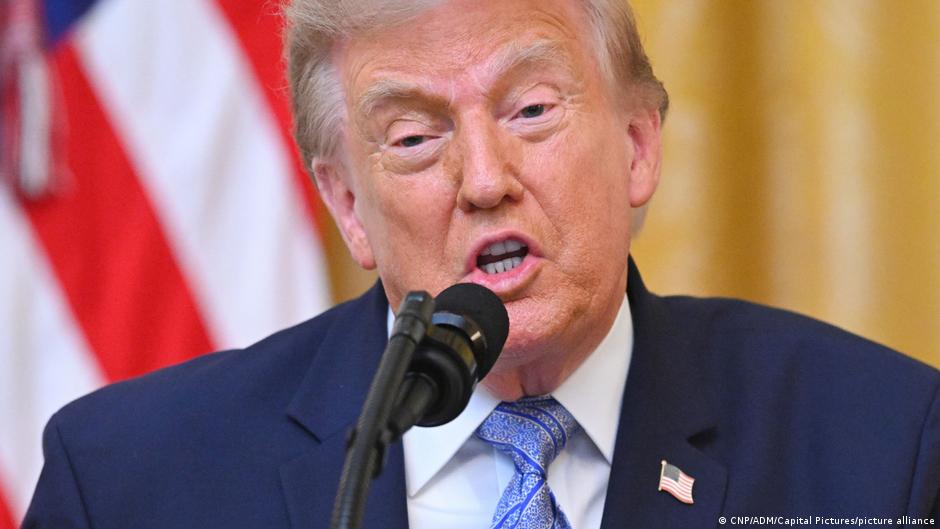
On July 20, the US President signed executive orders imposing new 50% tariffs on a broad range of Canadian goods, citing discriminatory practices by Canadian authorities against American alcoholic beverages, vehicles, and dairy products. The tariffs span categories from wine and cement to hockey sticks, affecting imports valued at approximately $20 billion.
Implications for Tech Startups and the Innovation Ecosystem
While the tariffs exclude energy products, potash, and goods already subject to existing tariffs, they notably impact items covered under the United States-Mexico-Canada Agreement (USMCA). This development introduces new complexities for North American supply chains, especially in sectors where Canadian and American startups and venture capital-backed firms operate collaboratively.
Venture capital investors and startup founders in the technology sector often rely on integrated cross-border supply chains and market access throughout North America. The sudden imposition of hefty tariffs threatens to increase costs and operational risks, potentially discouraging investment and slowing down innovation that depends on seamless trade.
Jameson Greer, the US Trade Representative, justified the tariffs by highlighting Canadian restrictions: "Canada removed American alcoholic beverages from shelves, granted wider market access to European Union dairy products, and imposed limits on US car exports linked to companies relocating production back to the US." These trade frictions could ripple beyond traditional industries into emerging technology ventures, particularly those tied to manufacturing, logistics, or consumer goods that span the border.
"This series of unilateral trade actions undermines the rule-based order and threatens the collaborative ecosystem that fuels innovation across North America," noted Canadian Prime Minister Justin Trudeau in response.
Canada has expressed willingness to intensify negotiations to resolve disputes and update the USMCA framework. Prime Minister Justin Trudeau characterized the US measures as a continuation of unilateral actions violating the trilateral agreement and announced reciprocal Canadian tariffs as a countermeasure.
Beyond tariffs, tensions have escalated over aircraft certification issues. In January, the US threatened punitive tariffs on all Canadian-made aircraft and signaled intentions to revoke certification for Bombardier’s aircraft models if Canada failed to approve several Gulfstream models. Although the US administration later clarified that already operational Canadian aircraft would remain certified, these disputes underscore the broader friction affecting cross-border commerce and innovation collaboration.
Trade experts warn that such tariff escalations could hinder the growth of startups that benefit from integrated North American markets and collaborative innovation. Increased costs and regulatory uncertainties may reduce the attractiveness of cross-border investments and mergers and acquisitions, potentially slowing technology commercialization and reducing competitiveness.
As the US and Canada prepare for the tariffs to take effect on August 19, venture capitalists and startups will need to carefully evaluate supply chain dependencies and market strategies. Industry observers suggest that greater diversification and advocacy for updated trade agreements will be critical to sustaining innovation momentum in the region.