US Imposes New Sanctions on Cuban State-Owned Companies Impacting Key Economic Sectors
Washington targets major Cuban conglomerates controlling 40% of GDP, escalating tensions and affecting investment and trade in the tech and industrial sectors.
The United States government has intensified its sanctions regime against Cuba by imposing new restrictions on five state-owned companies that collectively control approximately 40% of the island nation's GDP. This move, announced on June 23, 2024, marks a significant escalation in economic pressure that may influence Cuba's business environment, including sectors relevant to technology startups, foreign investments, and industrial production.
Sanctions Target GAESA-Controlled Businesses Amid Heightened US-Cuba Tensions
The newly sanctioned entities are primarily linked to the Grupo de Administración Empresarial S.A. (GAESA), a powerful conglomerate managed by Cuba's Revolutionary Armed Forces. GAESA is estimated to hold liquid reserves around $14.5 billion as of 2024 and exerts control over key economic activities, including export-import operations, foreign investment facilitation, financial transactions, and raw steel production.
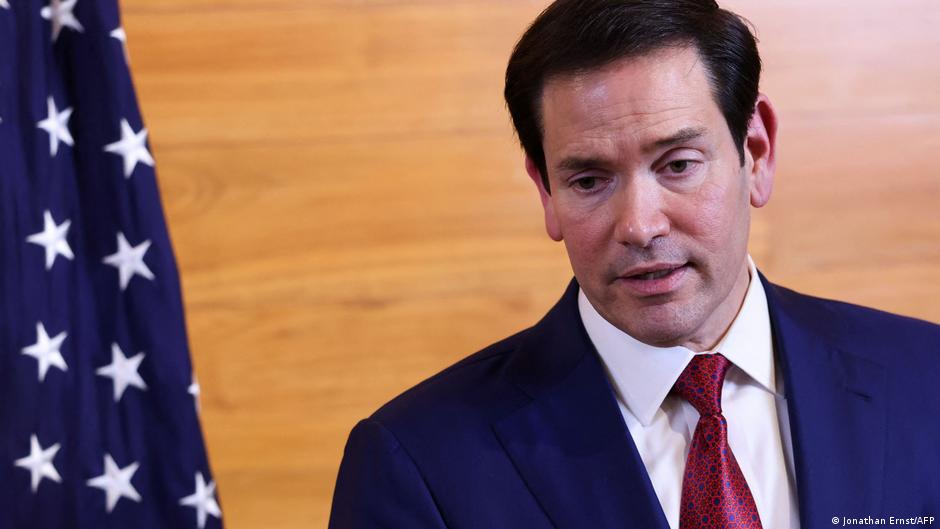
"The Cuban regime exploits GAESA for enrichment and to finance repression, espionage, and anti-American activities," stated U.S. Secretary of State Marco Rubio.
Among those affected by the sanctions is the spouse of Alejandro Castro, head of the Cuban National Security Council and son of former President Raúl Castro, highlighting the administration's focus on individuals connected to Cuba's ruling elite.
The Cuban government strongly condemned the sanctions. Foreign Minister Bruno Rodríguez described them as "relentless aggression and collective punishment," denouncing the measures as unjust and politicized.
Implications for Tech Startups, Venture Capital, and Foreign Investment
The US sanctions on state-owned Cuban firms, especially those facilitating foreign investment and financial operations, could further deter venture capital and startup activity in the country. GAESA's dominant economic role means that restrictions limit access to capital flows and international partnerships vital for emerging tech ventures and innovation ecosystems.
Additionally, the classification of these companies as sanctioned entities may complicate due diligence and compliance for international investors and VC funds interested in Cuba's nascent tech sector or industrial modernization projects.
These sanctions coincide with a US Supreme Court ruling affirming American companies' rights to seek compensation for assets nationalized by the Cuban government decades ago. For example, ExxonMobil may pursue claims exceeding $1 billion related to nationalized oil refineries and distribution infrastructure, signaling potential heightened legal and financial risks for Cuban business entities involved in international commerce.
As tensions between Washington and Havana rise, this environment creates uncertainty for startups and investors looking to engage with Cuba's economy, possibly slowing innovation and cross-border collaboration.
Future Outlook
The sanctions and legal developments reflect a strategic US policy to increase economic leverage over Cuba's ruling structures. For the Cuban business ecosystem, especially emerging technology sectors reliant on foreign capital and open trade, these measures could restrict growth opportunities and isolate the country further from global investment networks.
Industry observers will be watching closely how these geopolitical dynamics impact Cuba’s capacity to foster innovation and attract venture capital in the medium to long term.