US-Iran De-escalation Signals Potential Regional Stability, Impacting Mideast Tech and Venture Landscape
Trump’s cancellation of planned strikes and progress toward a nuclear deal with Iran could reshape innovation and investment prospects across the Middle East.
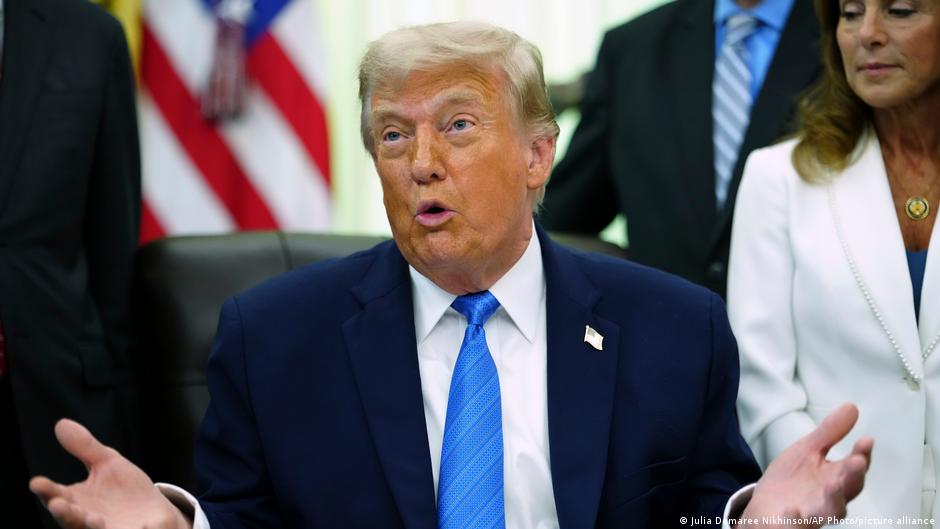
In a significant geopolitical shift, former U.S. President Donald Trump announced the cancellation of planned military strikes against Iran, citing progress in high-level negotiations. This unexpected move marks a potential turning point in regional security, with broader implications for the Middle East’s innovation ecosystem and venture capital flows.
Diplomatic Developments and Regional Backdrop
Trump revealed on his social platform that the scheduled airstrikes set for June 11 were called off after consultations with Iran’s supreme leadership. He emphasized that the deal’s final points had received consensus not only from Iran but also from other key regional players including Israel, Saudi Arabia, the UAE, Qatar, Turkey, Pakistan, Bahrain, Kuwait, Jordan, and Egypt.
“The maritime blockade will remain in effect until the deal’s completion, with timing and location for signing to be announced shortly,” Trump noted.
Later that evening, Trump indicated the possibility of a "magnificent" agreement being signed within the weekend, potentially in Europe, although he stated he would be unable to attend due to his 80th birthday. Vice President J.D. Vance is expected to represent the administration at the signing.
Implications for Tech Startups and Venture Capital
The easing of hostilities and diplomatic rapprochement could unlock a new wave of cross-border cooperation in technology and innovation sectors across the Middle East. Historically, regional conflicts have stifled startup ecosystems by creating uncertainty, limiting investor confidence, and restricting talent mobility. A durable agreement that ensures Iran will not pursue nuclear weapons and reopens strategic maritime routes, like the Strait of Hormuz, promises to stabilize supply chains and economic conditions.
Investors and venture capitalists eyeing the Middle East may find renewed appetite for funding startups engaged in energy tech, cybersecurity, and logistics. The normalization of relations can spur joint ventures and partnerships between Iranian tech firms and others in Gulf Cooperation Council countries, fostering innovation synergies.
Moreover, reopening trade routes and reducing geopolitical risk could enhance regional infrastructure projects, digital economy initiatives, and fintech developments, creating fertile ground for startups to thrive.
Challenges and Remaining Uncertainties
Despite optimistic signals, Tehran has yet to finalize its approval of the deal. Iranian officials have cautioned about the consequences of "impulsive" U.S. actions, warning against protracted conflict escalation. Recent U.S. military strikes and Iranian retaliatory missile attacks underscore the fragile nature of the détente.
For the startup and investment community, the evolving situation demands vigilance. Geopolitical volatility remains a key risk factor influencing deal flow and valuation metrics in the region. However, the prospect of a peaceful resolution and renewed economic engagement could recalibrate risk models and stimulate venture activity.
Looking Ahead
As diplomatic dialogue progresses, stakeholders across the venture capital ecosystem should monitor developments closely. A stable Middle East can enhance regional innovation hubs, attract global capital, and foster startup ecosystems that were previously constrained by conflict.
In summary, the potential U.S.-Iran agreement, if realized, represents not only a strategic geopolitical pivot but also a catalyst for transforming the Middle East’s technology landscape and venture investment climate.