US-Iran Escalation Raises Concerns for Middle East Stability and Tech Startup Investment
Renewed US strikes on Iran and Iran's closure of the Strait of Hormuz may disrupt regional stability and impact venture capital flows to Middle East tech sectors.
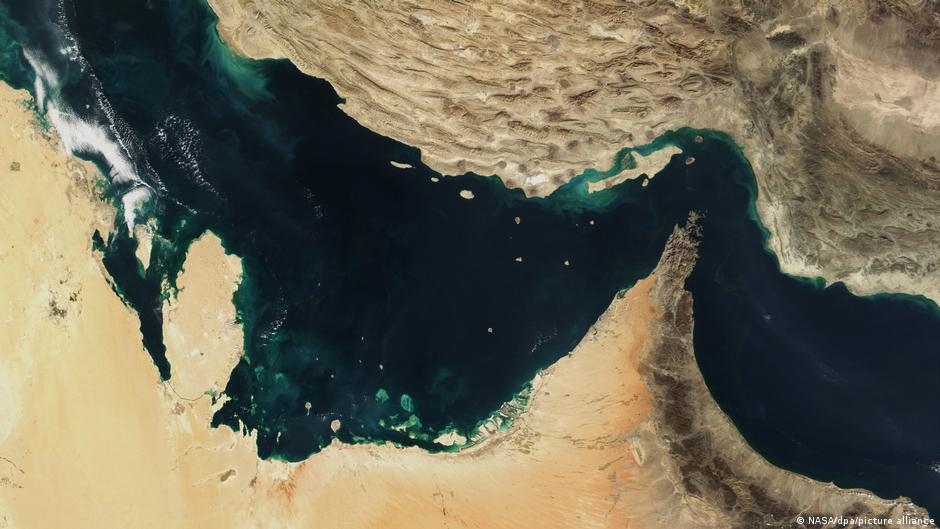
The recent military escalation between the United States and Iran is stoking geopolitical uncertainty that could have significant ramifications for the Middle East's burgeoning technology startup ecosystem. On June 10, US forces resumed targeted strikes on Iranian locations, prompting Tehran to retaliate with attacks on American military bases in the Persian Gulf region and Jordan. In a dramatic move, Iran declared a complete closure of the strategically crucial Strait of Hormuz, signaling an intensification of tensions with potential ripple effects beyond military and energy sectors.
Geopolitical Tensions and Regional Security Risks
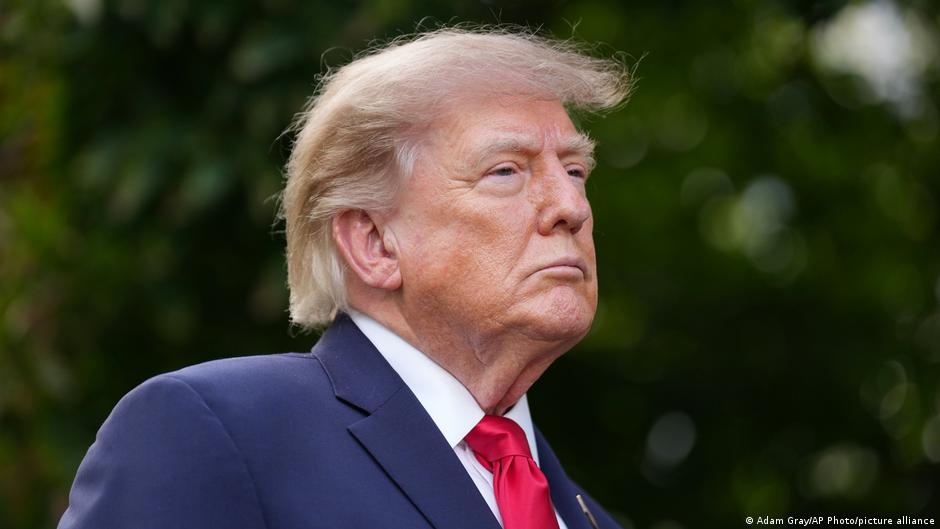
The US Central Command (CENTCOM) announced the strikes as a response to what it described as Iran's "unjustified and ongoing aggression." The operation commenced at 17:15 Eastern US time, shortly after President Donald Trump and US Defense Secretary Pete Hegseth warned of further military action aimed at deterring escalation and creating conditions for negotiation rather than full-scale war.
"These strikes are intended to prevent war and foster an environment conducive to agreement," stated the US defense leadership.
Iranian state media reported explosions near the cities of Minab, Sirik, the port city of Bandar Abbas, and Gorgan, targeting military facilities. Subsequently, Iranian forces launched ballistic missile attacks on US bases in Gulf states and Jordan, triggering air defense alerts in Kuwait and Bahrain.
Most notably for global trade and regional geopolitics, Iran's military command announced the full closure of the Strait of Hormuz, a vital chokepoint through which approximately 20% of the world's petroleum passes. The statement warned any vessel attempting to traverse the strait would be targeted, citing an "altered security environment" following the US strikes. Iranian state television later reported that military forces had opened fire on two ships in the strait.
While CENTCOM denied the full closure claims, confirming that commercial vessels continue to pass through the strait, the escalation nonetheless raises uncertainties about the security of maritime trade routes.
Potential Impacts on Middle East Tech Startups and Venture Capital
The intensifying US-Iran conflict threatens to destabilize a region that has been steadily cultivating a growing technology startup ecosystem. Gulf countries such as the UAE, Bahrain, and Kuwait have been investing heavily in innovation hubs, fintech, artificial intelligence, and digital infrastructure, supported by increasing venture capital inflows.
Heightened regional tensions often prompt investors to reassess risk exposure, potentially slowing down venture capital funding rounds and mergers and acquisitions activity. The closure or threat to key maritime routes like the Strait of Hormuz could also disrupt supply chains and raise operational costs for startups reliant on imports and exports, which in turn may affect valuations and investor confidence.
Moreover, the broader uncertainty can delay strategic partnerships and foreign direct investment critical for startups scaling across borders. The increased defense alerts and missile threats in Gulf states hosting startup hubs add layers of risk that may deter international accelerators and corporate venture arms from active engagement in the near term.
However, some experts argue that geopolitical stress can also spur innovation, particularly in cybersecurity, defense technology, and resilient digital infrastructure sectors. Startups addressing these needs may find new opportunities for funding and accelerated growth amid rising security concerns.
As the situation unfolds, venture capitalists and startup founders alike will need to monitor developments closely and adapt strategies to navigate the shifting risk landscape in the Middle East.