US-Iran Maritime Clash Escalates Tensions, Impacting Middle East Tech Ecosystem Prospects
US seizure of Iranian cargo ship in Gulf of Oman heightens geopolitical risks affecting venture capital and startup innovation environment in the region.
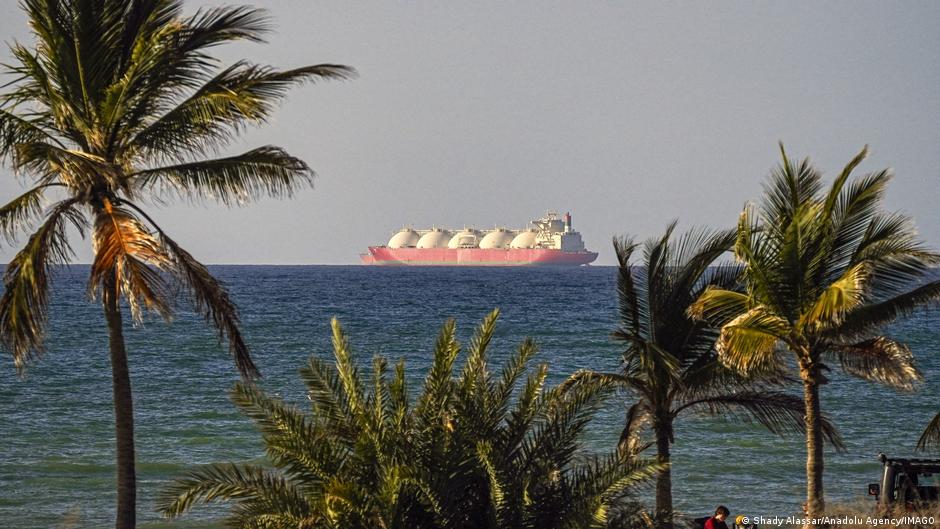
In a recent escalation of US-Iran tensions, Iranian military officials have condemned the seizure of an Iranian-flagged cargo ship by US naval forces in the Gulf of Oman as a breach of ceasefire agreements and an act of maritime piracy. This incident intensifies geopolitical uncertainty in the strategically crucial region, raising concerns about potential ripple effects on the Middle East's technology startups and venture capital landscape.
Geopolitical Instability and Its Ripple Effects on Innovation Ecosystems
The Iranian Central Military Command in Tehran labeled the US operation against the cargo vessel an "aggressive act" violating existing ceasefire terms. Iranian authorities also reported retaliatory drone strikes targeting US warships, signaling a potential for further military escalations.
"Aggressive America has violated the ceasefire and committed an act of maritime piracy," stated a military spokesperson, highlighting the severity with which Iran views the incident.
From the US perspective, President Donald Trump articulated on his social media platform Truth Social that the naval forces intercepted the Iranian cargo ship because it was attempting to bypass the maritime blockade of Iranian ports, a measure imposed by Washington to exert economic pressure on Tehran.
The US Central Command for the Middle East (CENTCOM) has publicly confirmed the seizure, underscoring the operation's strategic importance. This confrontation occurs against a backdrop of stalled diplomatic efforts, with Iran reportedly unwilling to enter negotiations while US blockades remain in place.
For the technology and startup sectors in the Middle East, particularly those with ties to global markets and venture capital, such geopolitical volatility translates into increased risks. Investors often view regional instability as a deterrent, potentially constraining funding availability and slowing innovation-driven growth.
International sanctions and maritime blockades can disrupt supply chains crucial to hardware startups and technology exports. Moreover, rising tensions can shift governmental priorities and budgets away from innovation incentives toward defense spending, further straining the startup ecosystem.
Venture capitalists evaluating opportunities in the Middle East may adopt a more cautious stance, delaying investments or diversifying portfolios away from high-risk zones. This can stall the momentum of emerging tech hubs in Iran and neighboring countries, affecting long-term innovation trajectories.
As diplomatic dialogues remain uncertain and military actions escalate, the broader implications for regional economic development and technology entrepreneurship are significant. Maintaining stability is essential for nurturing the growing startup ecosystems that are increasingly vital to economic diversification across the Middle East.