US-Iran Military Escalation Risks Disrupting Middle East Shipping and Tech Supply Chains
Recent US-Iran exchanges of strikes in the Strait of Hormuz raise concerns over impacts on global logistics and regional tech startup ecosystems.
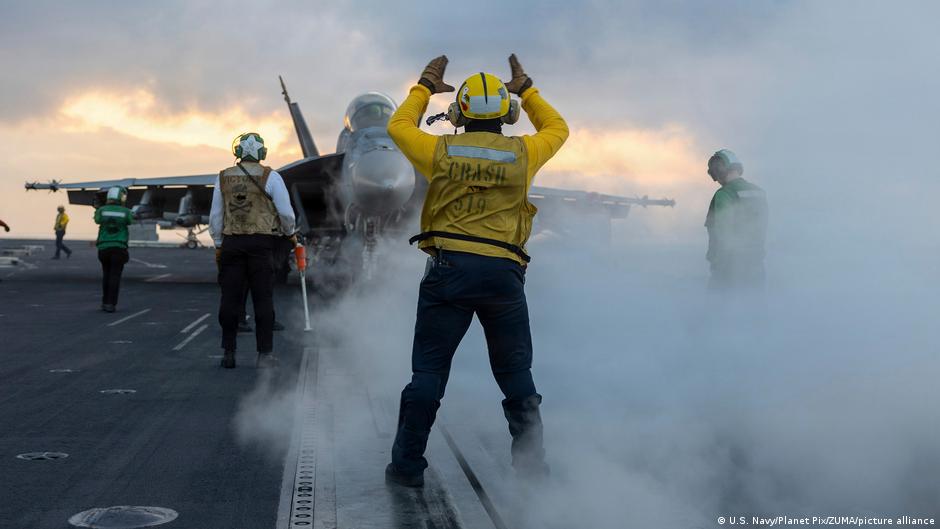
On June 26, the US Central Command carried out airstrikes targeting Iranian missile and drone storage facilities along with coastal radar installations. This was a direct response to an Iranian drone attack on the Singapore-flagged cargo ship Ever Lovely that occurred the previous day near the Strait of Hormuz.
The Ever Lovely, traveling along the coast of Oman, was hit by a kamikaze drone on June 25. CENTCOM described this attack as an "unprovoked aggression" violating the recent ceasefire agreement signed between the US and Iran on June 17, which aimed to reduce hostilities and unblock the strategically vital waters.
Regional Stability and Startup Ecosystem at Risk
This escalation comes at a critical time when the Persian Gulf region is a major conduit for global energy supplies and an emerging hub for technology startups leveraging logistic and energy sector innovations. The military tit-for-tat actions, including retaliatory missile strikes by Iran’s Islamic Revolutionary Guard Corps (IRGC) against US bases, have intensified geopolitical uncertainty.
"The recent attacks risk disrupting maritime trade routes essential not only for energy markets but also for tech startups dependent on stable supply chains," said an industry analyst.
The International Maritime Organization (IMO) has temporarily suspended evacuation operations of hundreds of vessels and over 11,000 seafarers stranded due to the conflict, compounding logistic challenges. This disruption threatens to delay deliveries of critical components and raw materials used by Middle Eastern and global startups, especially those in sectors such as renewable energy, IoT, and autonomous systems.
Moreover, the spike in oil prices triggered by the unrest could increase operational costs for startups and venture-backed companies dependent on fuel and transportation. The fragile progress made in unlocking the Strait of Hormuz post-agreement risks reversal, potentially escalating insurance premiums and deterring foreign investment in regional innovation hubs.
Iran justifies its actions by asserting its sovereign control over shipping routes through the Strait, a key choke point for approximately 20% of global oil shipments. The IRGC warns of "more extensive responses" should US aggression continue, signaling protracted instability.
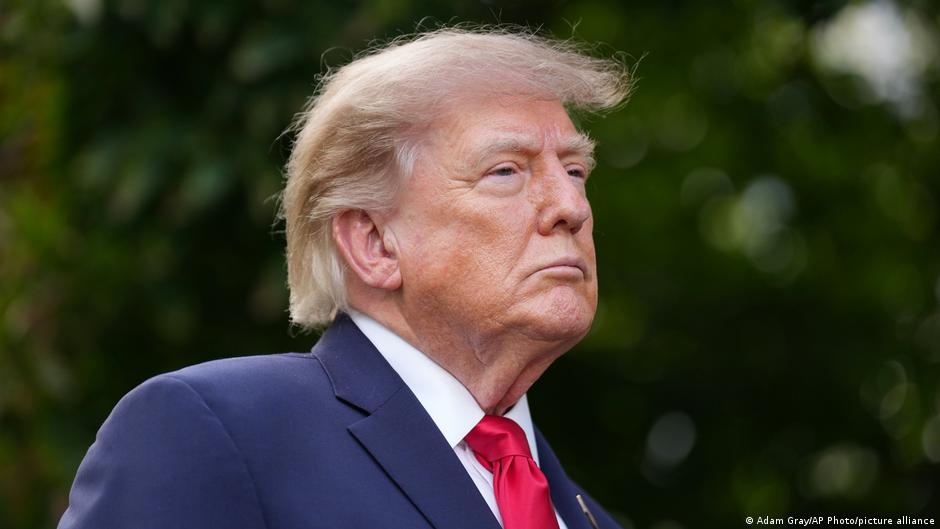
US President Donald Trump condemned the Iranian strikes as "foolish violations" of the ceasefire, highlighting that Iran launched at least four drones against passing vessels. This rhetoric further fuels uncertainty in markets and may prompt US and allied investors to reassess exposure to startups and infrastructure projects in the region.
Venture capitalists monitoring the Middle East’s tech landscape are increasingly concerned that continued military incidents could undermine the nascent innovation ecosystem. Stable maritime corridors are crucial not only for energy exports but also for the import and export of hardware, software, and talent that modern startups rely on.
As the US and Iran exchange military blows, the immediate regional impact is clear: disruption of shipping lanes and increased geopolitical risk. For the tech startup community and venture investors, the episode serves as a stark reminder that geopolitical stability is a foundational pillar of a thriving innovation ecosystem.