US Launches Broad Economic Offensive Against Iran, Impacting Global Tech and Trade Ecosystems
Trump announces unprecedented sanctions targeting Iran and warns allies against business ties, reshaping regional trade dynamics and venture landscapes.
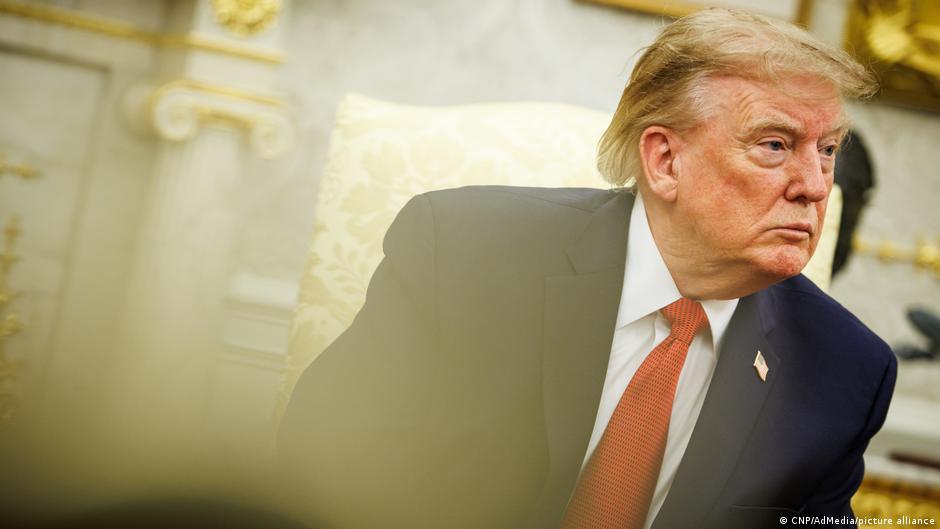
On August 20, former US President Donald Trump declared a sweeping economic campaign against Iran, marking one of the most extensive sanction efforts in recent memory. The announcement signals a significant escalation in economic pressure aimed at isolating Tehran and curbing its influence on the global stage.
In a statement on his social media platform, Trump described the initiative as "the most devastating economic operation ever conducted against any country," emphasizing the scale and intensity of the forthcoming sanctions. This strategy involves imposing severe penalties not only on Iran but also on any nation or entity that continues to engage in business or support with Tehran.
Implications for Global Trade and Venture Capital
Trump's threat to levy "enormous" sanctions on countries maintaining commercial ties with Iran significantly heightens geopolitical risks, particularly affecting multinational corporations, shipping enterprises, and financial institutions. This development disrupts existing trade routes and supply chains, which could ripple through various sectors, including technology startups reliant on international partnerships and supply networks.
"We need the support of all our allies to isolate and defeat the Iranian threat," Trump underscored, highlighting the coalition approach to this economic warfare.
The sanctions follow earlier US measures focusing on Iran's oil, shipping, and financial sectors, aiming to choke off revenue streams critical to the Iranian economy. This sustained pressure is part of the broader "Economic Fury" campaign initiated by the US in April, designed to intensify economic restrictions progressively.
Compounding the regional tensions, the United Arab Emirates (UAE) halted all trade, commercial exchanges, and financial dealings with Iran as of August 18. The UAE accused Tehran of launching missile attacks targeting its maritime shipping routes—a claim Iran has denied. This further isolates Iran in the Gulf region, a key nexus for international trade and energy transit.
Consequences for the Tech Startup Ecosystem
For venture capitalists and startups, these sanctions create an environment of increased uncertainty and risk, particularly for companies with exposure to Middle Eastern markets or supply chains. Startups dependent on technologies sourced from or partnerships within the region may face delays, increased costs, or legal complications.
Moreover, the broad scope of the sanctions could discourage foreign investment and cross-border innovation collaborations involving Iranian entities or indirectly connected firms. This may slow the pace of technological advancement and startup growth in affected areas, altering the innovation landscape.
Investors will need to reassess portfolio risks related to geopolitical instability, while startups might seek to diversify markets and supply bases to mitigate potential disruptions caused by these economic hostilities.
Overall, the US government's intensification of economic pressure against Iran represents a pivotal moment with far-reaching consequences for global commerce and the venture ecosystem, underscoring the intricate link between geopolitics and technology-driven markets.