US Military Casualties in Conflict with Iran Rise to 17 Amid Heightened Regional Tensions
The latest US military death occurred during ordnance disposal in Iraq, underscoring increasing risks in the Middle East conflict impacting security and technology sectors.
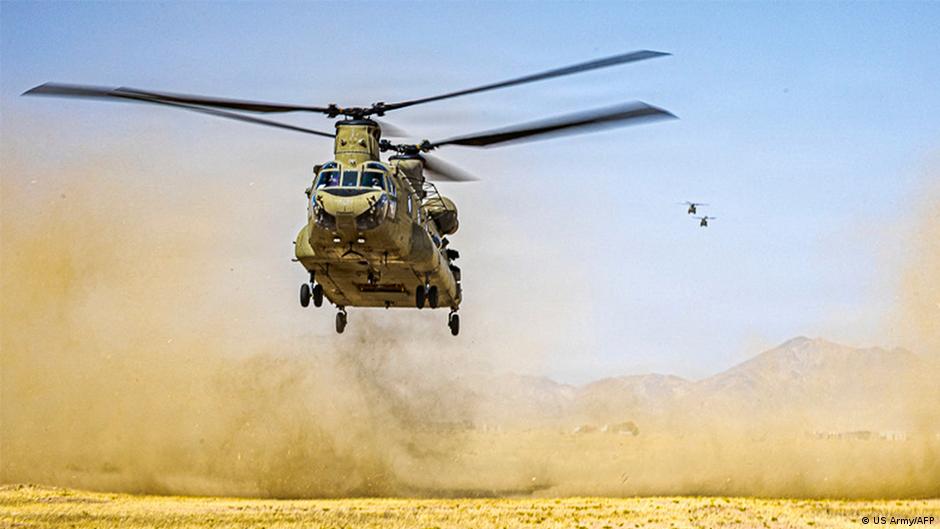
The number of US military fatalities in the ongoing conflict with Iran has risen to 17 following the death of an American soldier on July 18 in northern Iraq. The soldier was killed during a controlled detonation of unexploded Iranian ordnance, according to the US Central Command (CENTCOM).
Another service member sustained minor injuries and is receiving medical treatment. This follows a series of hostilities that have escalated tensions across the Middle East, with significant implications beyond the immediate military sphere.
Escalating Conflict and Strategic Military Responses
Earlier, CENTCOM reported that two US service members died after an Iranian missile strike on a Jordanian airbase on July 17, with a third listed as missing. Subsequent recovery efforts identified unidentified remains believed to be those of the missing soldier, though formal identification is pending.
On July 18, US forces launched retaliatory strikes against Iranian Revolutionary Guard Corps (IRGC) targets. CENTCOM stated these actions were intended to penalize the IRGC for the attack in Jordan and to degrade Iran's ability to threaten commercial shipping in the strategic Strait of Hormuz.
"The key objective remains unchanged: to never allow Iran to acquire nuclear weapons," said President Donald Trump in a televised interview, emphasizing the US commitment amid the escalating conflict.
In response, Iran launched missile attacks on two US military bases in Kuwait, further heightening regional instability.
Implications for the Technology and Defense Innovation Ecosystem
The intensifying conflict has prompted the US to redeploy additional advanced military aircraft to the Middle East, including F-16 fighters from the Spangdahlem Air Base in Germany and F-35 fighters from RAF Lakenheath in the UK, supported by aerial refueling tankers. This strategic buildup reflects not only military priorities but also impacts the global defense technology market and innovation pipelines.
For venture capitalists and startups in the defense tech sector, the heightened demand for advanced military hardware and systems represents both challenges and opportunities. The increased focus on unmanned systems, ordnance disposal technologies, and secure communications is likely to accelerate innovation and investment in this niche.
However, geopolitical instability also introduces risks for supply chains and market access for startups involved in aerospace, cybersecurity, and military-grade electronics. Investors and entrepreneurs must navigate a complex landscape where defense spending priorities shift rapidly in response to evolving threats.
As the US continues to engage in strategic operations to counter Iran’s influence, the defense technology ecosystem could see accelerated funding cycles, mergers and acquisitions, and shifts in innovation focus areas. Monitoring these developments is critical for stakeholders aiming to align with emerging defense and security trends.