US Military Strikes Against Iran Enter Tenth Consecutive Day Amid Escalation
Ongoing US attacks targeting Iran's military infrastructure impact regional stability and could influence tech supply chains and startup ecosystems.
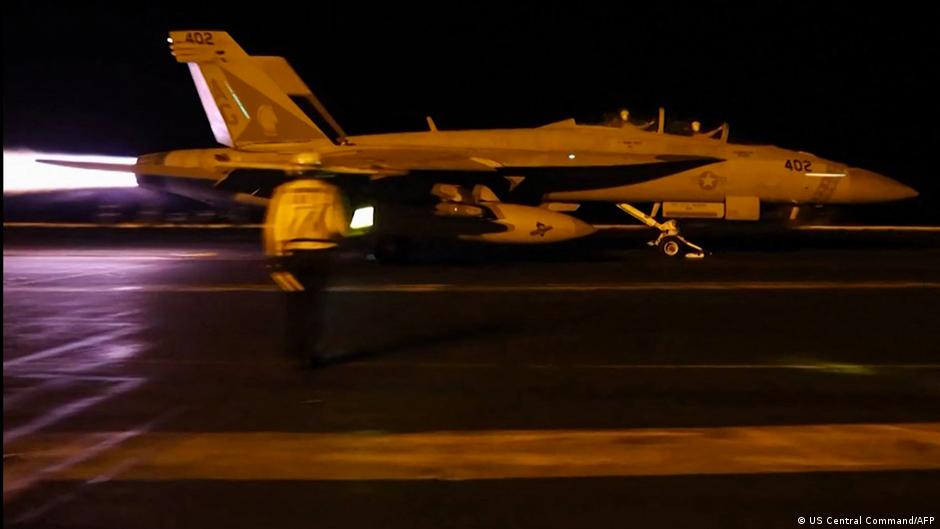
The United States Central Command (CENTCOM) announced that US armed forces have conducted a continuous wave of military strikes against Iran, now entering the tenth consecutive day. The latest attacks, initiated on July 20 at 16:00 Eastern Time (22:00 Central European Time), specifically targeted Iran's air defense systems and sites used for launching rockets and drones.
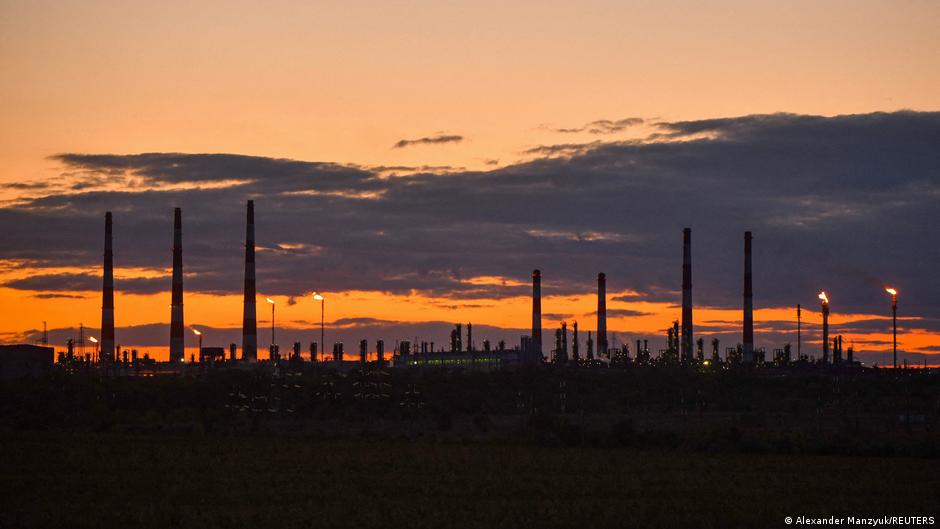
According to CENTCOM, these strikes aim to further degrade Iran's military capabilities, which have been utilized in attacks against commercial shipping vessels in the strategic Strait of Hormuz. The region plays a critical role in global energy supply chains and the broader geopolitical landscape that affects international trade, including technology imports and exports.
Implications for Tech Startups and Venture Ecosystems
The ongoing military confrontation raises concerns beyond immediate security issues, extending into the innovation ecosystem and venture capital landscape. The Strait of Hormuz is a vital artery for global oil shipments and commercial freight, including components and hardware integral to tech manufacturing and startup supply chains. Escalated regional conflict can disrupt logistics and increase costs for startups dependent on global markets.
Moreover, uncertainty driven by geopolitical tensions often affects venture capital (VC) investment flows, with risk-averse investors pulling back from emerging markets susceptible to instability. Startups focusing on defense technologies, cybersecurity, and satellite communications may see shifts in funding as governments and private investors adjust priorities in response to new security dynamics.
“These strikes are intended to reduce Iran’s military potential used for attacks on civilian shipping, highlighting the fragile balance between security and regional economic stability,” said a CENTCOM representative.
Iran responded to the US attacks on July 20 with missile and drone strikes targeting US military bases in neighboring countries, including Kuwait and Jordan. The Iranian Revolutionary Guard Corps (IRGC) also reported seizing two oil tankers near the Strait of Hormuz, claiming the vessels attempted to enter or exit the waterway illegally. These developments escalate the risk of prolonged conflict, potentially impacting global markets and the innovation environment.
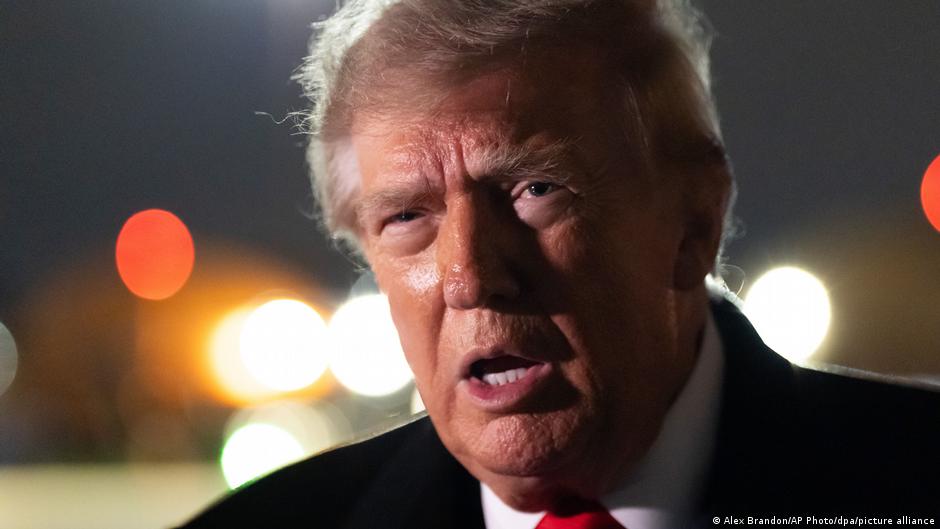
US President Donald Trump issued a stern warning to Iran ahead of the renewed attacks, vowing "multiple" retaliations for any future American military casualties. The heightened rhetoric underscores the potential for further instability.
Since the escalation began, CENTCOM has reported the deaths of three US servicemen, raising the total US military fatalities in the conflict to seventeen. This ongoing loss of life and military engagement could factor into defense spending decisions and technological development priorities, areas that directly influence venture capital funding and startup innovation in security-related sectors.
Shipping through the Strait of Hormuz has already declined amid the tensions, with only four vessels passing through on July 19 compared to eight the previous day, per London Stock Exchange data. Disruptions in this key maritime corridor affect not only energy markets but also the transportation of goods essential to technology startups worldwide.
As the situation develops, tech startups and venture capitalists should monitor the progress closely, since shifts in geopolitical stability often precipitate changes in market dynamics, investment strategies, and innovation trajectories globally.