US Military Strikes in Iran Escalate Amid Rising Middle East Tensions Impacting Tech Investment
Nine consecutive nights of US airstrikes in Iran intensify regional conflict, raising concerns over Middle East stability and implications for global technology startups and venture capital.
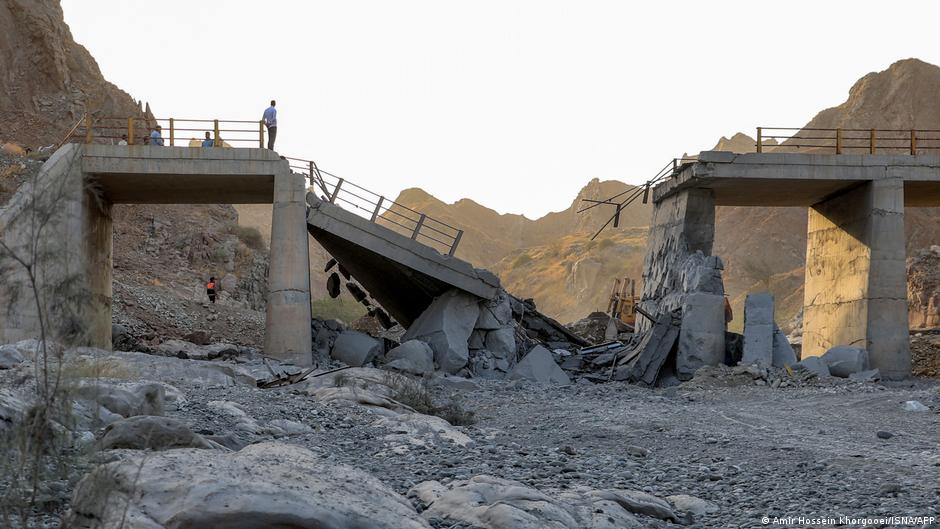
The United States military has carried out airstrikes in Iran for the ninth consecutive night, following the breakdown of a fragile truce between Tehran and Washington. These escalating hostilities have sparked concerns about the broader impacts on regional stability, including effects on the technology startup ecosystem and venture capital flows in the Middle East.
Continuous Military Actions and Regional Fallout
On the night of July 20, US Central Command (CENTCOM) announced operations targeting Iranian military assets to degrade Tehran's capabilities, which Washington claims are used to launch attacks against commercial shipping and civilian mariners in the strategically vital Strait of Hormuz.
Simultaneously, Iran’s Islamic Revolutionary Guard Corps (IRGC) has retaliated by targeting US military installations in Kuwait and Bahrain, two key US allies and regional hubs for military and commercial activities.
“Tonight, we delivered a very serious strike in honor of our fallen soldiers,” said then-President Donald Trump, highlighting the US response to the deaths of American service members engaged in the conflict.
Since the resurgence of hostilities, CENTCOM confirmed the deaths of three additional US service personnel, bringing total US military casualties in the conflict with Iran to 17.
Strategic Disruptions in Critical Energy and Trade Routes
The IRGC also announced the seizure of two oil tankers near the Strait of Hormuz, accusing the vessels of attempting to illegally enter or exit the passage via southern routes. State media reported the tankers exploded, underscoring the escalating risks to maritime traffic.
Shipping through the Strait of Hormuz, a crucial chokepoint for global energy supplies, experienced a significant slowdown over the weekend amid military tensions. Data from the London Stock Exchange indicated a drop from eight ships transiting on July 18 to just four on July 19.
Despite these disruptions, S&P Global reports that liquefied natural gas (LNG) production in Qatar and the United Arab Emirates remains relatively stable. However, LNG carriers are increasingly accumulating in the Persian Gulf as ships await clearance to navigate the strait, with approximately 1.9 million tons of LNG reportedly held on tankers in the region.
Implications for the Technology and Venture Capital Landscape
The ongoing conflict introduces uncertainty for regional and international investors eyeing the Middle East's burgeoning technology sectors. The Gulf states, particularly the UAE and Qatar, have been investing heavily in fostering innovation hubs and attracting global venture capital. However, rising geopolitical risks may disrupt supply chains, increase operational costs, and prompt cautious capital allocation strategies among venture investors.
Moreover, strategic instability jeopardizes the region's efforts to position itself as a competitive environment for startups, which rely on steady infrastructure, political stability, and open trade routes to scale operations and attract funding.
As the Middle East grapples with renewed conflict, technology entrepreneurs and venture capitalists must weigh the risks of escalating tensions against the region's long-term innovation potential. This continued volatility could also accelerate strategic M&A activities as companies seek to consolidate resources or diversify geopolitical exposure.