US Military Strikes on Iran Heighten Geopolitical Risks for Tech Startups and VC Ecosystem
Renewed US-Iran conflict following Apache helicopter downing raises concerns over regional stability impacting innovation and investment flows.
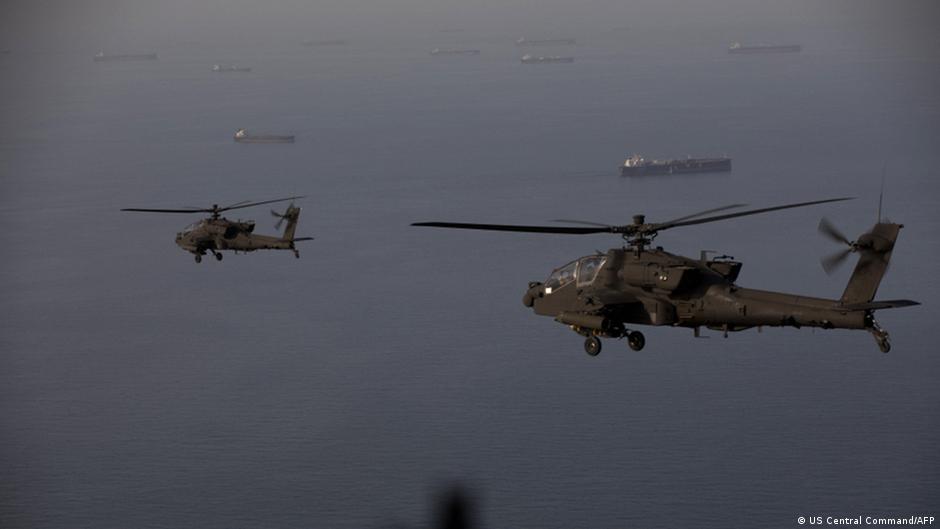
The recent escalation of armed conflict between the United States and Iran, marked by US military strikes in response to the downing of an American Apache helicopter near the Strait of Hormuz, is reverberating beyond geopolitical spheres into the global tech startup and venture capital landscape. As tensions intensify, investors and startup founders alike face heightened uncertainty over market stability and cross-border tech partnerships within the Middle East and globally.
US-Iran Conflict and Its Ripple Effects on Venture Capital and Innovation Ecosystems
On June 9, 2024, the US Central Command (CENTCOM) announced renewed airstrikes targeting Iranian air defense and radar installations near the strategic Strait of Hormuz. This military action was a direct response to Tehran's downing of a US Apache helicopter, allegedly after a collision with an Iranian drone. The incident has escalated existing tensions, with Iran pledging retaliatory measures against US forces in the region.
“Despite battlefield losses, the US is testing our resolve. Our powerful armed forces will not leave any attack unanswered,” warned Iranian Foreign Minister Abbas Araghchi.
Such geopolitical instability has historically affected venture capital inflows and startup operations, especially in geopolitically sensitive regions that serve as hubs for innovation or as emerging markets for technology solutions. The Middle East’s expanding tech ecosystem, though promising, is particularly vulnerable to political shocks that may disrupt supply chains, delay funding rounds, or limit cross-border collaborations.
For startups operating in or targeting markets around the Persian Gulf, the renewed hostilities risk increasing operational costs due to logistics challenges and insurance premiums. Moreover, venture capitalists often adopt a risk-averse stance in conflict-affected areas, causing a potential slowdown in deal-making activity. This could impede the growth trajectory of tech ventures relying on regional market access or international investor confidence.
Global investors are closely monitoring developments as the conflict threatens to destabilize supply routes critical for technology hardware imports and exports. Additionally, the uncertainty may deter multinational corporations from regional partnerships or launching pilot projects, thus constraining innovation diffusion.
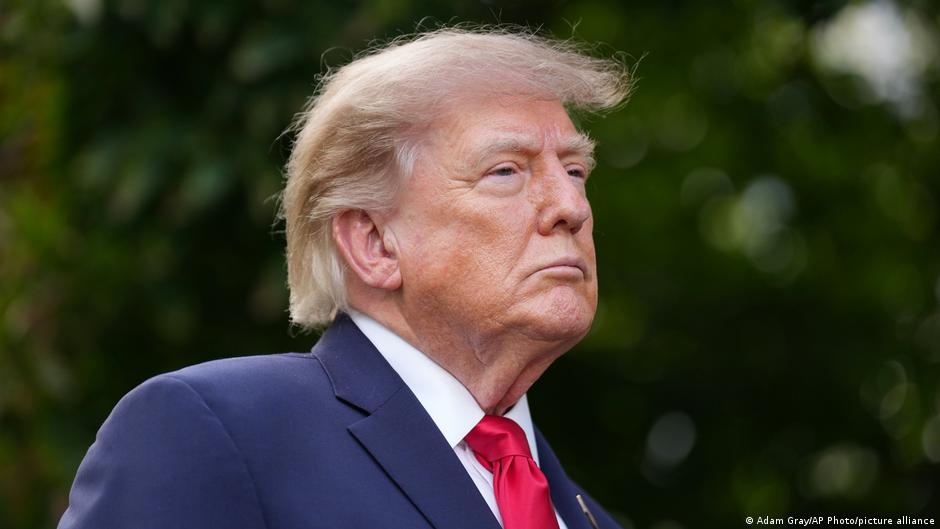
Meanwhile, the US administration signals a complex diplomatic posture. Despite military engagements, President Donald Trump indicated that peace negotiations with Iran remain within reach, suggesting the possibility of a diplomatic resolution that could stabilize the region and restore investor confidence.
Tech entrepreneurs and investors should remain vigilant to the evolving situation, balancing geopolitical risk considerations with innovation opportunities. Diversification of supply chains and exploring alternative markets are prudent strategies to mitigate exposure to regional disruptions.
Implications for M&A and Funding Landscapes
Heightened tensions can also impact merger and acquisition (M&A) activities, as cross-border deals involving firms with exposure to Middle Eastern markets may face regulatory scrutiny or delays. Due diligence processes may intensify, particularly regarding compliance, geopolitical risk assessment, and sanctions exposure.
The conflict's timing coincides with a phase where Middle Eastern governments and sovereign wealth funds have been actively investing in technology sectors to diversify their economies. Increased military engagements could redirect state resources towards defense spending, potentially reducing available capital for innovation-focused investments.
In summary, the US strikes on Iran following the Apache helicopter incident underscore the fragile geopolitical environment influencing the global venture capital and startup ecosystem. Stakeholders must weigh these risks carefully while remaining adaptive to shifting geopolitical dynamics that bear on innovation and investment flows.