US Military Strikes on Iran Raise Geopolitical Risks Impacting Tech Startup Ecosystem
Renewed US-Iran tensions following military strikes and sanctions could disrupt Middle East trade routes critical to global tech supply chains and investor confidence.
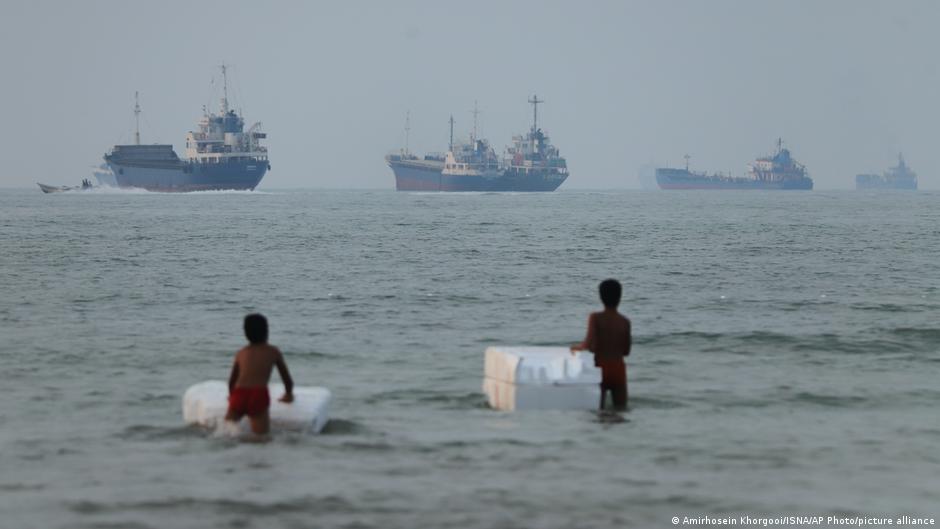
The recent US military strikes on Iran, launched in response to Tehran's attacks on commercial vessels in the strategically vital Strait of Hormuz, have intensified geopolitical instability that could ripple through the global technology and startup sectors.
Geopolitical Tensions and Their Impact on Innovation Ecosystems
On July 7, the US Central Command (CENTCOM) announced "massive" strikes targeting Iranian air defense systems, communication networks, coastal radar installations, and over 60 vessels belonging to the Islamic Revolutionary Guard Corps (IRGC). This response came after Iran was accused of attacking three commercial tankers in the narrow maritime passage that is a crucial artery for global oil and gas shipments.
Simultaneously, the US reinstated sanctions targeting Iranian oil exports, a move that Tehran condemned as a "serious violation" of existing agreements. Iranian Deputy Foreign Minister Kazem Garibabadi warned of decisive actions to protect national interests and security.
"The aggression demonstrated by Iran was unjustified, dangerous, and constituted a clear violation of the ceasefire," CENTCOM stated on social media.
The Strait of Hormuz remains a vital global trade chokepoint, with significant volumes of energy and goods transiting through it. Disruptions here can lead to increased costs and logistical uncertainties, affecting supply chains that many tech startups rely upon, especially those involved in hardware manufacturing, semiconductor production, and other capital-intensive technologies.
Moreover, the escalating conflict introduces greater risk for venture capital firms and investors considering Middle Eastern or globally connected startups. Heightened geopolitical risk often translates to increased capital costs and investor caution, potentially slowing funding rounds and mergers & acquisitions activity in technology sectors sensitive to supply chain and market volatility.
Efforts by France, the UK, and Gulf Cooperation Council countries to establish a multinational naval mission to secure maritime trade routes signal international concern over stability in the region. However, Iran's reluctance to participate in such initiatives suggests that short-term resolution remains elusive, perpetuating uncertainty.
Adding to the complexity is the stalled negotiation process between Washington and Tehran over Iran's nuclear program, US troop deployments nearby, and passage fees for vessels. The impasse threatens prolonged instability, with direct implications for startups and investors exposed to Middle East markets or global trade networks.
For technology startups, particularly those in logistics, maritime tech, and energy-related innovations, the current geopolitical tension underscores the need for adaptive strategies. Diversifying supply chains, exploring alternative markets, and building resilience into operations may become essential considerations.
In conclusion, while the US-Iran conflict centers on strategic military and diplomatic issues, its repercussions extend into the global innovation ecosystem. Venture capitalists and startup founders should closely monitor these developments to mitigate risks and identify emerging opportunities amid geopolitical shifts.