US Plans to Cut NATO Fighter Jets and Naval Assets Amid Strategic Shift to Indo-Pacific
Washington aims to reduce its military aircraft and naval contributions to NATO, impacting operational capabilities and alliance resource-sharing.
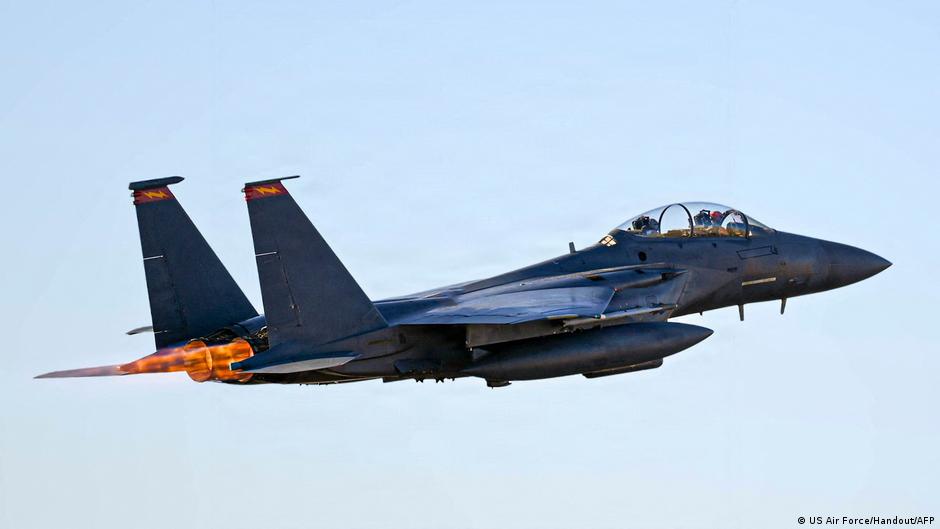
The United States is preparing to significantly reduce the number of fighter jets and naval vessels it supplies to NATO operations in Europe, according to reports from senior European officials. This move reflects a strategic reorientation of US defense priorities towards the Indo-Pacific region.
Impact on NATO's Military Capabilities and Burden Sharing
Source documents reviewed by journalists reveal that Washington intends to cut its inventory of F-16 and F-15E fighter jets deployed to Europe from around 150 down to approximately 100. Additionally, the number of maritime reconnaissance aircraft will decrease from 26 to 15. The plan includes the withdrawal of all eight air refueling tankers from Europe, along with the redeployment of a ballistic missile submarine, an aircraft carrier, several naval vessels, and dozens of aircraft assigned to the carrier's missions.
This reduction will constrain NATO's ability to conduct long-range strikes and surveillance operations, a concern raised by European partners who received the classified notice earlier this month. The shift is expected to commence imminently, catching some alliance members off guard given the accelerated timeline.
"This decision will limit NATO's capacity for long-distance strikes and reconnaissance," the report noted, highlighting the operational challenges ahead for the alliance.
Previously, the US accounted for roughly half of NATO's military strength under the burden-sharing arrangement. The forthcoming Force Sourcing Conference in June is anticipated to solicit proposals from European countries to compensate for the shortfall in US contributions, particularly in aviation and naval domains.
Broader Strategic Context and Force Reductions
In a related development, the Pentagon confirmed plans to withdraw one of its four combat brigade groups stationed in Europe, reducing the US military presence in the region to levels last seen in 2021. Each brigade group typically consists of 4,000 to 5,000 personnel with combined arms capabilities, representing a significant tactical force.
Currently, about 100,000 US soldiers and officers are deployed in Europe, with over 65,000 permanently stationed and the remainder rotating through. The planned drawdowns reflect a major shift as the US focuses on countering challenges and extending its influence in the Indo-Pacific theater.
This military repositioning is expected to have ripple effects on the European defense industry and the transatlantic security landscape. For the venture capital and startup ecosystem, these changes underscore shifting government priorities, potentially influencing defense technology investments, innovation in military tech, and transatlantic collaboration on security technologies.
Venture investors and startups engaged in defense, aerospace, and maritime technology sectors should monitor how these strategic adjustments might reshape demand for advanced systems, and the reallocation of procurement budgets within NATO countries.