US Rejects NATO Assistance in Strait of Hormuz Amid Rising Geopolitical Tensions
President Trump declines NATO support in Strait of Hormuz, highlighting shifting alliances affecting global trade routes and security.
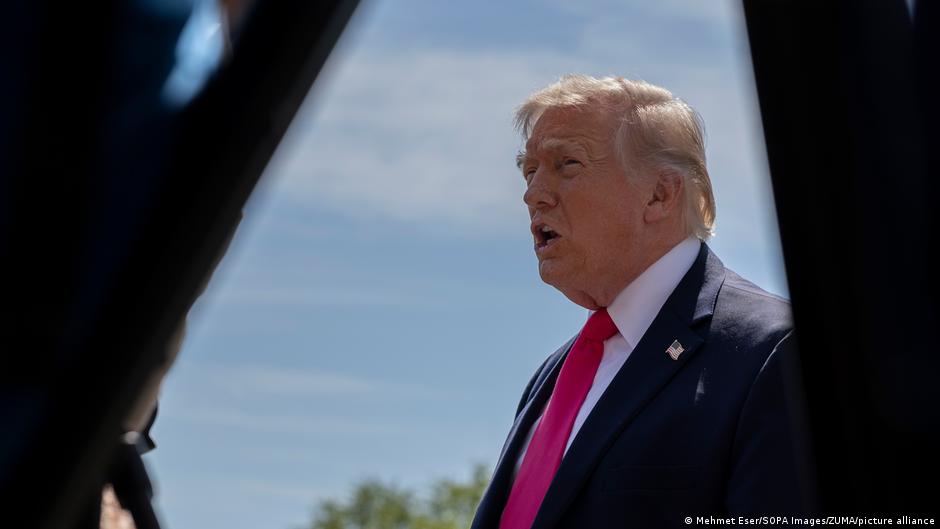
The United States President Donald Trump has publicly refused assistance from NATO regarding the security situation in the Strait of Hormuz, a critical maritime chokepoint for global oil shipments. This decision underscores evolving geopolitical dynamics that could have implications for international trade, the global energy supply chain, and the broader innovation ecosystem linked to these sectors.
Trump Labels NATO a "Paper Tiger" and Declines Support
On April 17, President Trump took to the social media platform Truth Social to announce his rejection of NATO’s offer to assist in securing the Strait of Hormuz. "Now that the situation in the Strait of Hormuz has been resolved, I received a call from NATO asking if we needed help. I told them to stay out unless they just want to load their ships with oil. They were useless when needed – paper tigers!" Trump wrote.
His statement reflects a skepticism toward multinational military alliances, signaling a preference for unilateral action or selective partnerships. This stance could influence how global security operations are coordinated in vital regions, affecting the stability required for international commerce and technological innovation reliant on uninterrupted supply chains.
European Allies Step Forward with a Peaceful Maritime Security Mission
In contrast, France and the United Kingdom have announced plans to lead a multinational mission to ensure freedom of navigation in the Strait of Hormuz "as soon as conditions permit." The announcement was made following an international conference on maritime security held in Paris on April 17.
British Prime Minister Keir Starmer emphasized the mission’s exclusively peaceful and defensive nature, aimed at protecting commercial navigation and supporting mine clearance operations. He noted that "more than a dozen countries have already offered their assistance." Such multinational efforts could foster new opportunities for startups and technology firms specializing in maritime security, surveillance, and logistics solutions.
German Chancellor Friedrich Merz also indicated Germany’s willingness to participate, contingent upon the cessation of hostilities in the Middle East and a clear legal mandate, such as a United Nations Security Council resolution. Merz stressed the desirability of US involvement for the operation’s legitimacy and effectiveness.
"This mission will be exclusively peaceful and defensive, aimed at ensuring the security of commercial navigation and supporting mine clearance," stated UK Prime Minister Keir Starmer.
Implications for Tech Startups and the Venture Ecosystem
The developments around the Strait of Hormuz highlight increasing geopolitical unpredictability that could impact sectors beyond traditional energy markets. The region’s stability is crucial for maintaining global supply chains, including those that underpin emerging technologies and startups involved in maritime logistics, cybersecurity, and defense innovations.
Venture capital firms and startups in the tech space should closely monitor these geopolitical shifts, as disruptions in shipping lanes or changes in international cooperation models may lead to new market demands for advanced surveillance technology, autonomous vessel navigation, and secure communication systems.
Moreover, the differing approaches between the US and European allies suggest a potential fragmentation of international security efforts, which could spur innovation hubs to develop decentralized and resilient technologies that reduce dependency on single geopolitical actors.
Ongoing Regional Conflicts and Their Broader Effects
While the Paris conference addressed maritime security, the broader Middle East conflict persists. Trump and Iranian Foreign Minister Abbas Araghchi announced a temporary opening of the Strait of Hormuz for commercial vessels during a ceasefire in Lebanon. Nonetheless, US sanctions on Iranian ports remain in effect until a comprehensive agreement is reached.
Notably, just a day before the ceasefire, Trump announced a 10-day ceasefire between Israel and Lebanon starting April 17. However, violations were reported shortly after, with Lebanon accusing Israel of breaching the ceasefire and Israel continuing operations against Hezbollah.
These ongoing tensions contribute to an uncertain environment for investors and startups operating in or dependent on the region, underscoring the need for adaptive strategies and innovative risk mitigation technologies.