US Sanctions Cuban State Oil Company Amid Escalating Political and Economic Pressure
Washington targets Cuba's state energy firm CUPET, intensifying impact on the island's economic and innovation landscape.
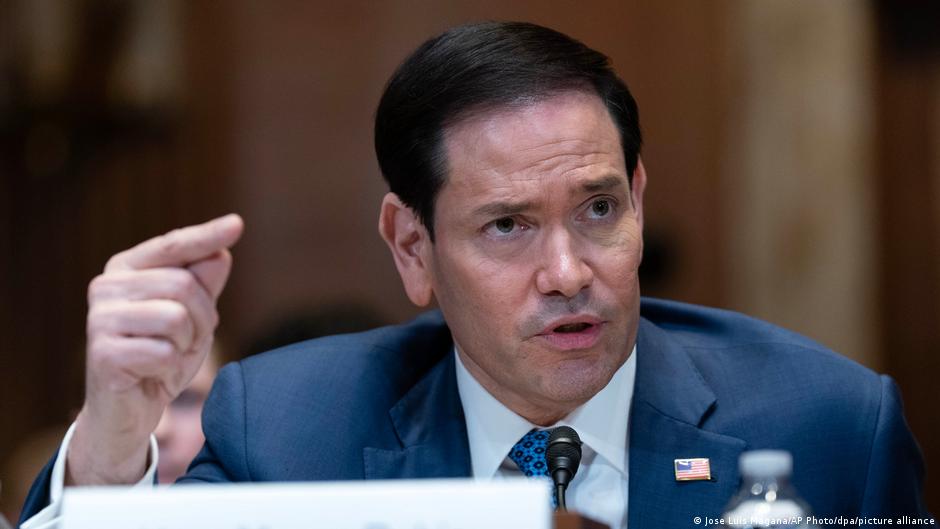
The United States government has imposed sanctions on Cuba's state-owned oil and gas company, Union Cuba Petroleo (CUPET), marking a significant escalation in economic pressure against the Cuban regime. The announcement was made by US Secretary of State Marco Rubio on June 11, citing concerns over the Cuban Communist elite’s use of energy resources as tools for social control and kleptocratic gain.
Implications for Cuba’s Energy Sector and Innovation Ecosystem
CUPET’s inclusion on the US sanctions list restricts American individuals and entities from engaging in business with the company. Furthermore, the sanctions extend to non-US persons conducting transactions with CUPET, signaling a broader attempt to isolate the state energy firm from international markets.
This move comes amid a worsening economic crisis in Cuba, which faces severe fuel shortages and electricity outages. The disruption of Cuban-Venezuelan oil supplies, once a vital lifeline, has compounded the island's energy challenges. Venezuelan President Nicolás Maduro’s recent capture and subsequent removal to the US led to Washington pressuring Venezuela to cease oil exports to Cuba, deepening the energy scarcity.
"Until the Cuban people achieve greater economic and political freedom, the US will continue to strike at the regime's ability to exploit energy trade for corrupt and oppressive purposes," stated Secretary Rubio.
For the Cuban tech startup environment, these sanctions present both direct and indirect ramifications. While CUPET itself is not a technology firm, its dominance over the energy sector means that ongoing fuel shortages could severely hinder the operational capacities of startups reliant on stable power and fuel supplies. Furthermore, increased economic isolation may dampen foreign investment and complicate potential mergers and acquisitions, critical elements for a thriving innovation ecosystem.
The sanctions form part of a broader US strategy targeting Cuba’s political leadership and economic infrastructure. Earlier in June, the White House imposed sanctions on Cuban President Miguel Díaz-Canel and relatives of former leader Raúl Castro. These targeted actions underscore the US government's intent to pressure the Cuban regime through economic restrictions that ripple through its governance and state-run industries.
Given Cuba’s proximity to the US market and its historical embargos dating back to 1962, these latest sanctions could accelerate efforts by Cuban startups and entrepreneurs to seek innovative energy solutions and diversify suppliers. However, the current political climate and resource constraints pose significant challenges for venture capital inflows and startup growth.
As geopolitical tensions continue to define the US-Cuba relationship, the Cuban innovation ecosystem may face a critical juncture. Investors and startup founders will need to navigate a complex landscape shaped by sanctions, energy scarcity, and political unpredictability.