US Senate Votes to End Military Conflict with Iran, Signaling Potential Shift in Geopolitical Stability
Senate resolution urges withdrawal of US troops from conflict zones with Iran, reflecting growing bipartisan concern over prolonged hostilities and implications for global tech and innovation ecosystems.
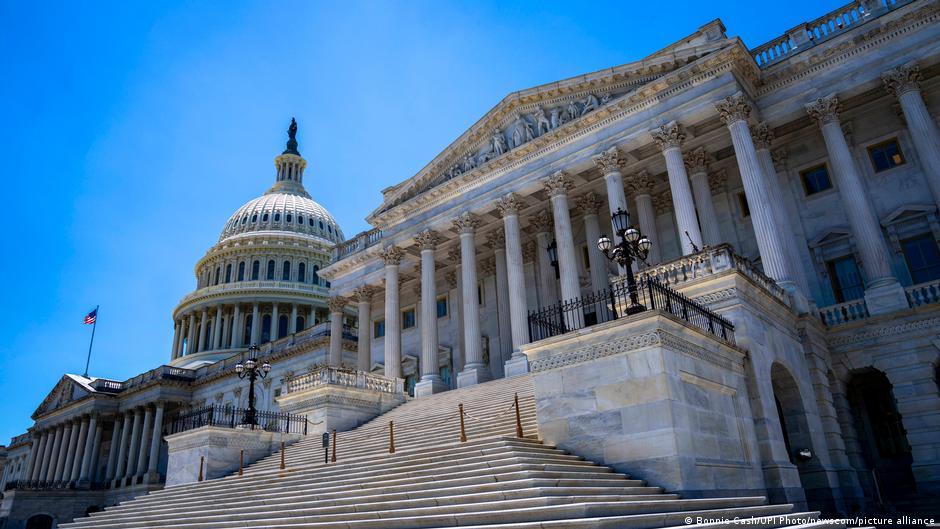
On June 23, the United States Senate narrowly approved a resolution calling for the withdrawal of American troops from military engagements involving Iran. The vote, which passed 50 to 48, mirrored an earlier approval by the House of Representatives and highlights increasing bipartisan apprehension about the ongoing conflict that began in February 2026 involving the US, Israel, and Iran.
Impact of the Senate Resolution on Tech Startups and Venture Capital
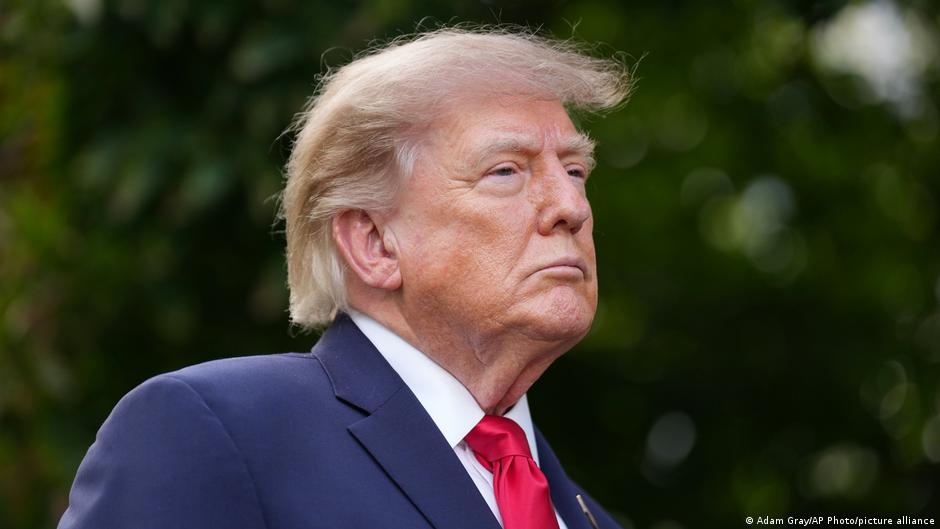
While the resolution itself holds largely symbolic weight and lacks legal enforceability—meaning President Donald Trump is not compelled by law to act on it—the political momentum behind it signals a potential de-escalation in military tensions. This development could have meaningful consequences for the technology and innovation sectors, particularly startups and venture capital (VC) investments that are sensitive to geopolitical risks.
The ongoing conflict in the Middle East has contributed to uncertainty in global markets, affecting investor confidence and supply chain stability, especially in industries reliant on advanced materials and technologies sourced from or linked to the region. A de-escalation driven by such congressional signals may ease volatility, boosting investor appetite for risk and innovation-focused ventures.
"Congress must clearly signal that renewed military action cannot proceed without its consent," stated the Democratic senators who initiated the resolution, underscoring the legislative branch's desire to regain authority over foreign military engagements.
From a venture capital perspective, the easing of conflict could facilitate smoother international collaboration and investment flows, particularly in sectors like cybersecurity, defense technologies, and infrastructure resilience, which have seen shifts in funding priorities amid heightened geopolitical tensions.
Furthermore, ongoing peace negotiations between Washington and Tehran, including a recent memorandum of understanding signed in mid-June 2026, are poised to lift sanctions on Iran and establish reconstruction funds. These outcomes may open new markets and opportunities for startups specializing in energy, infrastructure, and financial technology, potentially attracting fresh VC interest.
Despite the resolution's symbolic nature, the US administration downplayed its significance, citing the absence of active combat operations since the ceasefire agreement reached on April 17. However, intermittent exchanges of hostilities have persisted, prompting diplomatic efforts to solidify lasting peace and stability.
President Trump recently disclosed partial agreements addressing nuclear oversight, sanctions relief, and maritime navigation in the strategic Strait of Hormuz. Notably, Iran’s consent to international inspections at nuclear facilities has been pivotal in keeping diplomatic channels operational.
For the global startup ecosystem, especially those operating in or investing in emerging markets, these geopolitical shifts could redefine risk assessments and open avenues for innovation-led growth in the Middle East and beyond.