Anti-Government Protests in Serbia Disrupt Political Stability and Impact Startup Ecosystem
Continued unrest challenges Serbia’s innovation environment amid government instability and public dissent.
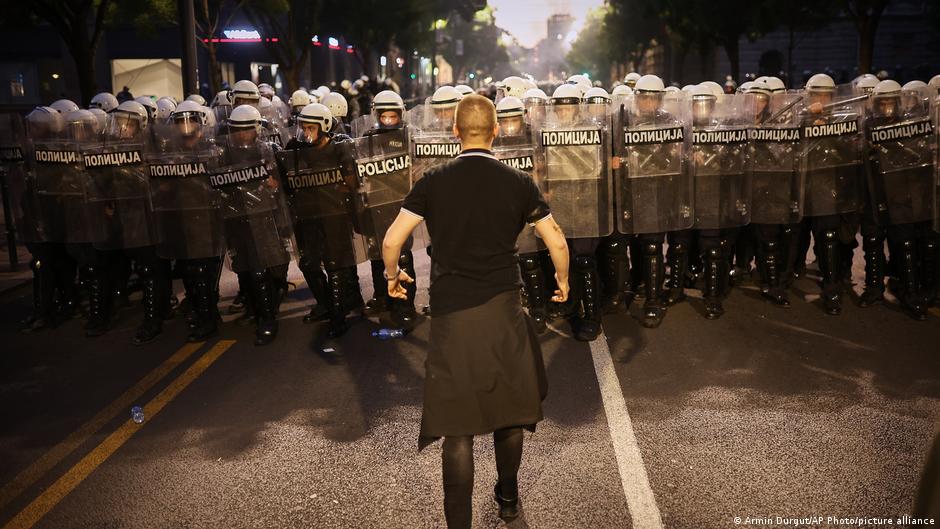
Serbia is experiencing significant political turmoil as anti-government protests escalate in the capital, Belgrade, impacting the country’s broader economic and innovation landscape. Originating in November 2024 following a fatal accident at a renovated railway station in Novi Sad, the protests have expanded into a sustained movement demanding accountability and governmental change.
Protest Impact on Serbia's Tech and Startup Scene
The unrest erupted near Pionirski Park in central Belgrade during a student-led rally, which attracted tens of thousands of participants. The protests have repeatedly caused disruptions in urban mobility and public safety, with police deploying tear gas and stun grenades against demonstrators. The government’s reaction, involving arrests and heavy security measures, reflects deep political instability that could ripple through Serbia’s burgeoning tech startup ecosystem.
“Those who attacked police ensuring security after the public gathering will be held accountable under the law,” stated the Belgrade prosecutor’s office, highlighting the tense confrontation between citizens and law enforcement.
The protests are rooted in allegations of corruption and negligence linked to the construction failure that caused 16 fatalities, fueling widespread distrust of leadership under President Aleksandar Vučić. This sustained unrest threatens to undermine investor confidence, crucial for venture capital inflows and startup growth in Serbia.
Despite attempts by the government to curb mass mobilization—including cancelling all train services to Belgrade to prevent influx from other cities—the movement maintains momentum. This persistent instability poses challenges for tech entrepreneurs who rely on a stable social environment and infrastructure to innovate and scale.
After the resignation of Prime Minister Miloš Vučević in early 2025, and the appointment of Djuro Mačut, a medical professor, as the new head of government, the political climate remains volatile. President Vučić emphasized the importance of maintaining election schedules despite protests, signaling ongoing tensions ahead of the 2026 parliamentary elections.
The repeated clashes, including a September 2025 episode where over 40 people were detained and several police officers injured, have heightened concerns about Serbia’s governance and rule of law. For the startup community and venture capitalists, these political uncertainties could translate into increased risk and cautious capital deployment.
Serbia’s ambition to develop as a technology hub in Southeast Europe depends on political stability, transparent governance, and a supportive innovation ecosystem. The current crisis underscores the intricate link between political conditions and the environment for entrepreneurial ventures and investment.
As Serbia navigates these challenges, the tech sector and investors will closely monitor the government's ability to restore order, ensure regulatory clarity, and sustain economic reforms that foster innovation and startup growth.