Ballistic Missile Strike on Kyiv Raises Concerns for Ukraine’s Tech Startup Ecosystem
Missile attacks causing casualties and infrastructure damage may impact Kyiv’s growing innovation and venture capital environment.
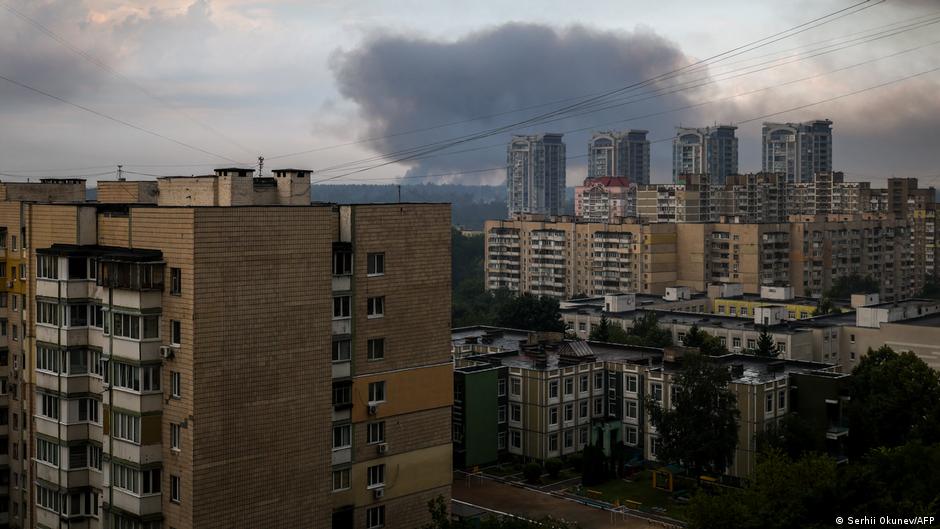
In the early hours of August 20, ballistic missile strikes targeted Kyiv, resulting in at least five fatalities and multiple injuries, alongside significant damage to residential buildings and critical infrastructure, including a children’s hospital.
The assault, carried out by the Russian military, has raised alarm bells not only for the immediate humanitarian and urban impact but also for the potential consequences on Kyiv’s burgeoning technology startup ecosystem. As Ukraine seeks to bolster its position as an emerging hub for innovation and venture capital, sustained conflict threatens key elements of stability required for this growth.
Impact on Kyiv’s Innovation and Venture Capital Environment
Kyiv has increasingly become a focal point for tech startups in Eastern Europe, attracting investments from local and international venture capitalists. The recent missile strikes led to damage of residential high-rises, a children’s hospital, and other facilities across multiple districts, including Solomianskyi, Darnytskyi, and Sviatoshynskyi.
According to local officials, debris from the missiles damaged a five-story residential building, shattering windows and causing fires, while the upper floors of a nine-story residential complex were destroyed. The damage to infrastructure not only disrupts daily life but also raises concerns for the safety and operational continuity of startups and their employees living or operating in affected areas.
"14 individuals were hospitalized while others received medical care on site," reported Kyiv’s mayor, emphasizing the toll on the city’s workforce and families.
Moreover, the damage and destruction of medical facilities—including a children’s hospital where vehicles caught fire—highlight the broader societal strain, potentially diverting resources and attention away from economic development and innovation efforts.
Reports also indicated missile strikes on warehouses near Brovary, a key logistics hub in the Kyiv region, which may indirectly impact supply chains and distribution networks relevant to startups and tech companies reliant on hardware or physical products.
The ongoing conflict and associated infrastructural damage risk undermining investor confidence. Venture capital tends to gravitate toward regions offering political stability and secure physical environments. Prolonged insecurity in Kyiv could delay or reduce VC funding rounds, mergers and acquisitions, and partnerships essential for ecosystem growth.
Ukraine’s government and local administrations face the dual challenge of ensuring public safety and sustaining the momentum of tech sector development amid ongoing hostilities. The resilience of Kyiv’s startup community will be tested, with digital infrastructure, remote work capabilities, and international collaborations potentially mitigating some risks.
However, the human cost and infrastructural damage underline the urgent need for conflict resolution to preserve the city’s long-term potential as a technology and innovation hub.