Belarus Army Checks Add New Risk Layer for Startups Near Ukraine Border
Alexander Lukashenko says Belarus will keep testing its armed forces up to mobilization, sharpening geopolitical risk for the region’s technology ecosystem.
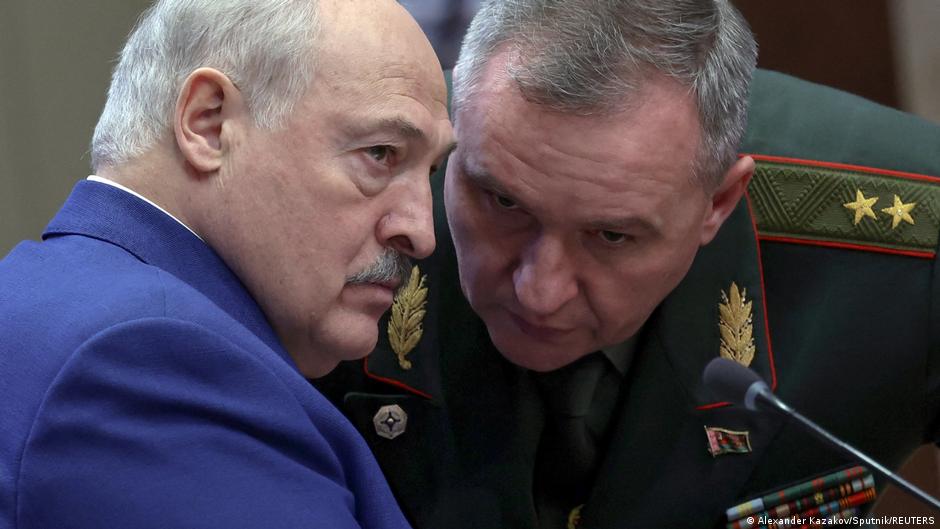
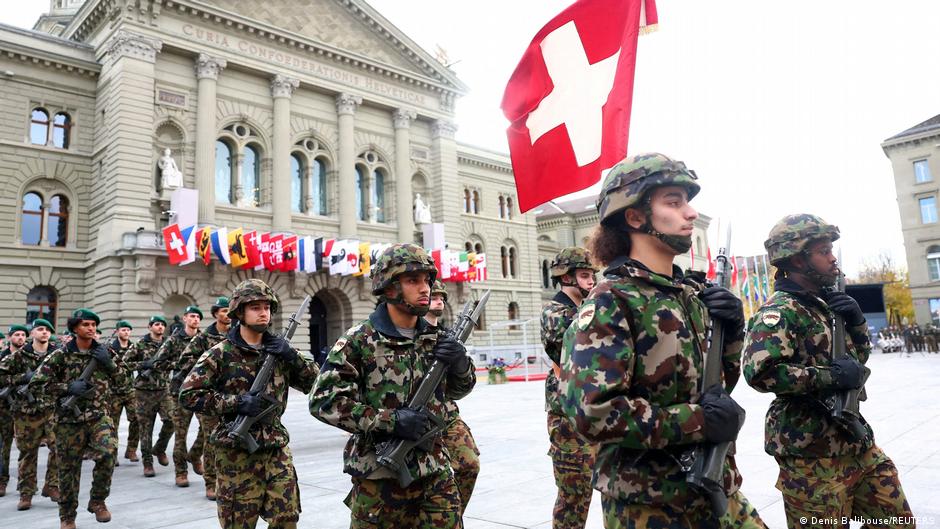
Belarusian leader Alexander Lukashenko has announced that inspections of the country’s armed forces will continue and could extend “up to mobilization,” a signal that adds another layer of geopolitical uncertainty for technology startups, investors and cross-border operators across Eastern Europe.
Speaking to journalists on Friday, September 11, at the Obuz-Lesnovsky combined-arms training ground in the Brest region, Lukashenko said the time had come to “shake up” the entire army. His remarks were reported by the state news agency BelTA.
“We are preparing for war so that there will be none,” Lukashenko said.
According to Lukashenko, inspections have already taken place in tank and motorized rifle units, while checks are now under way in an artillery brigade. He said all of Belarus’s armed forces would be reviewed, including mobilization readiness.
“Everything must be as in combat,” he said, describing the approach as a lesson from what Russian authorities call the “special military operation,” their term for the war in Ukraine. “That is how our troops should be trained. Therefore, we will shake up all the armed forces.”
Security Signals Matter for Capital Flows
For VentureLine’s startup and venture capital readership, the announcement is less about battlefield tactics than about the wider risk environment around Belarus, Ukraine and neighboring markets. Military alerts, border infrastructure, drone-related claims and mobilization language can influence how investors assess country exposure, talent location, operational continuity and exit risk.
Belarus has long been part of the region’s technology labor map, with founders, engineers and product teams connected to broader Eastern European startup networks. Since Russia’s full-scale invasion of Ukraine, however, investors have increasingly treated geography, sanctions exposure, personnel mobility and political alignment as core components of due diligence. Lukashenko’s latest comments are likely to reinforce that framing.
Venture investors evaluating companies with Belarus-linked teams may focus on practical questions: whether key employees can travel, whether customers or suppliers face compliance hurdles, whether infrastructure could be affected by military activity, and whether incorporation, banking or intellectual property arrangements need to be moved to more predictable jurisdictions. None of those questions is new, but renewed talk of mobilization can raise their urgency.
The remarks may also affect merger and acquisition planning. Strategic buyers and later-stage investors tend to discount assets with unresolved geopolitical exposure, especially where employees, code repositories, contractors, or revenue operations depend on jurisdictions that could face new restrictions or sudden disruptions. Even without a direct military escalation, prolonged uncertainty can complicate timelines for fundraising and exits.
A Personal Detail With Political Weight
Lukashenko also said that his youngest son, 22-year-old Nikolai, is serving in the army. He said that “no one even knew” and that Defense Minister Viktor Khrenin had called him up. Lukashenko described Nikolai as a lieutenant serving “as he should, like everyone else,” adding that he would not disclose where he is stationed but said it was “in the most difficult unit.”
The detail carries symbolic value inside Belarus’s political system. It also has an unusual link to the innovation economy: Lukashenko said Nikolai continues to study biotechnology in his free time. This summer, Nikolai received a diploma from a joint Biotechnology program run by Peking University and Belarusian State University.
That combination of military service and biotechnology education underscores how Belarus’s political leadership presents national defense, state education and advanced technical fields as overlapping priorities. For investors, the more relevant point is that the country’s innovation pipeline remains deeply embedded in state institutions, which may create opportunities in scientific training while also heightening political and regulatory dependency.
Ukraine’s Earlier Warnings
The latest statement follows earlier warnings from Kyiv about Belarusian military-linked activity near the Ukrainian border. In spring 2025, Ukrainian President Volodymyr Zelensky said Belarus had started building roads and equipping artillery positions near the frontier.
Zelensky said at the time that Ukraine believed Russia would again try to draw Belarus into its war. He linked Belarus’s actions to a regrouping of Russian forces, which, according to the Ukrainian president, Russia’s military command was carrying out to compensate for a shortage of personnel.
At the beginning of the summer, Zelensky also said Lukashenko had one week to remove drone repeaters from two Belarusian regions bordering Ukraine. Zelensky said those repeaters were being used to adjust Russian unmanned aerial vehicle strikes against Ukraine.
“If he does not do it, we will,” Zelensky said at the time.
A few days later, the Ukrainian president said the repeaters were no longer operating.
For founders and funders, these episodes point to a persistent problem: regional risk can evolve through technical infrastructure as much as through troops or armor. Roads, artillery positions, communications relays and drone-support systems all shape the operating environment for companies that depend on connectivity, logistics and cross-border teams.
The broader innovation ecosystem has already adapted to years of disruption through relocation, remote-first work, alternative incorporation structures and distributed engineering teams. But each new security signal can change investor assumptions about where to base personnel, how to structure ownership, and how much valuation discount should apply to geopolitical exposure.
Lukashenko’s language does not by itself establish that Belarus is entering the war directly. It does, however, keep mobilization readiness and wartime preparation at the center of public messaging. For startups and venture funds with exposure to Belarus or neighboring markets, that is a material signal: the region’s technical talent remains significant, but the risk premium attached to operating there is unlikely to fade while military preparedness remains a public priority.