Drone Attacks Ignite Fires at Oil Facilities in Russia’s Rostov and Saratov Regions
Recent UAV strikes damaged fuel storage and refinery infrastructure, raising concerns for energy sector startups and investment climate in Russia.
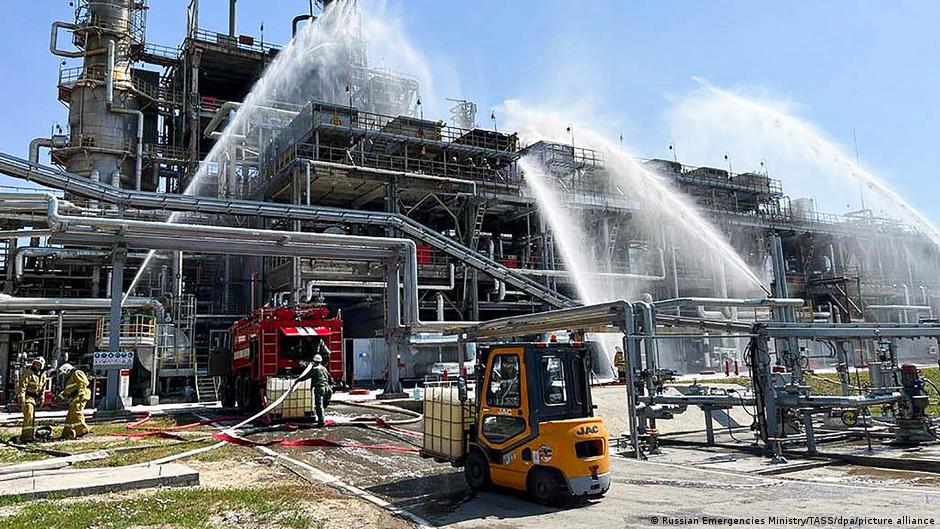
On the night of May 31, a drone attack triggered a fire at a fuel storage facility in the Matveev-Kurgan district of Rostov Region, Russia, according to regional authorities. The incident, reportedly caused by the debris from an unmanned aerial vehicle (UAV), affected a private enterprise supporting agricultural producers.
Governor Yuri Slyusar announced the event via his Telegram channel, noting that residents near the affected private homes were evacuated as a safety precaution. Emergency services, including a fire train, responded promptly to contain the blaze. Fortunately, no casualties have been reported so far.
In addition to the fuel storage fire, the attack damaged local infrastructure in Matveev-Kurgan, including a pharmacy, two shops, and a vehicle. Local Telegram sources reported an unusual “oil rain” phenomenon following the strike, highlighting the significant fuel spill.
Impact on Energy Infrastructure and Regional Innovation Ecosystem
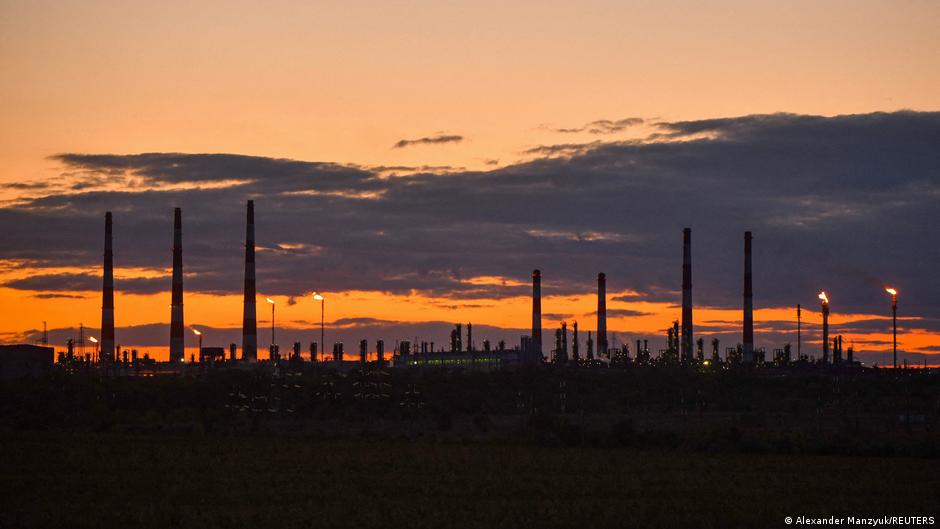
Similar strikes were reported in the Saratov Region, where Governor Roman Busargin confirmed damage to civilian infrastructure following an overnight drone attack. While authorities have not specified the exact sites affected, OSINT channels and local media sources identified the target as the Saratov Oil Refinery (NPT), a facility with a history of previous attacks. Visual evidence circulated on Telegram depicts extensive fire damage at the refinery.
These attacks on critical energy infrastructure have broader implications for the regional innovation and investment ecosystem. The Rostov and Saratov regions are home to several technology startups and agricultural ventures reliant on stable fuel supplies and logistical frameworks. Disruptions caused by such attacks may deter venture capital interest in emerging enterprises dependent on these resources.
"The repeated targeting of oil-processing facilities undermines the stability essential for growth of tech startups and innovation-driven companies in the region," analysts observe.
While no injuries have been reported, the economic ripple effects could be substantial. Fuel shortages or price volatility may increase operational costs for startups, complicate supply chain logistics, and reduce investor confidence. The attacks may also prompt increased security expenditures by private enterprises, further squeezing budgets crucial for research and development.
For venture capitalists and stakeholders monitoring the Russian tech startup ecosystem, these developments highlight the challenging environment for innovation in regions impacted by geopolitical conflict. As energy infrastructure forms a backbone for industrial and technological advancement, sustained disruptions threaten to slow down entrepreneurial momentum and M&A activities.
Looking ahead, the resilience of local businesses and startups will depend on adaptive strategies, including diversification of supply chains and investment in security technologies. For VCs, risk assessment models must increasingly account for geopolitical risks when evaluating opportunities in affected Russian regions.
In summary, the drone strikes in Rostov and Saratov underscore the vulnerability of energy infrastructure to emerging warfare technologies and illustrate the potential cascading effects on regional economic growth, innovation ecosystems, and venture capital investment climates.