Drone Attacks in Russia’s Border Regions Raise Security Concerns for Tech and Infrastructure Startups
Recent drone strikes in Russia’s Kursk and Belgorod regions result in casualties and heightened security measures impacting regional innovation ecosystems.
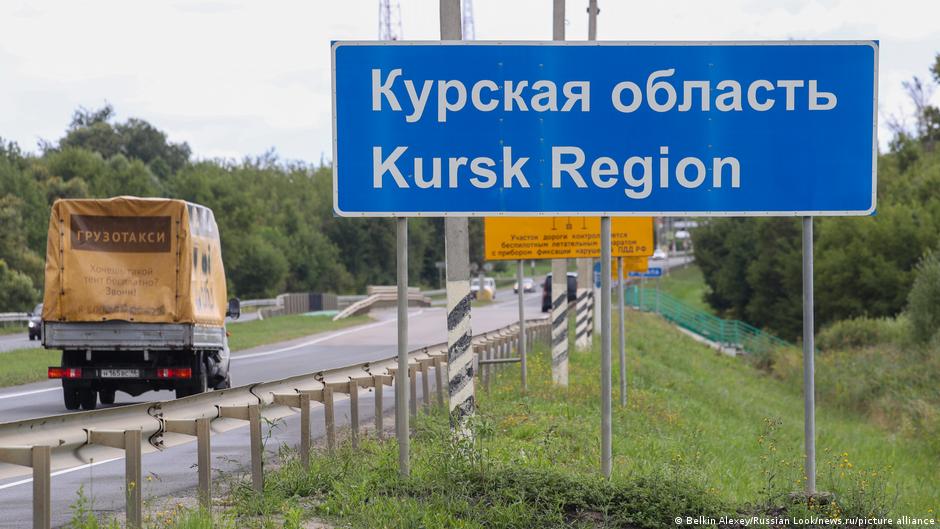
Recent attacks involving unmanned aerial vehicles (UAVs) in Russia’s western border regions have caused fatalities and injuries, underscoring emerging challenges for technology startups and the innovation ecosystem in affected areas. On August 5, a drone strike in the Kursk region resulted in one death and six injuries after a UAV hit a private residence in the village of Kozyrevka, Bolshevolodsky District.
Additional casualties were reported in the neighboring Belgorod region where two people were injured during similar attacks in the Shebekino district. Among the wounded was a member of the volunteer unit "Orlan," highlighting the ongoing security tensions in the region.
Impact on Regional Tech and Innovation Ecosystem
These incidents have prompted immediate security responses, including temporary restrictions on transportation and heightened drone detection protocols, particularly near major urban centers like Moscow and Yaroslavl.
"The increased use of drones in conflict zones not only poses direct threats but also disrupts the stability critical for emerging tech sectors to thrive," said an industry analyst.
For startups operating in technology, logistics, and infrastructure sectors, the drone threats introduce operational uncertainties and potential risks to physical assets and personnel. Regional innovation hubs, often reliant on safe and stable environments to attract venture capital (VC) and talent, may face setbacks due to security concerns and restricted mobility.
In Moscow, city authorities reported the interception and destruction of three drones targeting the capital in the early hours of August 6, with no casualties or damage reported. Meanwhile, in Yaroslavl, authorities closed off certain transportation routes to prevent potential drone incursions, advising residents to avoid travel toward Moscow along specific corridors.
These events could affect the risk assessment of investors considering participation in startups within these regions. The increased geopolitical volatility may lead venture capitalists to reassess funding strategies or favor startups with strong cybersecurity and defense capabilities.
Moreover, technology firms engaged in drone detection, counter-UAV systems, and related security solutions might experience increased demand, potentially attracting more venture capital interest. This dynamic may stimulate innovation in defense-oriented tech startups but also complicate the broader startup ecosystem by imposing new operational challenges.
As regional administrations respond with enhanced security controls, startups may need to adapt by incorporating crisis management strategies and increasing collaboration with local authorities to sustain growth trajectories.
These developments underscore the intertwining of geopolitical security issues with the technology and innovation landscape, emphasizing the need for resilience and adaptability among startups and investors in affected regions.