Escalating Middle East Conflict Raises Uncertainty for Tech Startups and Venture Funding
Recent Israeli strikes on Iran and retaliatory attacks heighten regional instability, posing risks to startups and venture capital flows in the Middle East tech ecosystem.
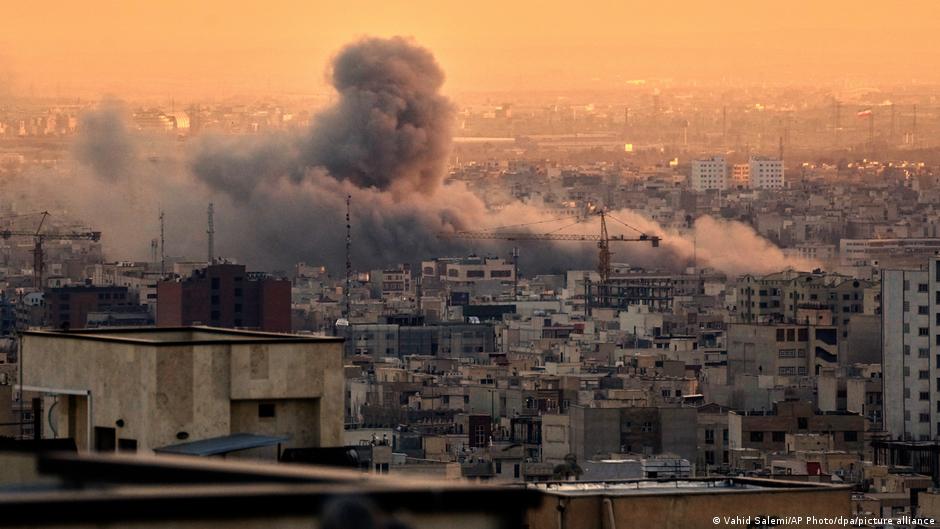
In a significant escalation of tensions, Israel’s military has launched air strikes on targets within Iran, responding to recent missile attacks from Tehran. This development adds complexity to the geopolitical landscape of the Middle East, where technology startups and venture capital investors are already navigating a fragile environment.
Military Actions and Regional Repercussions
On June 8, the Israel Defense Forces (IDF) confirmed air attacks on unspecified locations in western and central Iran, marking a direct Israeli response to missile strikes launched by Iran the previous day. These exchanges have caused widespread alarm across Israel, including school closures and civil defense alerts urging citizens to seek shelter.
Iran characterized Israel’s strikes as a "warning" following Israeli attacks on Hezbollah targets in Lebanon’s Beirut earlier the same day. Israeli Prime Minister Benjamin Netanyahu and Defense Minister Israel Katz emphasized that the IDF’s operations targeted “terrorist headquarters,” indicating a strategic focus on destabilizing militant networks in the region.
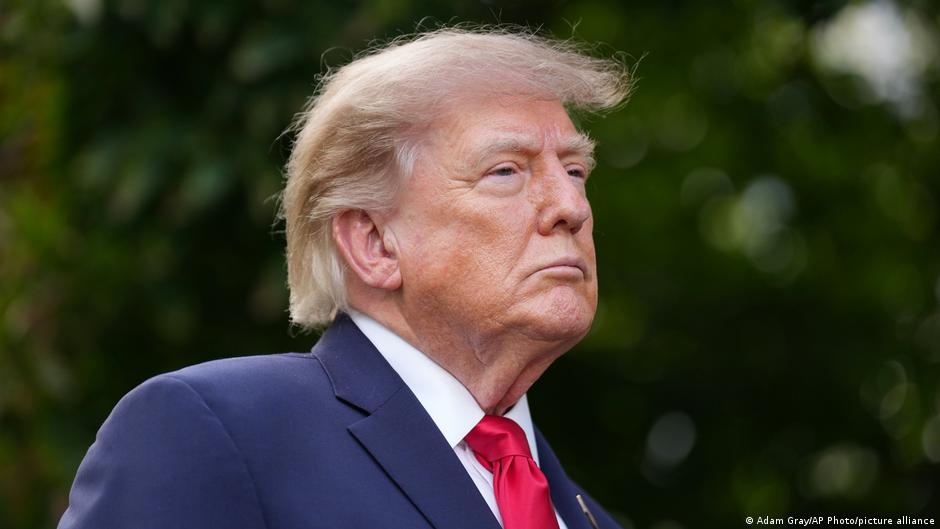
These tit-for-tat military actions occur amid ongoing diplomatic efforts led by the United States to broker a peace agreement with Iran. President Donald Trump has publicly expressed his intention to finalize a settlement that would address longstanding conflicts, including Iran’s nuclear ambitions.
"All decisions are mine to make. Netanyahu will accept any peace deal that suits Washington," Trump told the Financial Times, underscoring U.S. dominance in the negotiation process.
While preliminary framework agreements have reportedly been reached between U.S. and Iranian negotiators, Washington insists on stringent conditions, notably Iran’s renunciation of nuclear weapons development. Tehran, for its part, maintains that a final agreement has yet to be achieved.
Potential Impact on Tech Startups and Venture Capital
The instability generated by the renewed military conflict threatens to disrupt the nascent but rapidly growing tech startup ecosystems in Israel and the broader Middle East. Israel, often dubbed the "Startup Nation," has attracted substantial venture capital investments, bolstered by its innovation in cybersecurity, artificial intelligence, and defense technologies.
Heightened regional risks can reduce investor confidence, delay funding rounds, and complicate international partnerships. Venture capitalists may adopt a more cautious approach, reassessing the geopolitical risks when backing startups in conflict-affected zones. Additionally, the uncertainty may redirect capital flows toward safer markets or sectors perceived as insulated from geopolitical shocks.
Conversely, defense and security technology startups could see increased attention and funding as governments prioritize military capabilities and cyber defense solutions amid escalating tensions. This reallocation of resources might spur innovation within specialized tech niches linked to national security.
Furthermore, prolonged conflict could impact talent mobility and international collaborations crucial to the technology sector's growth. Restrictions on movement and heightened security protocols may hinder the exchange of ideas and slow down the pace of innovation.
Outlook for the Innovation Ecosystem
While the Middle East’s innovation ecosystem has demonstrated resilience in the face of political upheaval, sustained conflict poses significant challenges. Stakeholders including startup founders, investors, and policymakers must navigate these complexities carefully to sustain growth and maintain global competitiveness.
Diplomatic breakthroughs could unlock greater stability, encouraging renewed investment and cross-border collaboration. Until then, the tech ecosystem remains vulnerable to the broader geopolitical dynamics shaping the region.