Iran's IRGC Mines Tanker in Strait of Hormuz Amid Rising Maritime Tensions Impacting Energy Logistics
Iran's Revolutionary Guard Corps escalates control over Strait of Hormuz, disrupting tanker routes and raising stakes for regional maritime security and energy transport.
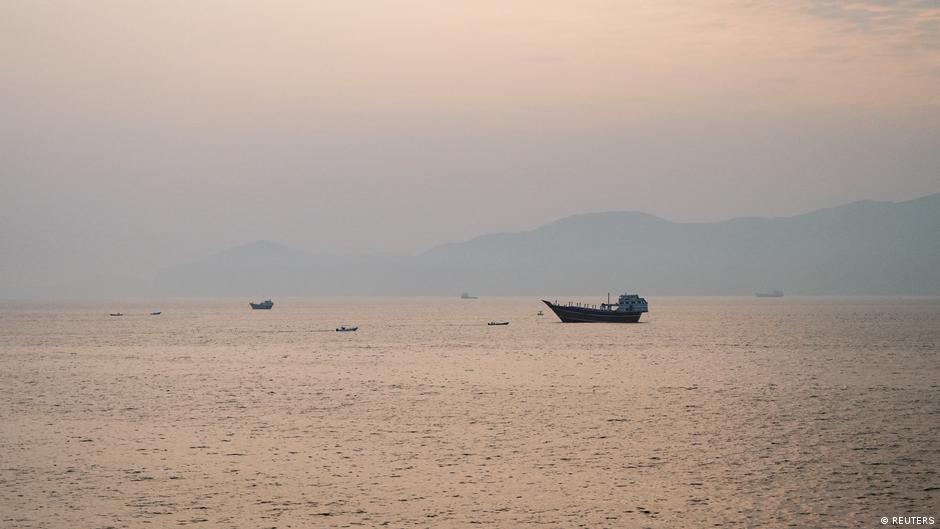
The Islamic Revolutionary Guard Corps (IRGC) of Iran has confirmed the sabotage of an oil tanker navigating the Strait of Hormuz without Tehran's authorization, signaling heightened tensions in a strategically critical maritime corridor for global energy supplies. The IRGC has pledged to continue targeting vessels attempting to transit the strait without Iranian approval, a move that is expected to reshape risk calculations for international shipping and energy trade in the region.
Disruption in a Vital Energy Corridor
According to a report released by Iran's Tasnim news agency on July 23, an oil tanker struck a mine laid by the IRGC along a route south of the Strait of Hormuz. The press release from the IRGC detailed that three tankers, allegedly influenced by the US military, attempted to traverse the mined passage. Following an explosion and a severe fire on one of the vessels, the other two aborted their passage and turned back.
The IRGC’s naval forces have declared their intention to maintain a blockade of the Strait of Hormuz as long as the United States continues what Tehran describes as "aggressive actions" in the region. This escalation underscores the growing volatility around one of the world's most important chokepoints for oil transportation, where roughly a fifth of global petroleum passes annually.
"Any vessel attempting to cross the strait without coordination with Iran will face the same fate as the mined tanker," the IRGC statement warned, indicating ongoing risks for maritime traffic in the area.
Adding to the regional maritime tensions, the Financial Times reported on July 23 that satellite imagery suggests the tanker Kavomaleas, owned by Greek shipping magnate Georgios Prokopiou, was towed into Iranian waters after it was struck in the Strait of Hormuz on July 19. The vessel had been en route from Oman towards the Persian Gulf when it was hit by two projectiles, causing a fire in the engine room and forcing the crew to evacuate.
European Space Agency (ESA) satellite images from July 21 show a vessel matching the size and deck color of Kavomaleas near Iran's Larak Island, with smoke emanating from the engine compartment. Analysts indicate a high likelihood that the tanker was seized by Iranian forces. The tanker was reportedly carrying over 500,000 barrels of oil, and satellite data revealed an oil slick trailing behind, consistent with damage from the attack.
Dynacom, the company owning the Kavomaleas, stated it had not authorized any movements of the tanker and is currently investigating its whereabouts. This incident marks the third tanker seizure by Iranian forces since the escalation of hostilities involving the US and Israel against Iran, with at least 45 vessels attacked in the ongoing conflict.
Implications for Tech Startups and Venture Capital in Maritime Security and Energy Tech
The intensification of maritime conflict in the Strait of Hormuz poses significant challenges but also potential opportunities for startups and venture capital investors focused on maritime security, energy logistics, and satellite surveillance technologies. The disruption of tanker routes calls for enhanced tracking, automated risk assessment, and alternative energy transportation solutions that leverage emerging technologies such as AI-driven satellite imagery analysis, blockchain-based supply chain transparency, and autonomous maritime systems.
Investors should note that as geopolitical risks escalate, demand for innovative technologies that enable real-time monitoring and secure navigation through conflict zones will likely surge. Additionally, startups developing alternative energy logistics platforms or decentralized energy trade models may gain traction as firms seek to mitigate reliance on vulnerable chokepoints.
"The evolving situation in the Strait of Hormuz highlights the strategic importance of integrating cutting-edge surveillance and risk mitigation technologies into maritime operations," said an industry expert. "For venture capitalists, this represents a critical juncture to support innovation that enhances resilience within the global energy supply chain."
In conclusion, the IRGC’s recent actions in the Strait of Hormuz underscore a volatile environment with direct implications for global energy markets and maritime security startups. The interplay between geopolitical risk and technological innovation will be a defining factor shaping the future of energy logistics and venture investments in related sectors.