Russian State Duma Revises Fuel Dampener Mechanism to Stabilize Domestic Market Prices
New tax code amendments aim to enhance fuel supply stability and adjust compensation mechanisms affecting oil producers and importers.
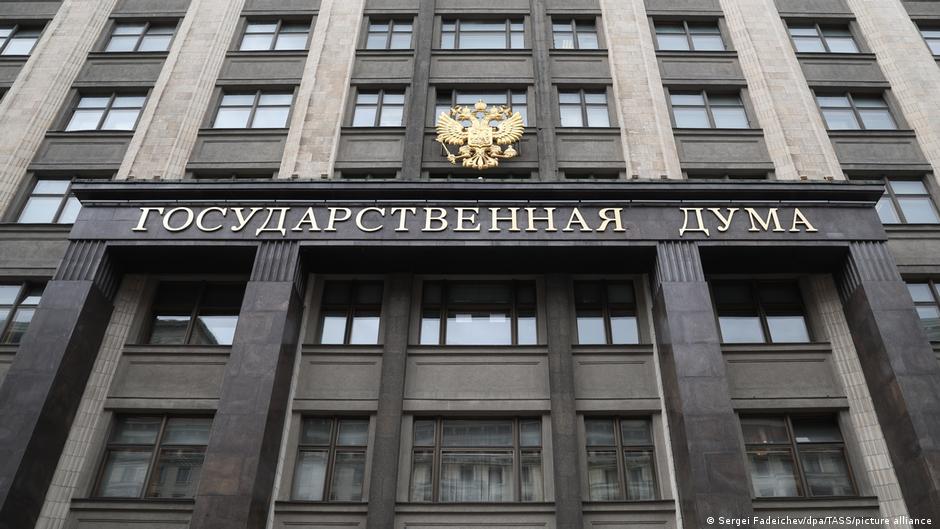
The Russian State Duma has approved a package of amendments to the Tax Code designed to stabilize fuel prices by modifying the fuel dampener mechanism and introducing new rules for exchange sales and compensation for imported diesel fuel.
Published on July 21, the legislation targets price volatility in the domestic fuel market by adjusting the state compensation system that reimburses oil companies for part of their expenses when supplying fuel within Russia. The government expects these changes to increase fuel availability and reduce pricing risks.
Impact on Fuel Market Regulation and Supply Chains
The amendments were developed against the backdrop of government measures aimed at stabilizing the petroleum products market. Earlier initiatives included lowering mandatory gasoline sales quotas on exchanges and restricting petroleum product exports to better satisfy domestic demand.
One key revision broadens the scope of sales considered when calculating mandatory minimum exchange sales quotas. The new rules allow sales accomplished outside the exchange to be factored in, subject to conditions defined later by the government. This flexibility is expected to address sector-specific logistical needs, notably in agriculture.
According to Deputy Finance Minister Alexey Sazanov, the amendments respond to requests from the agricultural sector, facilitating direct contracts between refineries and authorized fuel suppliers for farmers.
This arrangement aims to safeguard supplies to strategic industries without violating mandatory exchange sales requirements.
Additionally, the amendments introduce the possibility of applying the fuel dampener to average distillates—a category of petroleum products similar to diesel—between July 2026 and July 2027, covering certain diesel variants destined for the domestic market.
Crucially, a new compensation mechanism for imported diesel fuel has been established, mirroring the existing framework for gasoline. Importers may receive tax credits on excise duties if imported fuel prices exceed domestic wholesale prices. Compensation payments will be enacted only when export restrictions on diesel and aviation kerosene are simultaneously active in the previous month.
For imported diesel from third countries, the compensation reference is based on prices in the Indian market, including delivery costs to Russian ports. India serves as a price benchmark rather than a mandatory supplier. For imports from Belarus, a higher compensation coefficient of 0.9 applies, making these imports more financially advantageous relative to the general scheme.
Broader Implications for Energy and Startup Ecosystems
The timing of the law coincides with India nearly doubling export duties on diesel and aviation fuel. As one of the world’s largest petroleum product exporters, India accounts for about 6% of global maritime supply, influencing global fuel price dynamics.
State Duma Chairman Vyacheslav Volodin expressed optimism that the legislative changes would soon manifest in increased fuel supplies and stockpiling necessary for market stability. Deputy Prime Minister Alexander Novak highlighted progress driven by export restrictions, production increases, imports, and deferred refinery maintenance schedules.
These regulatory adjustments come amid significant damage to Russian refineries from Ukrainian drone strikes in early 2026, which cut refining capacity by approximately 25%, threatening fuel availability.
For the venture capital and tech startup landscape, these developments signal a tightening but potentially more predictable fuel market environment. Energy startups focusing on fuel logistics, supply chain optimization, or alternative fuels may find new opportunities to innovate given the government's push to stabilize supply and pricing. Additionally, increased governmental involvement in fuel market mechanics suggests a need for technologies that improve transparency, forecasting, and compliance.
Investment in digital solutions that facilitate direct contracts between refineries and sector-specific fuel suppliers could gain traction, especially those serving sectors like agriculture, which require reliable fuel access. Startups operating in energy analytics, trading platforms, or import-export compliance software could also benefit from the evolving regulatory framework.