Ukraine Urges UN Security Council Meeting Amid Russian Attacks on Black Sea Trade Routes
Russian strikes on commercial vessels in the Black Sea threaten global supply chains and exacerbate economic and humanitarian crises.
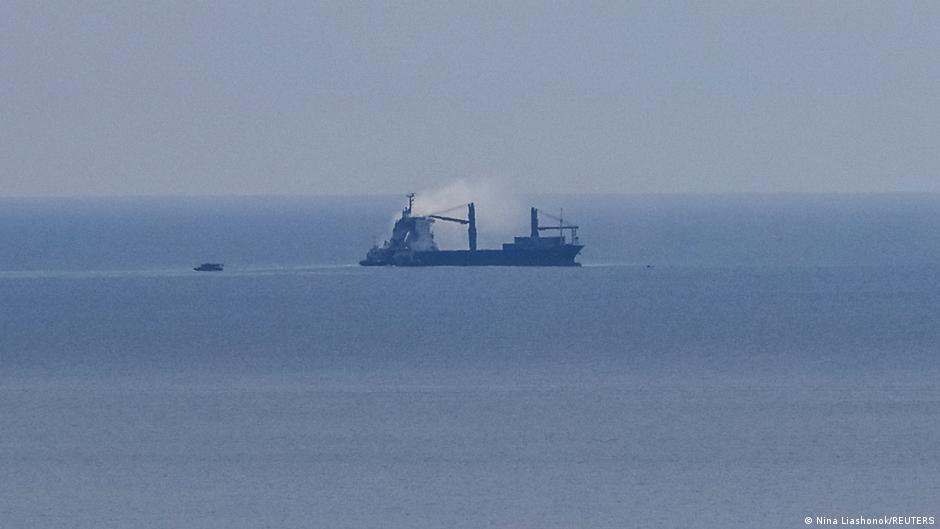
Ukraine has called for an urgent meeting of the United Nations Security Council following a series of attacks by Russia on commercial shipping routes in the Black Sea. Ukrainian Foreign Minister Andriy Sybiha described Russia's actions as "economic and humanitarian terror," warning of widespread disruptions to global food security and market stability.
Implications for Global Trade and the Tech Startup Ecosystem
The Black Sea is a critical corridor for the export of Ukrainian goods, including agricultural products vital to international markets in Africa, Asia, the Middle East, and Latin America. Disruption of these shipping lanes risks triggering price spikes and shortages that could reverberate through global supply chains.
For the technology and startup ecosystem, these events add layers of uncertainty, affecting venture capital (VC) investment patterns and cross-border trade in tech hardware components and software services. The conflict's escalation complicates logistics and increases risk premiums for startups reliant on Eastern European supply chains.
"If this terror continues, millions of families worldwide could face higher prices and hunger," warned Sybiha, underscoring the humanitarian dimension intertwined with economic impacts.
Ukraine's Foreign Minister highlighted ongoing diplomatic efforts to address the crisis. On July 22, Sybiha engaged in discussions with Germany's Foreign Minister Johann Wadephul to coordinate actions aimed at restoring freedom of navigation and strengthening maritime security. They also explored enhancing defense industry cooperation and boosting Ukraine's resilience and European security frameworks.
Similar talks took place with Estonia’s Foreign Minister Margus Tsahkna, reflecting a broader coalition of European partners concerned about the Black Sea's security environment.
The Ukrainian government emphasized that despite attacks, key ports such as the Port of Chornomorsk continue operating normally, maintaining the functionality of Ukrainian maritime corridors essential for exports and fulfillment of international contracts. This is critical not only for the regional economy but also for investors and startups dependent on stable export channels.
According to Sybiha, Russia has targeted at least three civilian cargo ships recently, while Ukrainian drone forces claim to have struck numerous vessels associated with Russian "shadow fleets" in both the Sea of Azov and the Black Sea, signaling an intensification of maritime hostilities.
The ongoing conflict and attacks on shipping routes pose significant risks to the innovation ecosystem in Ukraine and nearby regions. Supply chain interruptions could delay production cycles, hinder access to raw materials and intermediate goods, and reduce investor confidence at a time when Ukrainian tech startups are striving to scale and attract international VC funding.
Moreover, increased geopolitical instability may accelerate mergers and acquisitions activity as startups and larger players seek strategic partnerships to mitigate risks and capitalize on emerging market needs for security and resilience technologies.
In the broader context, the disruption underscores the vulnerability of globalized tech and trade networks to geopolitical conflicts, prompting investors and entrepreneurs to reconsider diversification strategies and the geopolitical footprint of their supply chains.