Russian Petroleum Product Output Drops Nearly 22% in June Amid Geopolitical Strains
Russia's petroleum product production declined sharply in June 2026, signaling growing challenges for the energy sector and downstream industries.
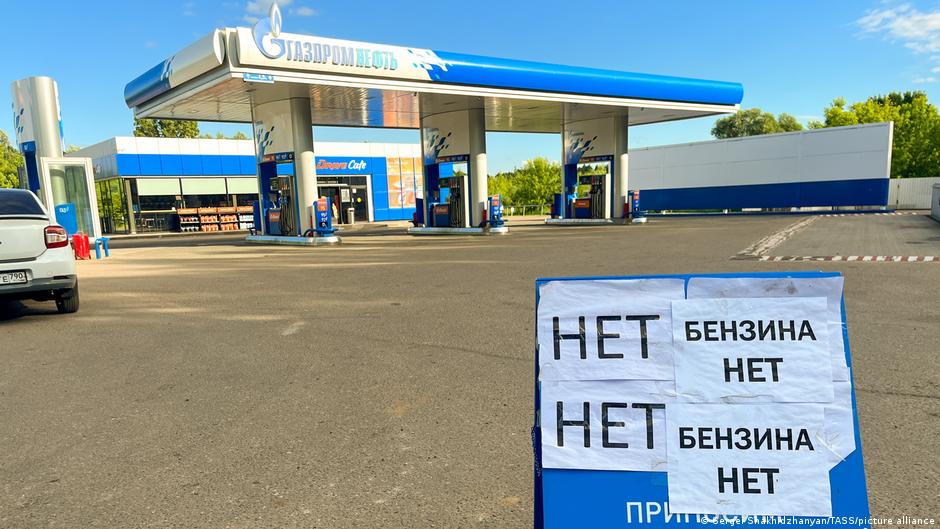
In June 2026, Russia's petroleum product production index plunged by nearly 22% compared to the previous year, marking a significant contraction in the country's vital energy sector. This data was released by the Federal State Statistics Service (Rosstat) on July 22. The indicator reflects a steep decline from May's 13.5% year-over-year drop, underscoring mounting pressures on Russia's oil refining industry amid ongoing geopolitical tensions.
Impact on Russia's Energy and Industrial Landscape
The petroleum product production index is part of the broader industrial production index and is calculated by Rosstat as the ratio of the cost of representative commodity baskets at constant base-year prices, which currently reference 2023. However, raw production volumes in natural units are not publicly disclosed by the Russian government, limiting transparency for market analysts and investors.
The decline coincides with intensified Ukrainian drone strikes targeting Russian oil storage facilities and refineries, which Reuters estimates have disabled approximately 25% of the country's refining capacity either fully or partially. These attacks are viewed as strategic retaliations amidst the ongoing conflict in Ukraine, severely disrupting supply chains and creating fuel shortages in several Russian regions.
Fuel prices in Russia have responded accordingly, though the rate of increase has moderated slightly. According to Rosstat data, in the week ending July 20, gasoline prices rose by 1.7%, down from a 2.3% increase the previous week. Diesel prices also moderated, climbing 1.9% compared to a 3.2% spike in the prior week.
"The market for fuel products has partially stabilized despite ongoing production challenges," officials stated, reflecting tentative government optimism amid supply constraints.
The fuel shortage has forced the introduction of sales restrictions in several regions, impacting logistics, transportation, and industrial operations dependent on petroleum products.
Implications for Tech Startups and Venture Funding in Energy and Logistics
The sharp decline in petroleum product output and resulting supply instability present both challenges and opportunities for Russia’s tech startups and venture capital ecosystem. Energy tech startups focusing on supply chain optimization, alternative fuels, and efficiency technologies could see accelerated demand as traditional fuel supply chains face disruption.
Venture capital investors may be increasingly interested in backing innovations that enhance energy resilience, such as AI-driven logistics platforms, battery and storage solutions, and renewable energy technologies designed to reduce reliance on vulnerable fossil fuel infrastructure. Likewise, startups offering analytics and predictive maintenance tools for critical energy infrastructure might attract heightened attention.
Moreover, the disruptions create potential M&A activity in the energy and logistics sectors, as companies seek to consolidate technologies and capabilities to adapt to the constrained market.
For innovation ecosystems within Russia and potentially in neighboring markets, these developments underscore the urgent need for diversification and agility in energy supply and technology adoption. Startups that can swiftly address gaps in supply chain robustness or introduce alternative energy solutions could play pivotal roles in the evolving landscape.