EU and US Condemn Israeli Minister's Video Showing Detained Activists Amid Gaza Flotilla Incident
Video released by Israeli security minister showing detained pro-Palestinian activists sparks international diplomatic backlash and criticism.
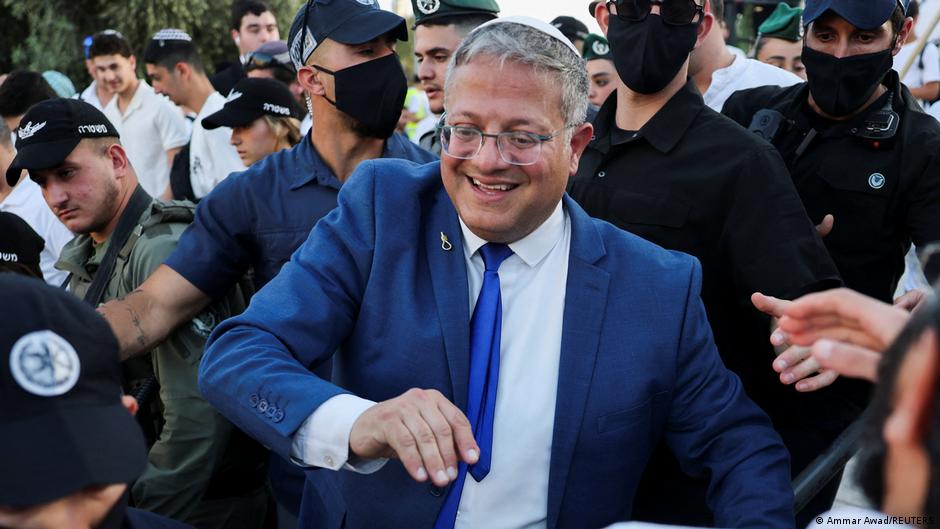
The recent release of a video by Israeli Minister of National Security Itamar Ben-Gvir depicting detained pro-Palestinian activists has ignited sharp international condemnation from the European Union, the United States, and several Western nations. The footage, which shows activists with their hands tied behind their backs and heads bowed, has raised serious concerns about Israel's treatment of detainees during a maritime interception near Gaza.
Diplomatic Fallout and Impact on Regional Stability
The video was shared on the social media platform X, capturing the activists from the "Sumud" flotilla kneeling in the port of Ashdod after being intercepted by Israeli naval forces. In the clip, Ben-Gvir walks among them, waving an Israeli flag and shouting in Hebrew, "Welcome to Israel, we are the masters here." Accompanying the video, the minister described the activists as "supporters of terrorism." This provocation spurred a strong diplomatic response as Italy, France, Canada, the Netherlands, Belgium, and Portugal summoned Israeli ambassadors to register their disapproval. Spain called in the chargé d'affaires due to the absence of an ambassador.
Polish Foreign Minister Radosław Sikorski condemned the treatment of detainees, emphasizing that some appeared to be Polish citizens and stressing that such treatment is unacceptable in democratic societies. He demanded justice and accountability, underscoring the potential impact on international relations and the legal standing of detainees.
"In a democratic world, detainees should never be subjected to cruel treatment or humiliation. We demand justice for our citizens and consequences for such actions," Sikorski stated.
EU spokesperson Anuar El-Anuni labeled the treatment "completely unacceptable" and urged Israel to ensure detainees' safety and dignity in line with international law. EU High Representative for Foreign Affairs and Security Policy Kaja Kallas described the minister’s conduct as "humiliating and unacceptable," condemning it as unbefitting a democratic official.
The US Ambassador to Israel, Mike Herzog, called the flotilla activists’ attempt to breach the blockade a "foolish stunt" but criticized Ben-Gvir for undermining the dignity of the Israeli nation through his actions. Germany's Foreign Minister Johann Wadephul and Ambassador Steffen Seibert echoed strong disapproval, highlighting that such behavior contradicts core shared values.
Within Israel, Foreign Minister Gideon Sa’ar publicly reprimanded Ben-Gvir for causing damage to Israel’s image and negating the efforts of military and diplomatic personnel. Prime Minister Benjamin Netanyahu affirmed Israel’s right to enforce its maritime blockade but stated that Ben-Gvir’s conduct did not align with Israeli values.
Implications for Innovation Ecosystem and Venture Capital
While this incident primarily concerns geopolitical and human rights issues, the broader implications extend into Israel’s tech and startup ecosystem. Israel’s global economic competitiveness is closely tied to its international reputation and stable diplomatic relations, which underpin investor confidence and cross-border collaborations. Diplomatic tensions and negative media portrayals can influence venture capital flows, M&A activity, and strategic partnerships, especially in sectors relying on global market access and talent mobility.
Israel’s technology sector, often dubbed the "Startup Nation," depends on an environment conducive to innovation, openness, and international cooperation. Escalating political controversies and strained relations with key Western allies risk deterring foreign investors and multinational firms engaged in Israeli startups. Moreover, the reputational costs of political actions taken by government officials may lead to increased scrutiny of Israeli companies operating globally, impacting fundraising and exit opportunities.
As venture capitalists and tech enterprises evaluate the geopolitical risks inherent in their investments, incidents like the public humiliation of detained activists create additional layers of uncertainty. This affects not only the direct players but also the broader ecosystem, including accelerators, incubators, and international innovation networks.
Ultimately, preserving Israel’s standing as a hub for technological advancement and venture investment requires balancing security concerns with adherence to democratic principles and respect for human rights, ensuring that political actions do not undermine its innovation-driven economy.