EU Budget Impasse Raises Stakes for Startups, Research and Digital Taxes
European leaders will resume talks in December as proposed cuts and new digital levies reshape the outlook for innovation funding.
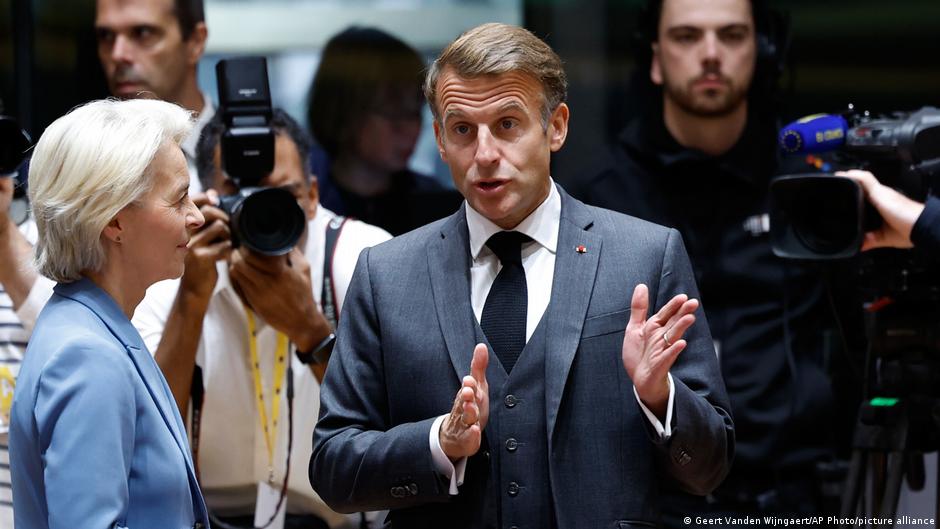
European Union leaders ended the first day of their Brussels summit without an agreement on the bloc’s next seven-year budget, leaving technology startups, research programs and the wider venture capital ecosystem facing further uncertainty over future public funding and regulation.
Negotiations failed to produce a breakthrough and will continue in December, AFP reported early Friday, October 16, citing sources in Germany’s federal government. The dispute centers on the overall size of a long-term spending plan proposed by the European Commission at nearly €2 trillion.
For Europe’s innovation economy, the debate carries consequences beyond the headline budget figure. The areas identified for possible reductions include competitiveness and scientific research, two categories that can influence university commercialization, deep-tech development, startup grants and the public investment programs that frequently support companies before private venture capital is prepared to assume the risk.
Competing fiscal positions divide member states
Several positions collided during what German government sources described as “contradictory debates.” The divisions were already known before the negotiations began. Germany, Austria, Sweden, Denmark, the Netherlands and Finland are calling for greater fiscal restraint, while another group, including France, Spain and Poland, supports a larger EU budget.
Ireland, which holds the rotating presidency of the Council of the EU, has proposed reducing the Commission’s plan by €140 billion, or approximately 8%. Under the Irish proposal, spending would be cut in competitiveness, scientific research, defense and external policy.
For founders and investors, the central question is not only how large the EU budget will be, but which programs will absorb the proposed reductions.
A pullback in competitiveness and research spending could affect the pipeline of technologies moving from laboratories into startups. EU-backed programs also play a role in attracting private capital to research-intensive sectors, where development cycles can be long and financing requirements high. The source did not specify which individual programs would be reduced, leaving the direct impact on startups and venture funds unresolved.
The budget outcome may also shape Europe’s ability to sustain an innovation ecosystem capable of supporting companies through later funding rounds. Public research funding, cross-border initiatives and competitiveness spending can help startups develop intellectual property and enter new markets. Any reduction would therefore be closely watched by venture investors assessing the availability of non-dilutive capital and the prospects for European technology companies to scale.
Digital and crypto levies enter the funding debate
France used the summit to advocate new EU-wide levies that could increase the budget without raising national contributions from member states. The proposed revenue sources include charges on digital services, cryptoassets and online gambling.
Those measures would create a direct connection between the budget negotiations and Europe’s technology sector. Digital platforms, crypto companies and their investors could face additional costs if the proposals advance. At the same time, revenue from the levies could help preserve spending that supports research, competitiveness and other priorities threatened by budget cuts.
The trade-off is significant for the venture market. New charges could weigh on business models and valuations in affected sectors, while a larger common budget could provide more support for innovation elsewhere in the economy. The negotiations have not yet settled either the structure of the proposed levies or the final allocation of spending, making it too early to determine the net effect on startups, funding activity or technology-sector consolidation.
Germany is pushing firmly for a smaller package. Before the negotiations began, Chancellor Friedrich Merz called for the Commission’s proposal to be reduced “substantially.” He also categorically rejected allocating additional money to two traditionally large spending areas: agriculture and cohesion policy.
Austrian Chancellor Christian Stocker said the negotiations could drag on and continue into next year. That prospect would extend uncertainty for companies and investors that use the EU’s longer-term policy direction when planning research projects, fundraising strategies and expansion across member states.
Political calendar adds pressure for a deal
The next EU summit will take place in December. Many of the bloc’s 27 member states want to approve the long-term budget before the end of the year because elections in several countries in 2027 could bring Eurosceptic and populist forces to power.
In France, far-right politician Marine Le Pen could win the presidential election. AFP reported that President Emmanuel Macron has already warned that reaching an EU budget agreement would be “difficult” in that event.
The compressed political timetable adds another layer of risk for Europe’s startup and investment community. A December compromise could clarify the scale of future research and competitiveness funding, as well as the direction of proposed technology-related levies. A prolonged dispute, however, would leave founders, venture funds and potential acquirers waiting longer for visibility on the public financing and regulatory environment that will frame the next seven years of European innovation.