UniCredit Wins ECB Approval to Advance Commerzbank Takeover
The Italian lender can increase its stake beyond 30%, potentially reshaping financing conditions for Germany’s startup and SME ecosystem.
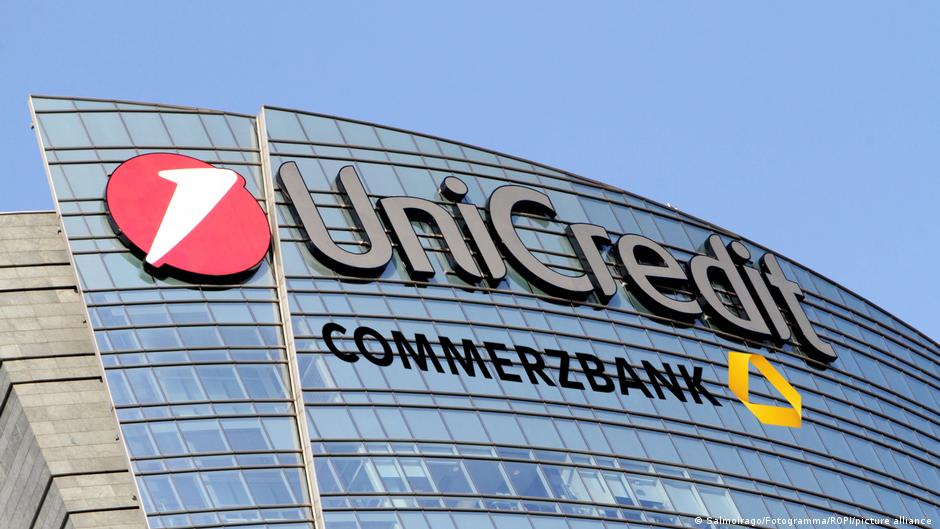
UniCredit has secured approval from the European Central Bank to acquire additional shares in Commerzbank, clearing a decisive regulatory hurdle in the Italian lender’s effort to take control of Germany’s second most important commercial bank.
Representatives of UniCredit announced the ECB’s decision on Thursday, October 15. The authorization allows the bank to cross the threshold of 30% ownership in Commerzbank and subsequently increase its holding without further limits, according to German news agency dpa. In practical terms, the ruling gives UniCredit a path toward a full takeover.
For Europe’s technology and venture capital markets, the prospective transaction matters because Commerzbank is a major provider of financial services to German small and medium-sized enterprises. Those businesses form a significant part of the commercial network surrounding startups, supplying young technology companies with customers, industry partnerships and potential acquisition opportunities.
A New Competitive Landscape for Startup Banking
The transaction is expected to complete the remaining supervisory procedures by the end of the year. By that point, UniCredit is expected to control half of the voting rights represented at Commerzbank’s shareholder meetings, enabling the Italian bank to establish control, dpa reported.
In May, UniCredit offered Commerzbank shareholders 0.485 UniCredit shares for each Commerzbank share they held. Through that exchange proposal, the Italian group obtained access to almost half of the German bank’s shares. Completion of the exchange, however, required authorization from the ECB.
The regulator’s review was therefore the central procedural milestone in the deal. The decision was not considered unexpected because the ECB has repeatedly indicated support for banking consolidation across the eurozone. Such combinations, in the regulator’s view, can reinforce the European Union’s single internal market.
UniCredit said the approval reflected confidence in its “strong position in the European banking sector.”
A combined banking group would bring a major German commercial lender under the control of a larger cross-border European institution. For venture-backed companies, the effects will depend on how UniCredit manages Commerzbank’s existing business relationships and whether integration changes access to lending, transaction services and other financial infrastructure used by growing companies.
The deal is primarily a banking-sector consolidation rather than a technology acquisition. Even so, its scale could influence the wider innovation ecosystem. Startups frequently rely on commercial banks alongside venture investors, particularly for working capital, payments and financial services that support expansion. Changes at a bank deeply connected to Germany’s corporate sector can therefore extend beyond its own shareholders.
German Opposition Focuses on Jobs and SME Services
Commerzbank’s management and employees have previously opposed UniCredit’s takeover plans, as have German authorities. The federal government holds slightly more than 13% of Commerzbank and is seeking to prevent job losses that could result from cost-cutting and optimization measures following an acquisition.
German officials also want Commerzbank to remain a publicly listed company headquartered in Frankfurt and to continue developing services for the country’s small and medium-sized businesses. That demand places the bank’s role in the domestic economy at the center of the dispute over control.
The concern is especially relevant to founders and investors because Germany’s established midsized companies are closely connected to its innovation market. They can serve as early customers for enterprise software, industrial technology and other business-focused products, while also acting as strategic partners or buyers of startups. Maintaining banking services for these companies could help preserve those links even if Commerzbank’s ownership changes.
At the same time, ECB support for consolidation signals a regulatory preference for stronger cross-border banking groups within the eurozone. If the UniCredit-Commerzbank transaction proceeds as planned, it could demonstrate that large European banks can pursue deals across national boundaries despite resistance from governments, employees and local management.
That precedent could have implications for future financial-sector mergers and acquisitions, including transactions involving banks that serve technology companies and investment funds. Larger institutions may have greater geographic reach, while integration can also bring questions about local decision-making, employment and the continuity of specialized services.
The immediate outcome is that UniCredit now has regulatory room to move beyond a minority position and toward control. The remaining supervisory process is expected to run through the end of the year. Attention will then turn to how the Italian bank handles German political opposition and whether it preserves Commerzbank’s Frankfurt base, public listing and focus on the SME customers that underpin much of Germany’s business and startup economy.