Kyiv Power Outages Raise Operational Risks for Ukraine’s Tech Startups
Damage to energy infrastructure in Kyiv and Volyn is renewing concerns about business continuity, investment risk and startup resilience.
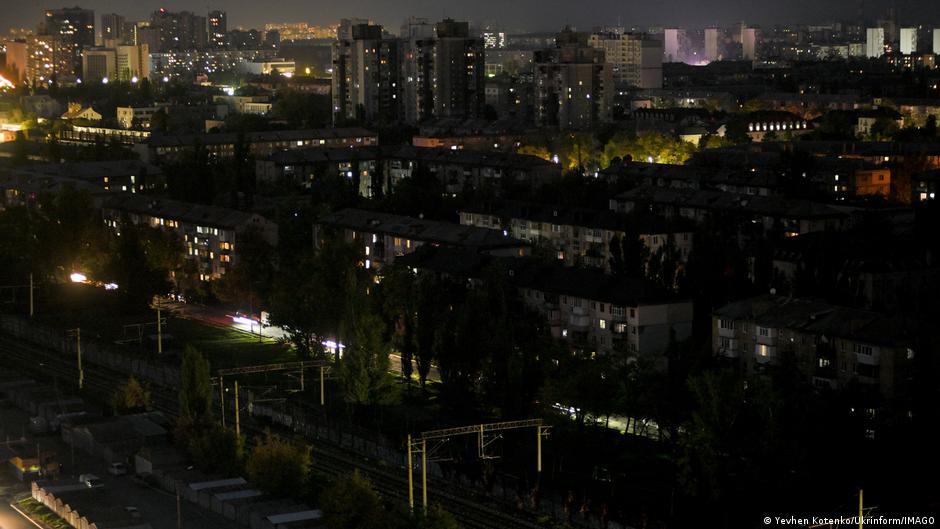
Power and water disruptions in parts of Kyiv and the surrounding region are creating renewed operational uncertainty for Ukraine’s technology startups, investors and potential acquirers after a Russian attack damaged energy infrastructure.
Ukraine’s Energy Ministry and Kyiv Mayor Vitali Klitschko said on Thursday evening, October 15, that electricity had been cut in some districts of the capital and the wider Kyiv region following the strike. Damage to energy facilities also reduced water pressure in parts of Kyiv, according to Klitschko.
“As soon as security conditions permit, crews will promptly begin restoring electricity supplies. Energy workers are doing everything possible to restore power as quickly as possible,” the Energy Ministry said.
The immediate effects extend beyond households and public services. For startups, outages can interrupt internet access, cloud-connected workflows, product development and customer support. Companies with distributed teams or backup power may be better positioned to maintain operations, but prolonged disruptions can still affect employees, suppliers and communications infrastructure.
Business continuity returns to the investment agenda
The outages underscore how physical infrastructure remains a core variable in assessing Ukrainian technology companies. Venture capital firms conducting due diligence may need to examine whether prospective portfolio companies can operate through power, water and connectivity failures, including whether they have geographically distributed teams and dependable contingency arrangements.
Those considerations can influence funding discussions even when a startup’s products and customers are primarily digital. Business continuity affects delivery schedules, revenue predictability and the ability to meet commitments to international clients. It can also shape the terms of financing or M&A negotiations as investors and buyers evaluate operational exposure alongside conventional measures such as growth, margins and product-market fit.
The disruption was not confined to Kyiv. Russian forces also attacked the Volyn region on the evening of October 15. Debris from intercepted drones damaged power lines, causing electricity and water interruptions in Lutsk, the regional capital, according to Roman Romaniuk, head of the regional military administration.
Romaniuk said three jet-powered drones entered Volyn’s airspace during the evening alerts and were shot down by air-defense forces. The resulting infrastructure damage illustrates that successful interception does not eliminate risks to electricity networks or the companies that depend on them.
Energy resilience becomes part of startup infrastructure
For Ukraine’s innovation ecosystem, repeated attacks can make resilience spending an operating necessity. Backup electricity, redundant communications and dispersed staffing can help technology businesses reduce downtime, although these measures may also increase costs and divert capital from hiring, research and market expansion.
The same pressures could affect consolidation. Better-capitalized businesses may be more capable of financing resilient operations, while smaller startups could face greater strain when infrastructure failures coincide with tight funding conditions. Strategic buyers considering Ukrainian assets may therefore place additional weight on continuity planning, geographic exposure and the reliability of critical services.
The wider threat could be substantially more severe. The New York Times, citing an intercepted Russian attack plan that Ukraine presented to European officials in early autumn, reported that Russia had prepared a campaign intended to disable the country’s energy system and cut Kyiv, Kharkiv and Odesa off from electricity, water and heating supplies.
According to the newspaper’s assessment, executing the plan would require about 70 ballistic missiles, 720 long-range drones and 150 guided bombs. The report said Kyiv, Kharkiv and Odesa could lose roughly 90% of their electricity-generation capacity, while heating supplies could fall by 90%. Water and sewage systems could also face serious disruption.
The New York Times reported, citing its sources, that Russia could seek to exploit shortages in Ukraine’s air-defense resources, particularly interceptor missiles for the Patriot air-defense system.
Funding risk extends beyond individual companies
For venture investors, the reported scenario represents a systemic risk rather than a problem isolated to particular founders or business models. Major degradation of electricity, heating and water services across three large cities could affect startup teams simultaneously, weakening the benefits of distributing staff among domestic technology hubs.
It could also complicate acquisitions and cross-border investment by making timelines, integration plans and financial forecasts harder to assess. While the attacks do not change the underlying technical capabilities of Ukrainian founders, they increase the importance of infrastructure resilience in decisions about capital deployment.
The restoration work in Kyiv and Volyn will determine the duration of the latest interruption. For the technology sector, however, the strategic issue is broader: energy security, air defense and the continuity of essential municipal services are increasingly intertwined with the ability of startups to innovate, raise funding and remain credible counterparties for global customers and acquirers.