EU Leaders Prepare for Potential Talks with Russia Amid Geopolitical Tensions
European Union countries coordinate strategy for possible negotiations with Russia, impacting political and economic landscapes including the tech sector.
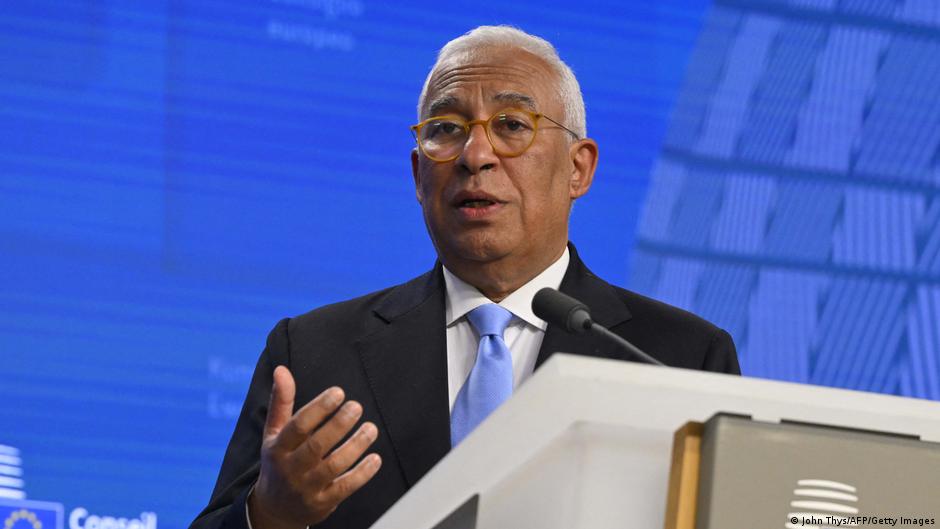
The European Union is actively preparing for the possibility of negotiations with Russia, signaling a cautious but strategic approach to resolving complex geopolitical tensions. Antonio Costa, President of the European Council, revealed ongoing discussions with leaders of the 27 EU member states regarding how to best organize and approach these potential talks.
Implications for the Tech and Innovation Ecosystem
While the immediate context surrounds geopolitical stability, the prospect of EU-Russia negotiations has broader implications for the European technology and startup ecosystem. The ongoing conflict and resulting sanctions have disrupted supply chains, investment flows, and collaborative innovation efforts, particularly in sectors reliant on cross-border cooperation and access to global markets.
EU leaders’ plans to engage Russia diplomatically could pave the way for a more stable economic environment, potentially unlocking renewed venture capital interest and cross-border mergers and acquisitions (M&A) deals within the technology sector. Investors and startups alike are keenly observing how these political developments might influence the availability of funding and the regulatory landscape.
"We are negotiating with leaders of all EU member states to determine the best way to organize ourselves and what exactly needs to be discussed with Russia when the right moment comes," said Costa, underscoring the EU’s strategic and unified approach.
So far, however, signs of Moscow’s readiness to participate effectively in serious discussions remain elusive. Past diplomatic efforts, including an early 2026 visit by French presidential advisers to Moscow, failed to yield constructive outcomes, with Kremlin sources indicating a conditional willingness to engage only if counterparts demonstrate genuine readiness.
From a venture capital perspective, the uncertainty surrounding EU-Russia relations continues to influence risk calculations. The technology sector, which thrives on stability and predictable regulatory environments, has seen cautious investment behavior amid the geopolitical strain. Renewed dialogue could encourage more dynamic investment flows and partnerships, aiding startups facing capital shortages or seeking exits through M&A activities.
Further complicating the landscape is the broader global context, including escalating conflicts in the Middle East that have delayed multilateral negotiations involving Russia, the US, and Ukraine. These geopolitical variables contribute additional layers of unpredictability impacting international funding and cooperation within the tech innovation ecosystem.
Despite these challenges, Ukrainian negotiators express cautious optimism about reaching a peaceful settlement, which could significantly improve the regional environment for economic growth and innovation. Closer coordination within the EU and potential leadership roles in future talks might enhance political stability, thereby indirectly fostering a more favorable climate for startups and venture capital investments.
The coming weeks will be critical as special envoys from the US and Ukraine engage in dialogue, while EU leaders continue to coordinate their approach. For the European tech community and the broader innovation ecosystem, these diplomatic developments could mark the beginning of renewed opportunities amid a complex geopolitical landscape.