European Leaders Engage Ukraine in Diplomatic Talks Amid Renewed Conflict Dynamics
High-level video conference highlights Europe's role in revitalizing peace efforts and strategic security discussions with Ukraine
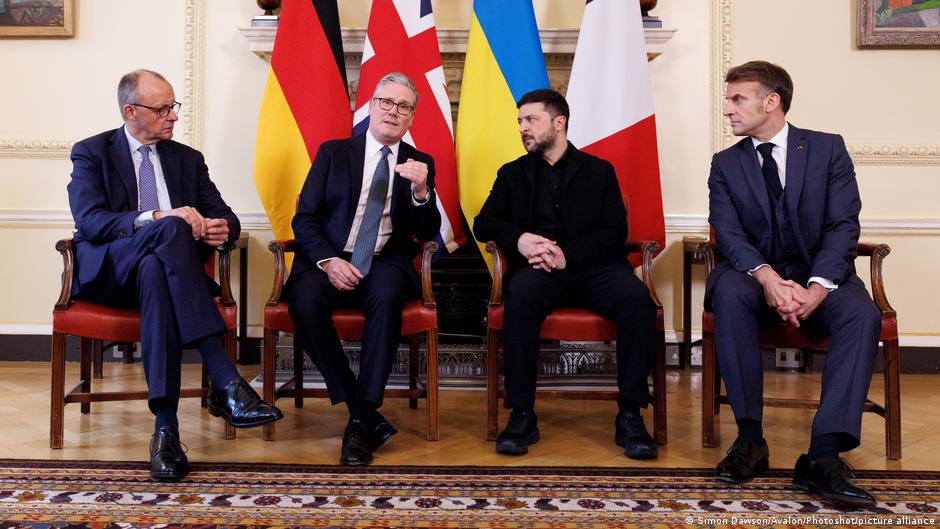
In a significant diplomatic development, Ukraine's President Volodymyr Zelenskyy held a video conference on May 22 with key European allies — German Chancellor Friedrich Merz, French President Emmanuel Macron, and British Prime Minister Keir Starmer — to discuss pathways toward ending the ongoing conflict caused by Russia's aggression.
The meeting centered on the urgent need to "activate diplomacy in the name of peace" with Europe's direct involvement in the negotiation process, as Zelenskyy announced via Telegram. While specific details of the talks were not publicly disclosed, the event marked a renewed effort to break the stalemate in peace negotiations.
Implications for the Tech and Innovation Ecosystem
This diplomatic engagement is particularly salient for the broader Eastern European innovation landscape and venture capital community. Renewed security cooperation and potential de-escalation of hostilities could stabilize the regional environment, fostering more robust VC investment and startup activity. Investors have been cautious due to geopolitical uncertainties, but increased European support for Ukraine's defense and political sovereignty signals a strengthening of the ecosystem's foundation.
Keir Starmer's spokesman confirmed that European support for Ukraine's defense will intensify in the coming months. The unified stance among Germany, France, and the UK underscores the critical importance of countering Russian aggression for Europe's security architecture and global stability. This consensus is likely to reassure international venture capital funds monitoring the region's risk profile.
"All partners note that Ukraine's position is significantly stronger — both on the battlefield and strategically. This strength can drive effective diplomacy," Zelenskyy stated after the conference.
The strategic dialogues also included exchanges about Russia's plans concerning Ukraine, Belarus, and broader European directions, with intelligence coordination among security agencies highlighted as a key tool for informed decision-making. Such transparency and cooperation among allies bode well for a stable environment conducive to innovation and cross-border investment flows.
Notably, these talks mark the first high-level consultations of their kind in some time, signaling a shift in diplomatic momentum. The United States, previously a principal mediator in Ukraine-Russia talks, has been preoccupied with conflict dynamics involving Iran, limiting its direct involvement. European allies stepping more assertively into the negotiation space could reinvigorate stalled peace efforts.
Ukraine's Foreign Minister Andriy Sybiha underscored that the trilateral negotiation format between Ukraine, the US, and Russia is reaching its limits, advocating for broader EU participation or direct leader-level summits, potentially including figures such as Vladimir Putin and Donald Trump. This call reflects a desire for new diplomatic mechanisms that could expedite conflict resolution.
US Secretary of State Marco Rubio echoed these sentiments during a press conference in Prague, emphasizing the lack of progress in ceasefire negotiations and warning against endless, unproductive meetings. The last trilateral meeting was held in February 2026 in Geneva, just before US-Israel military actions against Iran shifted Washington's focus.
For the venture capital and startups sectors, these developments merit close attention. Geopolitical stability is a critical underpinning for market confidence, talent retention, and international partnerships. Europe's proactive engagement could catalyze more predictable conditions, enabling Ukrainian technology startups to attract investment, scale operations, and contribute to the region's innovation ecosystem.
As diplomatic efforts continue, the technology and venture capital communities will be watching how these political dialogues translate into on-the-ground stability and economic opportunity.